Alcohol & Sleep
Wine O'Clock: When a Habit Starts Pouring Itself
By Nora Vale · September 5, 2025 · 8 min read
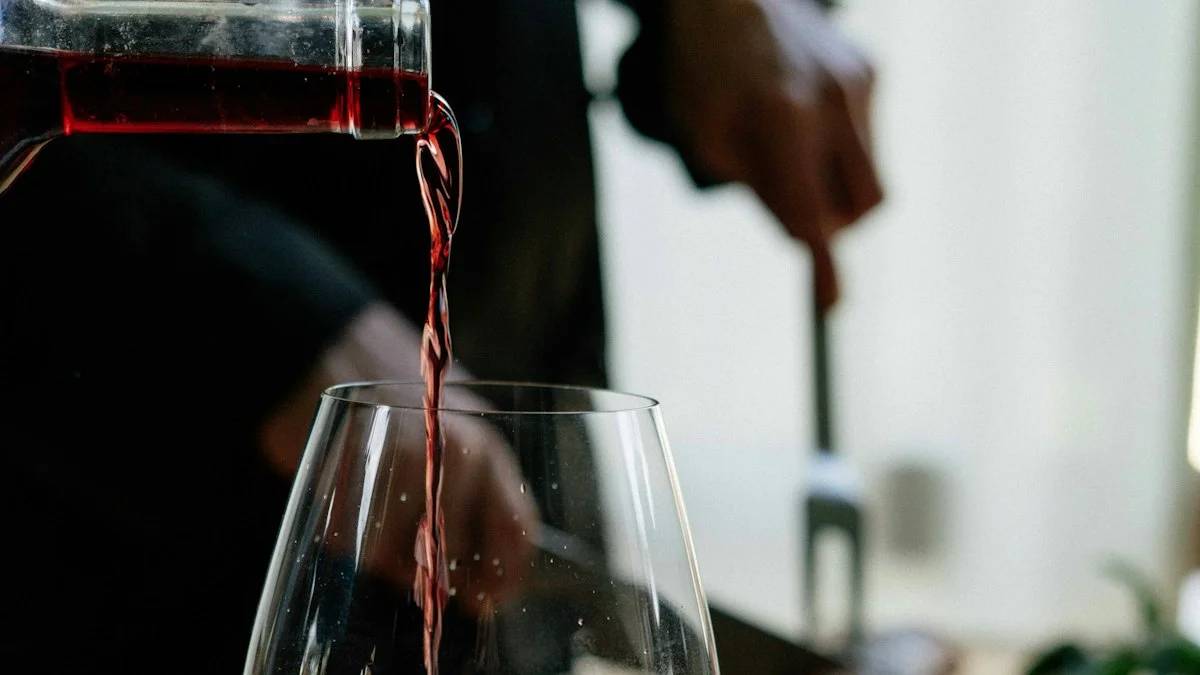
For years my evenings ended the same way: dishes in the rack, house finally quiet, and two glasses of Merlot poured at nine, followed by a face-first arrival into sleep so fast I considered it a personal talent. Falling asleep wasn’t my problem. Waking at 2:40 with a heart like a swallowed drum and skin too hot for blankets was my problem, and for a decade I filed it under everything except the wine.
If your evenings have a wine o’clock, an hour the pour starts by itself whether or not anyone decided anything, this is the post I wish someone had handed me back then. The full biology, and the experiment that finally named my thief, is in my guide to alcohol and sleep. The short version: the wine did exactly what I hired it to do, kept doing it for half the night, and then clocked out around two and left the rest of the shift to somebody dramatically less qualified.
Key takeaways
- Wine genuinely speeds falling asleep. You were sedated, and sedation is not sleep.
- The liver clears alcohol at roughly one drink per hour, so the rebound lands at 2 to 3 a.m. on a schedule that never misses.
- First half deep. Second half wrecked. The first half is rented, not owned.
- A two-week dry experiment with a log reveals the pattern in about nine days.
- Fewer, earlier, with food is a legitimate stair-step. No purity badge required.
The ninety-second talent, explained
The nightcap has outlived every generation that tested it because the visible half of it is true. Alcohol is one of the few everyday substances that reliably shortens the time it takes to fall asleep, and if you’ve ever dropped off faster after a couple of drinks, you weren’t imagining it. “You were sedated. Sedation arrives with a feeling of deep relief that the body files under sleep, and nobody checks the paperwork until the middle of the night.”
Sedation and sleep feel identical from the inside and look identical from the doorway, and they are different things. Sleep is a night shift with staged jobs: deep sleep early handling physical repair, REM later handling memory and emotional filing. Sedation is the shutdown of that operation. The work either goes undone or gets shoved into the small hours, until the sedative thins enough for the doors to open again. You already know the signature from the wedding-couch night: technically unconscious for seven hours, rising the next morning feeling stored rather than rested. Full hours, empty rest. A nightly pour is that wedding in miniature, with better linens and a smaller dose.
The 2:40 timetable
Put a clock on it. The liver clears alcohol at roughly one drink per hour, steady as a metronome and completely indifferent to your plans, so the sedative that switched you off at 10:15 is substantially gone by two. What’s left is the rebound: sleep turns shallow and choppy, awakenings multiply, heart rate runs higher, and the suppressed REM pushes back in as vivid, strange dreams. First half deep. Second half wrecked.
For a standard evening pour the handoff lands between 2 and 3 in the morning, which is why the after-drinking wake time is so eerily consistent, and why it feels so causeless. You experience the wake-up as an event with no history and go looking for the reason in your job, your marriage, the thermostat, your hormones, your age. The reason was poured at ten. It isn’t bad luck. It’s a timetable.
Lisa, an accountant with two steady glasses a night since her mid-thirties, spent years working through perimenopause, work stress, the new mattress, and the neighbor’s motion light. The wine never made the list, because the wine was the one thing in her life that reliably produced sleep. “A suspect with that kind of alibi doesn’t get investigated. It gets thanked.” Her daughter talked her into three dry evenings a week with a log on the fridge, and the pattern appeared in nine days: on wine nights she was up somewhere between 2:20 and 3:00 like a commuter catching the same train, and on the dry nights she slept through. “The 2:40 wasn’t a quirk of Lisa. It was the wine’s schedule, and it had never once missed.”
What one or two glasses actually do
This is the part people argue with hardest, because a glass or two feels culturally innocent, the dose of dinner parties. The research on dose and timing is blunt: more alcohol costs more sleep, later alcohol costs more sleep, and the closer the last drink sits to bedtime, the bigger the bill, with no dose anywhere in the literature where alcohol improves the night’s actual architecture. A 2013 meta-analysis pooled about two dozen alcohol-and-sleep studies and found the same shape at essentially every dose: more slow-wave sleep early, measurably less REM in the first half, and the rebound in the second.
Moderate amounts don’t buy an exemption, they buy a smaller version of the same night. The two-glasses drinker and the six-glasses drinker aren’t having the same night, and I’m not claiming otherwise, but quiet, deniable damage is exactly the kind you blame on your age. Food softens the first half and does nothing about the second: dinner isn’t a shield, and wine with food is gentler, where gentler isn’t harmless.
If the wake-ups you’re chasing come with a racing heart and a mind that won’t re-settle, the mechanics of that hour are in why alcohol wakes you at 3am, and the sleep-stage version is in alcohol and REM sleep.
The experiment that names your thief
The experiment is two weeks long. No evening alcohol for the duration, everything else held as steady as you can manage, because if you simultaneously move dinner, start a bath routine, and dock the phone, you’ll have no idea which lever did the work. The log, any notebook, has a column for drinks sitting right next to the column for night wakes, and that pairing is the entire point, because memory will tell you that you barely drank and barely woke, in the same breath, and be wrong about both.
Expect the second half to improve first: fewer wake-ups, later ones when they do come, mornings that no longer open with a post-mortem. Expect falling asleep to take a few days longer, because the off switch is gone and whatever wind-down habit should replace it hasn’t been built yet. None of that is the experiment failing. It’s the experiment showing you how much of your sleep onset was sedation in a reassuring costume.
If two full weeks sounds like more than you can honestly promise, three dry evenings a week is a legitimate entry, and it was enough for Lisa’s fridge to produce a pattern inside nine days. Move a dry evening rather than canceling it when a birthday lands on it; the pattern tolerates swaps but not gaps. And a null result is possible. If two honest weeks move nothing, alcohol wasn’t your main thief, and an experiment that clears a suspect is still a good experiment.
Keeping the ceremony, firing the chemistry
What took me longest to see was what the drink was actually for. The evening glasses were never really about alcohol, they were a border, the ceremonial last act that told my brain the day had been put away. The wine was doing two jobs at once, chemistry and ceremony, and only one of them was the problem, which is why the fix that held was keeping the ceremony and firing the chemistry. The mug stands in now, taken in the same chair at the same hour, and it draws the border better than the Merlot ever did. The tea itself isn’t sedating anybody; the ritual was the part I actually needed.
The social side gets a straight count: when you skip the drink, the number of comments you actually get is usually zero, occasionally one, and the one is over in four seconds. The 2:40 gets the whole night. Sparkling water in a wine glass heads off most of the commentary before it starts.
And one paragraph is load-bearing. For some people the evening drink is the mechanism that makes the day survivable. If that’s you, say it plainly, without shame, because shame has never helped anyone drink less. The honest next step is a doctor, since sleep and mood run in both directions, and a doctor knows better switches. That sentence isn’t an accusation. It’s the reason this paragraph exists. If you’re rebuilding your evenings more broadly, the pieces in an alcohol-free evening routine slot into the same hour.
I still drink, for the record. The glasses moved to dinnertime, one most nights, dry by eight, and the 2:40s stopped as long as the arrangement holds. Every borrower gets to see the terms: alcohol doesn’t give you sleep, it lends it and charges interest at 3 a.m. The full chapter, experiment templates included, is in Sleep, Finally.
This guide is educational, not medical advice. If drinking feels like the mechanism that gets you through the day, that conversation belongs with a doctor, without shame.
Frequently asked questions
Does wine really help you fall asleep?
It genuinely shortens the time it takes to fall asleep, because alcohol is a sedative. But sedation and sleep are different things. The first half of the night is front-loaded deep sleep, and the second half pays for it, which is why the same glass that dropped you at ten wakes you at 2:40.
Why do I wake up at the same time every night after drinking?
Because the handoff runs on the liver’s schedule. It clears alcohol at roughly one drink per hour, so a pour finished at ten has substantially thinned by two, and the body reacts to the sedative leaving the way it would react to a stimulant arriving. It isn’t bad luck. It’s a timetable.
Is one or two glasses okay?
Smaller dose, smaller damage, same mechanism. Sleep researchers who measure whole nights keep finding fragmentation even at moderate doses. Fewer, earlier, with food is a legitimate stair-step that stands on its own; nobody needs a purity badge.
How do I test whether wine is my thief?
Two weeks without evening alcohol, everything else unchanged, with a log that has a column for drinks next to a column for wake-ups. Expect the second half of the night to improve first, and falling asleep to take a few days longer while the off switch was sedation in a costume.