Waking Up at 3 A.M.
Why Your Heart Races When You Wake at Night
By Nora Vale · May 13, 2026 · 6 min read
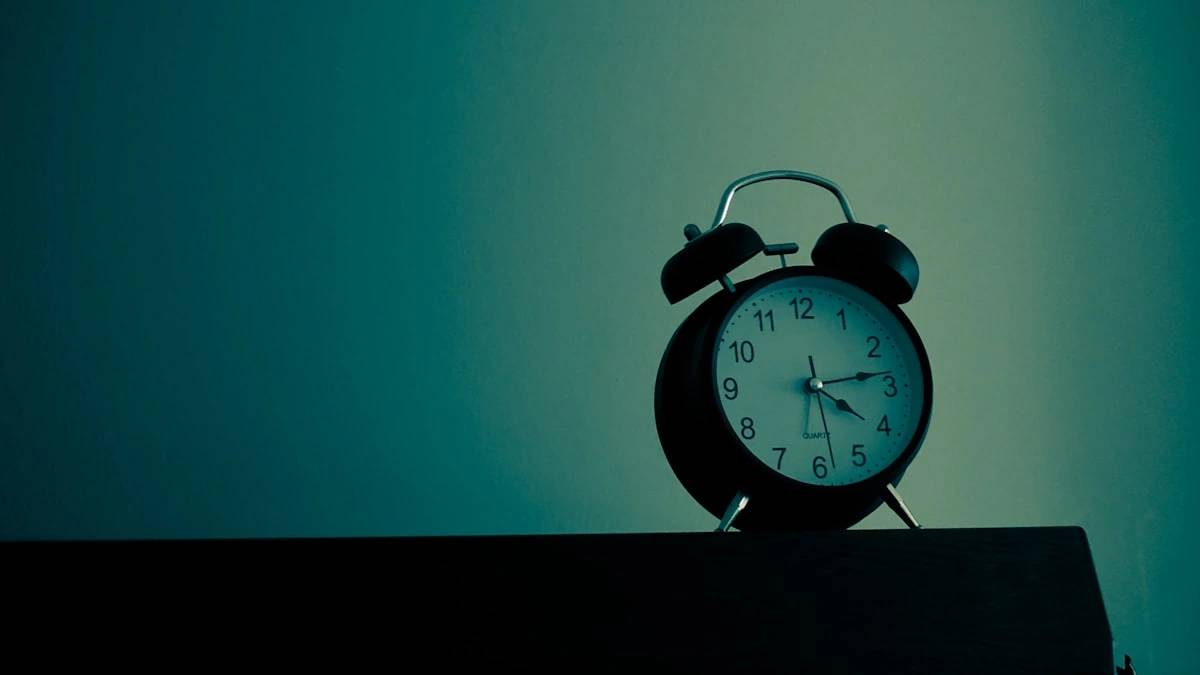
At 2:40, most nights, for the better part of a decade, I woke with a heart like a swallowed drum and skin too hot for blankets. The wine glass was standing three rooms away, innocent as a museum piece, and I concluded, reasonably, that I woke up for no reason at all. The evidence never testified. It happened while I was out.
That’s the first thing to know about a racing heart at night: it almost always arrives with a history, and the history is usually invisible from inside the waking. This post walks the suspects in order of how often they turn out to be guilty. The full protocol for the hour they strike lives in the waking up at 3am guide.
Key takeaways
- The 2:40 pounding heart is usually the alcohol handoff: the rebound as the sedative leaves, arriving with arousal, warm skin, and a fast pulse.
- Reflux, cortisol, a warm room, and plain anxiety are the other common suspects, and each has a cheap test.
- A brief pounding on waking is usually ordinary, but snoring pauses with gasping, or any new and frequent heart symptom, belongs with a doctor.
Suspect one: the handoff at 2 a.m.
This is the cause I ignored longest, so it goes first. Alcohol is a sedative, and it drops you into a heavy, dreamless stretch you won’t remember. “Then the invoice arrives. As your body clears the alcohol, usually three or four hours after the last drink, sleep fragments, REM gets shoved around, snoring gets louder, and a great many people snap awake near 2 or 3 with a racing heart and skin that feels strangely warm.”
The mechanism explains the specific flavor of this waking. A last drink at 10:30 spends its sedative hours early, and as blood alcohol falls, the body reacts to the sedative leaving much the way it would react to a stimulant arriving, with arousal, warmer skin, a faster pulse, and a brain that surfaces and decides to stay up. Ordinary wakings between cycles are brief and forgettable; this one arrives with the pulse already up and the skin already hot, which the 3 a.m. brain reads as danger and answers with a full inventory of everything that might be going wrong in your life. That inventory feels urgent. None of it is the reason you’re awake.
The test costs nothing. If your pounding-heart nights cluster after drinking evenings, cut the evening drink for two weeks and watch the log. The pattern usually appears in days. I did this for years, sincerely auditing my entire life for the source of the adrenaline, and it never once occurred to me that the source was sitting in the drying rack next to the dishes. More of that anatomy in why alcohol wakes you at 3am.
Suspect two: the stomach that set the alarm
Here’s the suspect nobody books, because it doesn’t announce itself as burning. Stomach acid meeting the esophagus at 1 a.m. sometimes feels like a cough, a sour taste, a scratchy throat, “or a sudden full waking with your heart thudding for no reason you can name.” People spend years treating the symptoms at the wrong end of the problem.
If your heart-racing wakings come after late or large dinners, dinner time is a legitimate suspect, and testing it costs nothing: move the meal three hours earlier, watch three nights. The evidence usually speaks for itself. The usual aggravators are spicy and acidic food, fried and fatty meals, and two unfair entries, chocolate and mint, which relax the valve that keeps acid down. The full ledger is in does late night snacking affect your wind down.
Suspect three: the cortisol wave meeting your worry
The third suspect is chemistry on a schedule. Cortisol, the alertness hormone, begins climbing around 2 or 3 a.m. toward its morning peak, so your body is already drifting toward the exit without consulting you. A waking that lands after 2 arrives with alertness chemistry already loose in the blood, and whatever worry it finds gets performed on a stage with excellent acoustics. The pounding heart and the racing thoughts arrive together because they’re the same event read by two organs.
That’s the machinery. Nothing in it starts with you being flawed. The trap is treating the waking as a problem to be solved on the spot, because the solving is what keeps you up. You check for reassurance and get a bill instead. The blunt version that worked for me: refuse the argument, refuse the inventory, and save the thinking for a version of you that’s had some sleep.
What to do in the minute itself
The waking needs a script, decided in daylight, because 3 a.m. you has less judgment than 2 p.m. you. No clock: turn the display away tonight, because time math fuels arousal and the math is always the same flavor, hours left, hours gone, tomorrow mortgaged minute by minute. No phone: it’s a light source aimed at your face during the shallow half of the night, a feed engineered to be more interesting than sleep, and a job, all in one rectangle.
Then the estimate, not a timer. If you’re still awake past roughly fifteen to twenty minutes, get up and do something dim and boring somewhere else, a paper book under the dimmest lamp in the house, and come back only when your eyes start to drag. Hopeful doesn’t count as sleepy. The bed you return to should feel slightly boring, and boring is the win: it means the waking stayed small.
Slow breathing earns its minute here too, because the long exhale is an arousal dial, not a sedative. Two inhales through the nose, the second a small top-up, then one long slow exhale through the mouth, longer than both inhales combined. A few rounds in the dark won’t knock you out. It turns the dial your body is currently slamming.
The flag you shouldn’t talk yourself out of
Now the honest border, said once and without drama. A brief racing heart on waking is common and usually ordinary, and I’m not going to pretend a blog can sort anyone’s heart by symptom. But one pattern in this territory deserves a doctor directly, and it’s the one witnesses describe: loud chronic snoring with pauses, ten seconds, twenty, then a gasp as breathing slams back on. Untreated apnea strains the heart and pushes up blood pressure, night after night for years. If your partner hears the pauses, or you wake with morning headaches and coffee that never lands, that trio deserves an appointment, not a sleep-hygiene audit.
The same goes for any heart symptom that’s new, frequent, or paired with chest pain or shortness of breath. Making that call is a sleep skill like any other, and the seven-day log travels well. More on the flags in signs of sleep apnea, and on the 2:40 waking specifically in why do i wake up at 3am every night. The full system, including the 3 a.m. protocol, is laid out in Quiet Core Reset.
Frequently asked questions
Why does my heart race when I wake up at night?
The usual suspects, in order: the alcohol handoff, the rebound as the sedative clears three to four hours after a last drink; reflux triggering a full waking with your heart thudding; the cortisol wave meeting whatever worry it finds; and a room too warm to let your body cool. Each has a cheap test, and the waking almost always arrives with a history you couldn’t see from inside it.
Is a racing heart at night dangerous?
A brief pounding on waking is common and usually harmless, but it isn’t something to self-diagnose from a blog. If it’s new, frequent, paired with chest pain or shortness of breath, or simply worries you, that’s a doctor conversation. The one pattern that clearly deserves an appointment is snoring with witnessed pauses and gasps.
Why does the racing heart come with hot skin?
Because the rebound to a sedative leaving arrives as arousal: warmer skin, a faster pulse, and a brain that surfaces and decides to stay up. That’s the 2:40 handoff, and it’s predictable biology rather than bad luck. The skin and the pulse are the same event, not two problems.
What should I do when I wake with my heart pounding?
No clock, no phone, no solving. Let the waking stay small, breathe with long slow exhales if it helps, and if you’re still awake after an estimated twenty minutes, get up and do something dim and boring somewhere else until you’re truly sleepy. The bed you return to should feel slightly boring. That’s the win.
When is a racing heart at night a red flag?
When snoring comes with pauses and gasps a partner has witnessed, when morning headaches and coffee that doesn’t land ride along, or when the heart symptoms are new and frequent. Any of those belongs with a doctor directly, with a seven-day log in hand rather than an apology.
This guide is educational, not medical advice. Nothing here diagnoses a heart or a sleep disorder. New or frequent symptoms belong with a doctor, and the pauses-and-gasps trio deserves one without delay.