Sleep Red Flags & Help
Sleep Paralysis Red Flag: When Episodes Deserve a Doctor
By Nora Vale · September 1, 2026 · 7 min read

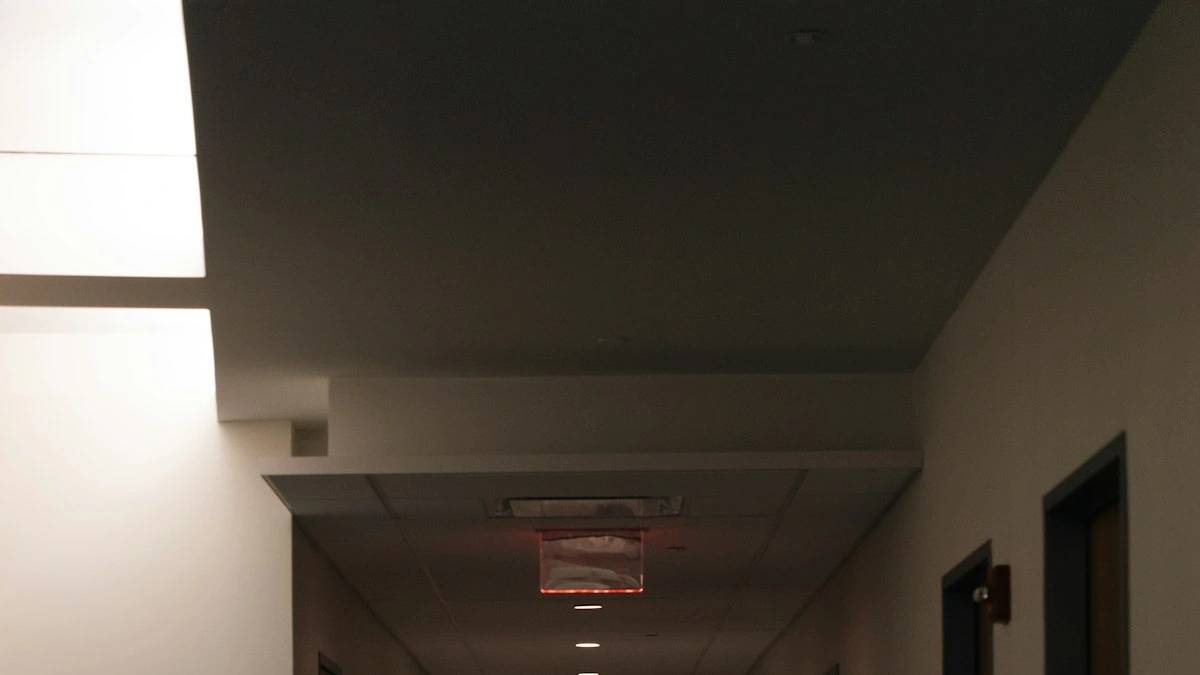
You wake at 3 a.m. and the room is exactly right, the hallway light under the door, the jacket on the chair, the clock you can almost read. Your mind is fully on. Your body has stopped taking calls. You try to lift an arm and nothing answers, something seems to press on your chest, and for a few long seconds the whole arrangement reads as something out of a horror film. Then, all at once, movement comes back, your heart is slamming, and the room is just a room again.
That’s sleep paralysis, and if it has happened to you, I want to say the boring true thing first: it’s common, it’s frightening, and a single episode is almost always an ordinary glitch rather than a medical event. This post sits inside a larger look at the signals worth taking seriously in the sleep red flags guide, where the house rule is that we describe patterns, name the doors, and leave the verdicts to people with licenses.
Key takeaways
- Sleep paralysis is the dreaming stage’s normal muscle shutdown lasting a few seconds past the moment your mind wakes up. Frightening, usually harmless, usually a one-time visitor.
- One episode, especially after short or badly timed sleep, is a glitch, not a diagnosis.
- The sleep paralysis red flag is frequency plus company: episodes recurring for weeks, unexplained daytime sleepiness, or paralysis stacked with loud snoring, gasping, or morning headaches.
- Sleep deprivation is the most common accelerant, so the boring basics often shrink episodes as a side effect.
- If the pattern keeps landing, a doctor visit with two weeks of notes is reasonable, not dramatic.
What sleep paralysis actually is
During the dreaming stage of sleep, your brain switches most of your muscles off so you don’t physically act out your dreams. Sleep paralysis is what happens when the schedule slips: your mind comes back online while that shutdown is still running. You’re awake inside a body that is still parked. Episodes typically last seconds to a couple of minutes and end on their own, often the moment you manage some small movement or someone touches your shoulder.
My own episode came on a friend’s couch at twenty-two, after a red-eye and a day of caffeine I’ll charitably call experimental. I woke up convinced the apartment had a visitor, managed to wiggle one finger, and then the whole thing released. At the time I thought something was wrong with me. It turns out I had simply handed my brain the exact ingredients that produce the experience: a badly shifted night, a body fighting jet lag, and sleep pressure everywhere. That’s the pattern sleep medicine describes for most one-off episodes, and it’s why they cluster after travel, exam weeks, night shifts, and new babies.
The sleep paralysis red flag is frequency, not fear
Here’s the line I’d draw, knowing I can’t examine anyone. One episode, or one every few months around obvious sleep chaos, is noise. Episodes that recur for weeks, show up when your sleep was actually fine, or come with daytime sleepiness you can’t explain are a pattern, and patterns are what appointments are for.
The daytime part deserves its own sentence, because it separates ordinary tired from something else. There’s a difference between tired and ambushed, and the ambush is the flag. If you’re sleeping a real seven hours and still losing fights with sleep at your desk, in conversations, or at red lights, that combination has its own appointment, promptly, and it doesn’t matter whether paralysis came along for the ride or not.
Why does frequency point anywhere at all? Because anything that repeatedly shreds sleep quality can multiply episodes, and the most common shredder that hides is apnea. The book I write from doesn’t cover sleep paralysis, so I’m mapping its method onto it, and the method says look for the snore with pauses in it. The description sleep medicine uses is “pauses in the snoring, ten seconds, twenty, then a gasp or a snort as breathing slams back on”. If that describes you or the person next to you, read the signs of sleep apnea post, because the snoring that stops and starts is the detail partners notice first.
When it stacks with other flags
One flag alone can be ordinary. The concern is the stack. Sleep paralysis plus witnessed pauses and gasping, plus waking unrefreshed with a morning headache, plus coffee that never lands, is the combination worth saying out loud in an appointment. The American Academy of Sleep Medicine estimates that around thirty million US adults have obstructive sleep apnea, and that roughly eighty percent of them have never been diagnosed, and I bring that up not to scare you but to explain why clinics take stacked evidence seriously. As the book puts it, “Any one piece alone can be ordinary. The trio deserves a doctor.”
I’ve sat across from too many people who spent years collecting exactly this kind of evidence and filing it under personal failure. The book’s line for that situation is “an untreated condition sits underneath their nights like a rock under a mattress, and no routine out-argues it”. Frank, the man two doors down from the book’s pages, was dozing over crosswords and waking with headaches for a decade before one list turned it around, and his verdict afterwards was simple: “He hadn’t been lazy. Suffocating politely, eight hours a night.”
What you can do in the moment and after
In the episode itself, your job is smaller than it feels. Slow your breathing, because panic is the part that makes the minutes feel enormous. Try moving one fingertip, a toe, your eyes. Small switches sometimes flip the body back online, and even when they don’t, the episode ends by itself in seconds to minutes. If you sleep near someone, a noise or a nudge often breaks it, which is worth telling your partner about in daylight, along with the fact that you might look awake while it’s happening.
Afterwards, treat the episode as information about sleep pressure rather than a haunting. The basics that fix a hundred other problems fix this one too: hold “One fixed wake time, seven days a week, within about an hour”, get real morning light, keep caffeine early, and stop scheduling your own deprivation, because a brain run short all week will pay for it in exactly these ugly currencies at 3 a.m. If an episode leaves you rattled and wide awake, the moves for getting back to sleep after a nightmare apply almost word for word, and I’ve written them in how to fall back asleep after a nightmare.
The honest limits of this post
Two limits, stated plainly, because this cluster runs on them. First, the book I write from never mentions sleep paralysis, so nothing above is a quote from its chapters; you’re reading my mapping of its method, which is evidence-gathering and doctor-handoff, onto a topic it skipped. Second, I’m not a doctor, and the book says it better than I can: “I’m not a doctor, I can’t examine you, and nothing here diagnoses anyone.” What any of this can do is turn “weird thing that keeps happening to me” into material a clinician can sort in minutes. “Recognition is not diagnosis. It’s a door. Doors are my department.”
There’s also a research limit nobody on the internet advertises: most of what’s known describes groups of people, and groups don’t predict individuals. Plenty of people with recurrent episodes get no diagnosis at all, and plenty of frightening one-offs get none either. “Making the appointment is not the failure.” Grinding through months of episodes with your own notes sitting unused, that’s the failure, and it’s an information problem, not a character one.
Frequently asked questions
Is one episode of sleep paralysis dangerous?
Almost never. It’s your mind waking a few seconds before your body exits the temporary paralysis of the dreaming stage. Frightening, harmless in itself, and treated by sleep clinics as an ordinary complaint when it happens once, especially after short or shifted sleep.
How often is sleep paralysis a red flag?
Frequency is the honest line. A one-off is noise. Episodes recurring for weeks, clustering in the second half of the night, or arriving with heavy daytime sleepiness are worth describing to a doctor, together with every other flag you’ve noticed, because the combination is the evidence.
Can sleep paralysis mean something serious?
Sometimes it travels with conditions that need care, untreated apnea among them, since anything that shreds sleep quality can multiply episodes. That’s a possibility for a doctor to check, not a conclusion to draw at 3 a.m. Most people who look this up never receive any diagnosis at all.
How do you get out of an episode faster?
You can’t always switch it off, but you can shrink the panic. Slow the breathing, then try one fingertip or a toe, small movements that sometimes flip the body back online. Remind yourself it fades in seconds to minutes, because fear is the part that makes episodes feel endless.
What should I bring to the doctor about sleep paralysis?
Dates and counts, not vibes: two weeks of notes on when episodes happened, how much you had slept, and how the next day went. Add anything a partner witnessed overnight. Doctors work in minutes. Evidence respects their time, and it makes you the easiest useful patient they’ll see.
This guide is educational, not medical advice. If episodes keep landing, or daytime sleepiness is running your days, a doctor is the right door, and your notes are the ticket in.
The full red-flag chapter, the seven-day log, and the appointment script are in Sleep, Finally. Make the call. Bring the seven days.