Waking Up at 3 A.M.
Mistakes That Turn One Waking Into a Long Night
By Nora Vale · July 13, 2026 · 7 min read

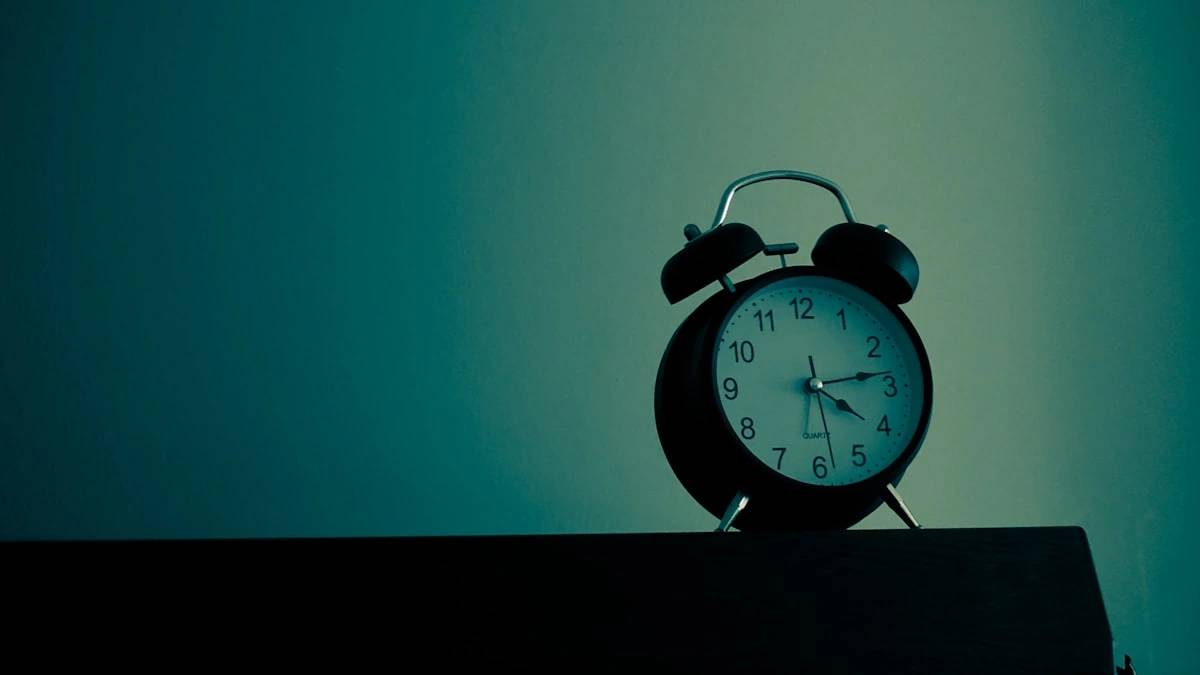
The whole drama happened in about ninety seconds, which is the part nobody believes until they’ve tracked it. I surfaced at 2:50 the way I do most nights, and then came the fork: I looked at the clock. Four hours and forty minutes until the alarm, said the display, and by 3:20 I had reviewed a budget, rehearsed two difficult conversations, and built a case that I’d never again sleep properly, supported by evidence from three separate decades. One waking long night is almost always built that way, not by the waking but by the ninety seconds after it, and every fork in those ninety seconds has a better move. The full anatomy of the hour is in the waking up at 3am guide.
Key takeaways
- Waking at night is normal; staying awake at night is optional, and the difference is what happens at the fork.
- The clock check, the phone grab, and the 3 a.m. problem-solving session are the three mistakes that do most of the damage.
- Staying in bed awake and frustrated trains the bed to mean alertness, which is the mistake that compounds.
- The boring response wins every time: no clock, no solving, and out of bed past twenty minutes.
First, the waking itself is innocent
Start with the part that took me years to believe, because every mistake downstream depends on it. Waking at night is standard equipment. A night runs four to six cycles of about ninety minutes, and you surface briefly between them; most surfacings last under three minutes and get forgotten by morning. You were never a bad sleeper. You were a sleeper who started remembering the wake-ups, and the remembering is where all the trouble lives.
The 3 a.m. version feels worse for mechanical reasons, not mystical ones. Deep sleep is already banked by then, so the night’s second half is lighter and REM-heavy, easy to surface from and easy to think in. Three in the morning isn’t cursed. It’s the shallow end of the pool. Add the cortisol that’s already climbing toward its morning peak, and the surfacing arrives with a slightly elevated heart rate and a mind that’s, regrettably, fully online.
That’s the raw material. On a good night, the raw material rolls over and dissolves, and by morning it never happened. On a long night, something in the first minutes grabs it, and the grabbing has a short, learnable list.
Mistake one: the clock check
The clock check is the classic, and it deserves its reputation. You check for reassurance and get a bill instead. The display doesn’t offer comfort; it offers arithmetic, four hours and forty minutes, and the arithmetic is a task, and a task at 3 a.m. is arousal. Worse, the number gets recalculated every time you glance again, each glance reporting a shrinking remainder, which means the clock turns your own night into a countdown and gives your mind something to dread on schedule.
Time math also opens the door to forecasting, which is where nights get genuinely long. Four hours becomes the projection of tomorrow: ruined, sluggish, caffeine-dependent, and the projection feels like planning but runs on dread. The dread always quotes a worse day than the one that actually shows up, which you’d know if you’d logged a few of these, and there’s a whole post about surviving that day in how to survive the day after a bad night.
The fix is unglamorous and total: no clocks in sight from the bedroom. Turn the phone display down, cover the glowing one, and if your phone is your alarm, there’s a plain argument in phone as alarm clock problem for why a ten-dollar clock pays for itself in the first week. You can’t do time math on a time you don’t know, and not knowing is the whole trick.
Mistake two: the phone grab
If the clock check opens the door, the phone walks through it carrying everything. The phone in your hand at 3 a.m. is three problems in one rectangle: a light source aimed at your face during the shallow half of the night, a feed engineered to be more interesting than sleep, and a job. The light tells your body clock that morning has started, which is chemically false but the clock doesn’t argue. The feed hands the fully-online mind exactly the stimulation it doesn’t need. And the inbox converts the waking into a night shift, unpaid, horizontal, and supervised by whoever happens to be posting.
I know the rationalization, because I’ve run it myself: just checking the time, just one quick look. The quick look has never once in recorded history been quick, because the device is designed by thousands of engineers whose bonuses depended on that look not ending. The fix lives outside the night: phone charges somewhere that isn’t the nightstand, decided at nine in the evening by a version of you with better judgment, and the full arrangement is in should i charge my phone outside the bedroom.
Mistake three: staying in bed to fight
This is the mistake that compounds, because the other two cost you a night and this one costs you weeks. Here’s the sequence: you wake, you lie there, you get frustrated, you try harder to sleep, and the trying is precisely what keeps you awake. Effort is arousal, and a bed where effort happens nightly becomes, by association, a place where effort happens. The bed becomes a cue for alertness the way a dentist’s chair is a cue for dread before anyone turns the drill on. You can verify the mechanism on any couch: insomniacs fall asleep on couches at eleven and lie rigid in beds at midnight, same brain, same exhaustion, different room, because the couch asks nothing.
The counterintuitive fix is the twenty-minute rule. Estimate, don’t measure, about twenty minutes of lying awake. If you’re still clearly awake, get up. Something genuinely boring somewhere genuinely dim, a paperback under the darkest lamp, folding laundry, a crossword in pencil, until your eyes start closing on their own, then go back. Hopeful doesn’t count as sleepy. The bed stays honest, and an honest bed is the asset this whole method protects.
The instructions sound cold and the first week of following them feels like defeat, more time awake, more standing in a dim kitchen feeling absurd. That’s the method being honest about its price, and it’s a known price: the first week or two run worse before the association relearns itself. There’s a full walkthrough of the method in what is stimulus control.
The fork, in one place
Since the whole drama fits in ninety seconds, here it is as a list you can run at 3 a.m. without reading anything. Wake up. Don’t check the time. Don’t take the phone. Don’t try to solve anything, because a brain at 3 a.m. catastrophizes and its conclusions are drafts, not decisions. If sleep is clearly gone, get up after about twenty minutes and be boring somewhere dim until your eyes are heavy. Return. If the waking comes back, run it again, without drama; getting up twice in one night is normal, and neither one means the method is failing.
The honest limits close the post, because this one gets read at the hour it describes. If the long nights run three or more nights a week for three months with a daytime cost, that’s the threshold where a doctor and CBT-I belong, and there’s a plain guide to what is CBT-I. If the wakings come with snoring that pauses and gasps, the list in signs of sleep apnea is worth ten minutes. For everything else, the mistake that matters most is believing the night is telling you something. It isn’t. It’s just the shallow end, and the ninety seconds after the surfacing is where you decide what kind of night this is.
This guide is educational, not medical advice. If sleep trouble persists most nights for months, a doctor is the right door, not a stricter method.
The full system behind this post, stimulus control and the honest limits of self-help, is in the book.
Frequently asked questions
Why does a short night waking sometimes become hours awake?
Because of the first minutes, not the waking. Waking between cycles is normal equipment; the surfacing becomes a long night when something feeds it, usually the clock’s arithmetic, the phone’s light and feed, or an attempt to solve a problem with a brain that catastrophizes at that hour.
Should I check the time when I wake at night?
No. You check for reassurance and get a bill instead. The remaining-hours math is itself a task, tasks are arousal, and each re-check shrinks the number and feeds the dread. Cover the clock, move the phone, and let the night be unmeasured; not knowing the time is the trick.
How long should I lie in bed before getting up?
About twenty minutes, estimated rather than measured. If you’re still clearly awake past that, get up and do something dim and boring elsewhere until your eyes are heavy, then return. Hopeful doesn’t count as sleepy, and protecting the bed-means-sleep association matters more than the minutes of sleep that night.
Is it bad to try to problem-solve during a night waking?
In practice, yes. The 3 a.m. brain elaborates freely and lacks its daytime reality checks, so its conclusions are drafts, not decisions, and the solving effort itself is arousing. Give night problems office hours instead: a worry page in the early evening converts open loops into appointments the brain will trust.
When is a night waking pattern a medical issue?
When wakings run three or more nights a week for three months with a daytime cost, that’s chronic insomnia by the standard threshold, and CBT-I is the first-line treatment. Loud snoring with pauses and gasps is a flag for apnea at any frequency. Both are doctor conversations, not routine upgrades.