Stress & Cortisol
How to Stop Jaw Clenching and Night Grinding
By Nora Vale · August 17, 2025 · 7 min read

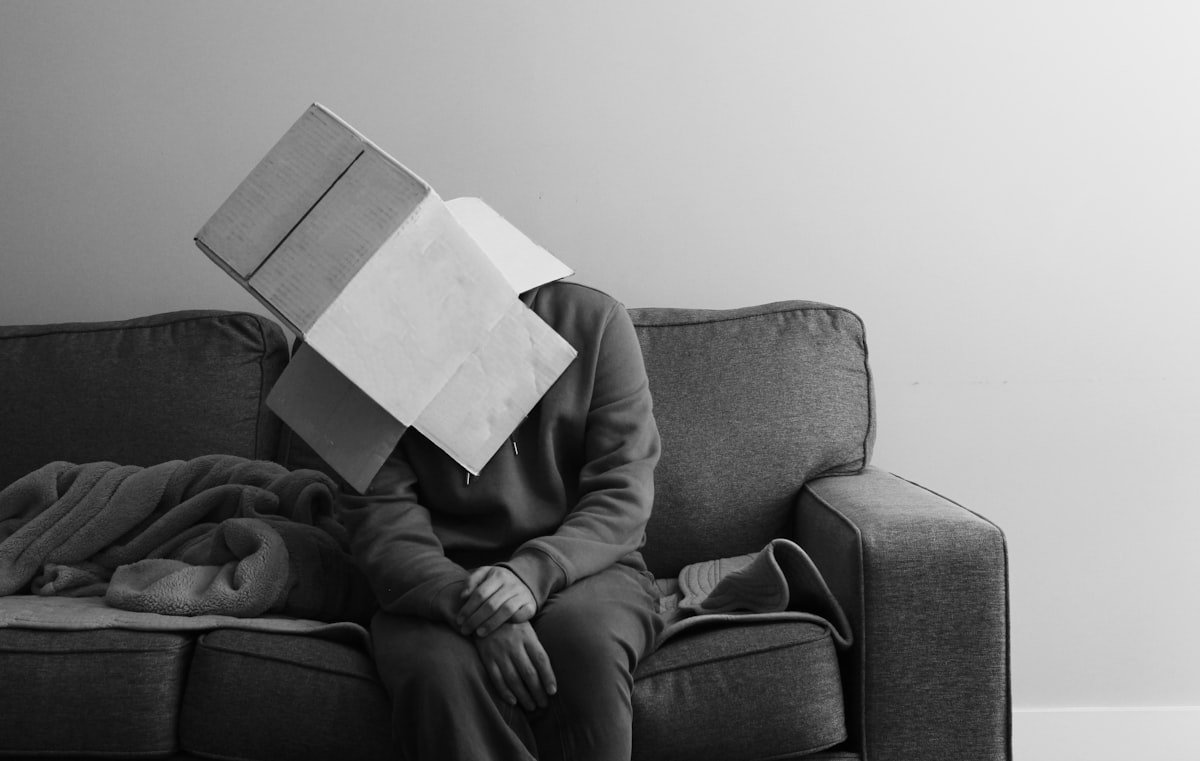
You notice it at 9 p.m., standing at the sink: the jaw is set like a door hinge, and it has been for an hour. Nobody assigned the jaw that shift. It took the work itself, quietly, the same way it will take it again at 2 a.m. when your partner mentions the grinding sound from the other side of the mattress. To stop jaw clenching, the useful question isn’t what’s wrong with your jaw. It’s what the jaw is working on, and the honest answer is usually the day. The stress-and-sleep guide where this belongs lives at the guide to sleeping under stress, because the clenched jaw is one of the loudest readouts of a nervous system that never got the memo that the workday ended.
Key takeaways
- Jaw clenching is a readout, not a diagnosis: it’s the visible end of arousal that started hours before bed.
- The jaw that aches by Wednesday is the same tension your partner hears at night. Day work and night work are one shift.
- The worry window and downshift hours do more for the jaw than any exercise performed while tense.
- A body scan at lights-out, with the jaw as the first stop, retrains the default setting over weeks.
- A night guard protects teeth, not tension. Worn teeth, morning headaches, or jaw pain are dentist territory.
The jaw is where the day files itself
Here’s the mechanism in plain terms. Stress doesn’t look like a problem. It looks like your life: the carpool, the comment in the meeting, the ordinary Tuesday with one too many decisions in it. And all of that runs on low-grade arousal, the alertness machinery idling above its normal speed. You can spot the idle in odd places, too. “It’s the jaw that aches by Wednesday from clenching, the shoulders that live near your ears, the sigh that arrives around four o’clock like a bus.” None of these is a diagnosis. They’re readouts, and readouts are useful, because the thing driving your nights runs in plain sight all day. You don’t need a lab to notice a clenched jaw. You’ve had the equipment for years.
At night the same system keeps working. Grinding and clenching during sleep, what dentists call bruxism, tends to ride on arousal: the brain in shallow sleep with its alerting signal still turned up, running the jaw the way it ran the parking lot on replay at nine. There’s a scene in the book that describes the whole loop in one person. Hannah’s sleep trouble starts every weekday at three fifteen, in the pickup line, over a remark that would fit inside a text message. Nothing you’d call an event. “At nine she was at the sink, jaw set, the parking lot rerunning in the background on its third or fourth viewing. By midnight she was flat on her back with her eyes wide and her heart tapping out something urgent.” The jaw at nine and the wake-up at midnight are the same story, told twice.
Why you can’t just relax your jaw
The obvious advice, relax your jaw, fails for the same reason all the other force-it advice fails: effort is arousal. You can’t clench your way to unconsciousness, and you can’t bully a muscle into letting go while the system driving it is still braced for the next email. The work has to happen upstream of the jaw, hours earlier, at the level of the day itself.
That’s why the strongest tool in this chapter isn’t a jaw exercise at all. It’s the worry window: fifteen to twenty minutes, earlier in the evening, paper split into two columns, the worry on the left and the next concrete step on the right. The step doesn’t solve the worry; it converts an open loop into an appointment, and an open loop is the thing your brain actually objects to. A jaw clenches around unfinished business. Hand the business an office hour and the jaw starts believing the office closes. The piece on setting up a scheduled worry window walks the setup, and the broader argument lives in how stress affects sleep.
Then the downshift hours. Between mid-afternoon and bed, the nervous system needs evidence that the day is ending, and it takes that evidence in the form of boring, physical, low-stakes tasks with visible ends: a walk around the block, a shower without the phone, laundry, the sink. “The night is when you notice. The day is where it lives.” The jaw stops clenching when the day stops giving it something to clamp.
What to do at lights-out
The in-bed part is small on purpose. As you settle, run the body scan from the feet up, and give the jaw its own deliberate stop: teeth apart, tongue resting on the roof of the mouth, lips closed, no force anywhere. Check it again after a few slow breaths, because the jaw re-tightens without permission for the first weeks. That’s not failure. That’s the retraining. Over a month of nightly checks, the default position starts moving, the way a stiff shoulder loosens over weeks of unclenching movement rather than one heroic stretch.
Pair it with the physical wind-down if you have ten minutes: gentle stretching on the floor by lamplight, slow breathing with the long exhale, the kind of boring movement that tells the body the day’s work is over, because your body believes demonstrations more than it believes declarations. The piece on relaxation before bed that isn’t meditation has the full low-effort menu. None of this is dramatic. All of it compounds.
One honest note about guards. If your teeth are showing wear, or mornings come with headaches, a dentist-fitted night guard is worth having, and it works exactly as advertised: it protects the teeth. What it doesn’t do is release the tension that drives the grinding, which is why people sometimes wake with a sore jaw anyway, now cushioned. Guard the teeth, work the arousal, and let each tool do its own job.
Where the honest limits sit
Some clenching isn’t a stress story. Structural bite problems, certain medications, sleep apnea and its gasping arousals, and TMJ disorders all play their own parts, and none of them yield to a worry window. If you wake with headaches most mornings, if chewing hurts, if a partner describes gasping along with the grinding, the red-flags cluster is the right next read, starting with the signs of sleep apnea. And if the tension itself won’t move after weeks of honest daytime work, that’s a dentist or doctor conversation, not a sign that you failed at relaxing. Making the appointment is not the failure.
The book behind this chapter is Sleep, Finally, and its whole argument about stress fits in one line: the goal was never a lighter load, it’s keeping the load out of the mattress. The jaw is usually the first place the load tries to move in.
Frequently asked questions
Why do I clench my jaw at night?
Because the arousal system driving it is still on. Nighttime grinding and clenching tend to ride on the same alertness machinery that stress keeps idling high during the day, and the jaw is where that machinery is easiest to see. The clench at 9 p.m. and the grind at 2 a.m. are usually one continuous shift.
Can stress cause jaw clenching during sleep?
It’s one of the strongest everyday associations. People under sustained load clench more both awake and asleep, and the pattern often gets noticed first as a Wednesday jawache, or secondhand, from a partner who hears the grinding before you know it happens.
What can I do tonight to stop clenching?
Lower the arousal underneath it rather than fighting the jaw directly: run the worry window earlier in the evening, keep the hours before bed boring and physical, and do a slow body scan at lights-out that starts with teeth apart, tongue resting, no force. Expect weeks, not nights.
Should I get a night guard?
If your teeth show wear or mornings come with jaw pain, yes, see a dentist about one. It protects the teeth reliably. It doesn’t treat the tension, so pair it with the daytime work rather than expecting the guard to do both jobs.
When should jaw clenching see a doctor?
Persistent morning headaches, jaw pain that limits chewing, damaged teeth, or grinding paired with gasping or snoring pauses are all dentist or doctor territory. Those are the patterns that belong to someone who can examine you, not to another month of self-experiments.
This guide is educational, not medical advice. Jaw pain, tooth damage, and morning headaches deserve an in-person look from a dentist or doctor, who can tell you things no article can.