Shift Work & Jet Lag
How to Sleep During the Day After a Night Shift
By Nora Vale · September 2, 2025 · 8 min read

Working against the body clock is the hardest case in the book, and you deserve to hear that before I hand you a single tactic. Sixteen years of night nursing, my friend Nadia calls the 3 a.m. drive home “the long argument,” and she once lost twenty minutes of it in a parking lot with the engine running. Nothing about that is a discipline problem. Your circadian clock is a physical system that reads light and time, it shifts slowly, and a day sleep routine for night workers is a negotiation with it, not a conquest of it. This is the day-sleep core of the full shift work guide.
Key takeaways
- Start with an anchor sleep block: three to four protected hours at the same clock time every day, days off included.
- The room has to be cave-dark at one in the afternoon, which means covering the glass itself with foil, cardboard, or blackout fabric.
- Manage light at both ends of the shift: brightest in the first half, dim in the last hour or two, dark glasses on the ride home.
- Naps are equipment: twenty to thirty minutes before the shift, alarm set, below the deep-sleep threshold.
- Some rosters never fully cooperate. Then this is damage control, and the doctor conversation isn’t quitting.
The anchor block comes first
Every tactic below is scaffolding around one decision, and the decision is free: pick a core chunk of three to four hours and keep it at the same clock time every single day. “An anchor sleep block is a core chunk of three to four hours kept at the same clock time every single day, days off included, so your body finally has one protected window it can rely on no matter what the roster did to the rest of the night.”
Two rules for choosing it. First, place it where it realistically stands, close to your arrival home, not where a spreadsheet says sleep should go. If you walk in the door at 8 a.m., the anchor is 9 to 1. Second, protect it on days off too, the part everyone resents, because 9 to 1 on your first free day means brunch happens at 2.
The alternative has a name and a receipt. Sleeping days here, nights there, wherever the roster leaves a gap, feels like flexibility. “Flip-flopping feels like freedom. It costs like a hangover, and the bill arrives Monday night when the shift starts and your body files its objection.” The anchor block is how the bill stops arriving.
A room that can fight the sun
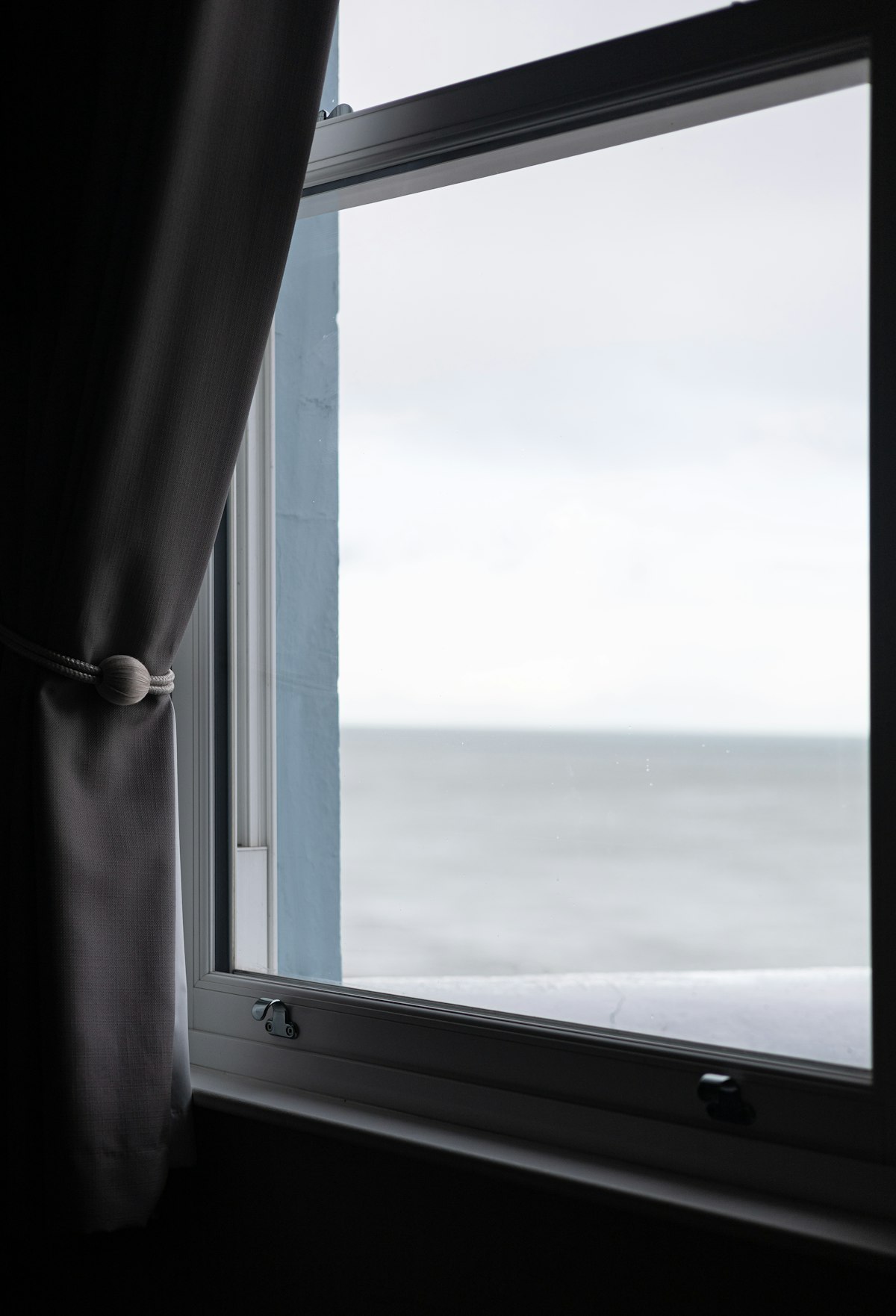
Day sleep is lost in the bedroom before it’s lost anywhere else, and the enemy is daylight working through ordinary curtains. “Your bedroom needs to be cave-dark at one in the afternoon, which usually means covering the glass itself.”
That sentence costs almost nothing to obey. Foil pressed flat on the glass. Cardboard cut to the window frame. Blackout fabric clipped over the pane, behind whatever curtains make the room look lived in. My foil was up for two years, and the only person who ever saw it was me. Curtains leak light around every edge, and the leak is the strip of noon your retinas report to a brain deciding whether it’s day.
Then the other two senses. Earplugs, the foam kind, plus a fan for masking, because the brain adapts to steady sound in minutes and never to sudden sound, so the mower next door matters less than the doorbell. And cool: a body that needs its core temperature to drop to call it night fights a warm room all afternoon. The blackout details live in the day sleep guide.
Light at both ends
The same light that ruins your day sleep is also a tool, if you point it the right way, and the rule is bright early, dim late. The first half of the shift should happen in the brightest environment your workplace allows, because that light tells your clock “evening, stay up,” which is the opinion you need it to hold. The last hour or two runs dim, so the clock starts hearing “night is coming” before you’ve left the building.
Then the ride home. Morning light on that drive is the loudest “wake up” signal your brain receives all day, and it lands at the worst hour, so you block it: dark sunglasses from the parking lot to your front door, even on gray mornings. “because bright light at the wrong end of the shift quietly undoes what the first half built.” They feel theatrical for about three days, then they’re as normal as a lunchbox.
One roster-level move is worth a single conversation with whoever builds the schedule: ask for forward rotation, day to evening to night. “Schedules that rotate forward, day to evening to night, are easier on the body than backward rotation, because your internal clock drifts later far more easily than it drifts earlier.” Nadia asked that question years ago and calls it a bigger change than any supplement.
Naps, and the one non-negotiable
Naps are not a confession of weakness in this world, they’re equipment, and the useful kind is short: twenty to thirty minutes before the shift or in a break, alarm set, because past half an hour you drop into deep sleep and wake up groggier than you started. That grogginess, sleep inertia, is what the short nap stays under. Ninety minutes, a full cycle, works too, but the short one fits a real life.
Now the one place this chapter is bossy on purpose, because the stakes are the drive home. “Don’t drive home after a night shift when you can feel yourself losing the argument with sleep; nap before the drive, take transit, split the ride with whoever shares your roster, call the car. Everything else in this chapter is a suggestion. This one isn’t.” Seventeen hours awake impairs reaction time at levels comparable to being over the legal alcohol limit, which is the finding NIOSH and the CDC keep having to repeat. Nadia’s parking-lot nap was not a quirky story. It was a warning shot.
Make the deal in advance so you don’t negotiate with yourself at 7 a.m.: a partner who collects you, or a parking-lot nap before the key turns.
The honest limits
Some rosters will never fully cooperate, and I won’t pretend otherwise. Rotating backward, split shifts, on-calls: “for those situations this chapter is damage control, not a cure.” The anchor block shrinks instead of vanishing, the blackout stays up even when the block is two hours, and the goal becomes a smaller accident, not a perfect schedule.
And there’s a point where damage control needs a clinician, not a blogger. If you’re falling asleep mid-task despite genuinely protected sleep, or the insomnia side has held on for months, that conversation is part of the method, not a failure of it. Shift work disorder is real and it responds to treatment. “The clock can be argued with, but never for free.” Spend the argument wisely: anchor, darkness, light, naps, in that order.
Frequently asked questions
What is the best day sleep routine for night workers?
An anchor sleep block of three to four hours at the same clock time every day, days off included, in a cave-dark, quiet, cool bedroom. Get home, blackout the room, run a short wind-down, protect the block, then let lighter sleep wrap around it as life allows.
How dark does a room need to be for day sleep?
Cave-dark, which means covering the glass itself, not just closing curtains: foil, cardboard cut to the window, or blackout fabric. Curtains leak light around the edges, and retinas report every leak to a brain that’s trying to decide whether it’s day.
How long should a nap before a night shift be?
Twenty to thirty minutes, with an alarm. Stay below the threshold of deep sleep so you don’t wake into sleep inertia. A longer nap, ninety minutes or a full cycle, works too if you have the time, but the short one is the reliable tool before a shift.
Why do I keep waking up after only a few hours of day sleep?
Light, noise, heat, and your own circadian rhythm, which is shouting day at noon no matter how tired you are. Blackout the glass, mask the sound, cool the room, and accept that the anchor block plus a second shorter sleep often beats chasing one heroic eight-hour day sleep.
Tonight’s version: foil on the bedroom glass, earplugs and fan by the bed, dark glasses in the bag for the ride home, and one decision about which three hours belong to you. The complete system, including the worksheets, is in Sleep, Finally.
This guide is educational, not medical advice. If sleep problems persist for months or wreck your days, see a doctor.