Alcohol & Sleep
How Long Before Bed to Stop Drinking: The 3-Hour Math
By Nora Vale · August 5, 2026 · 7 min read
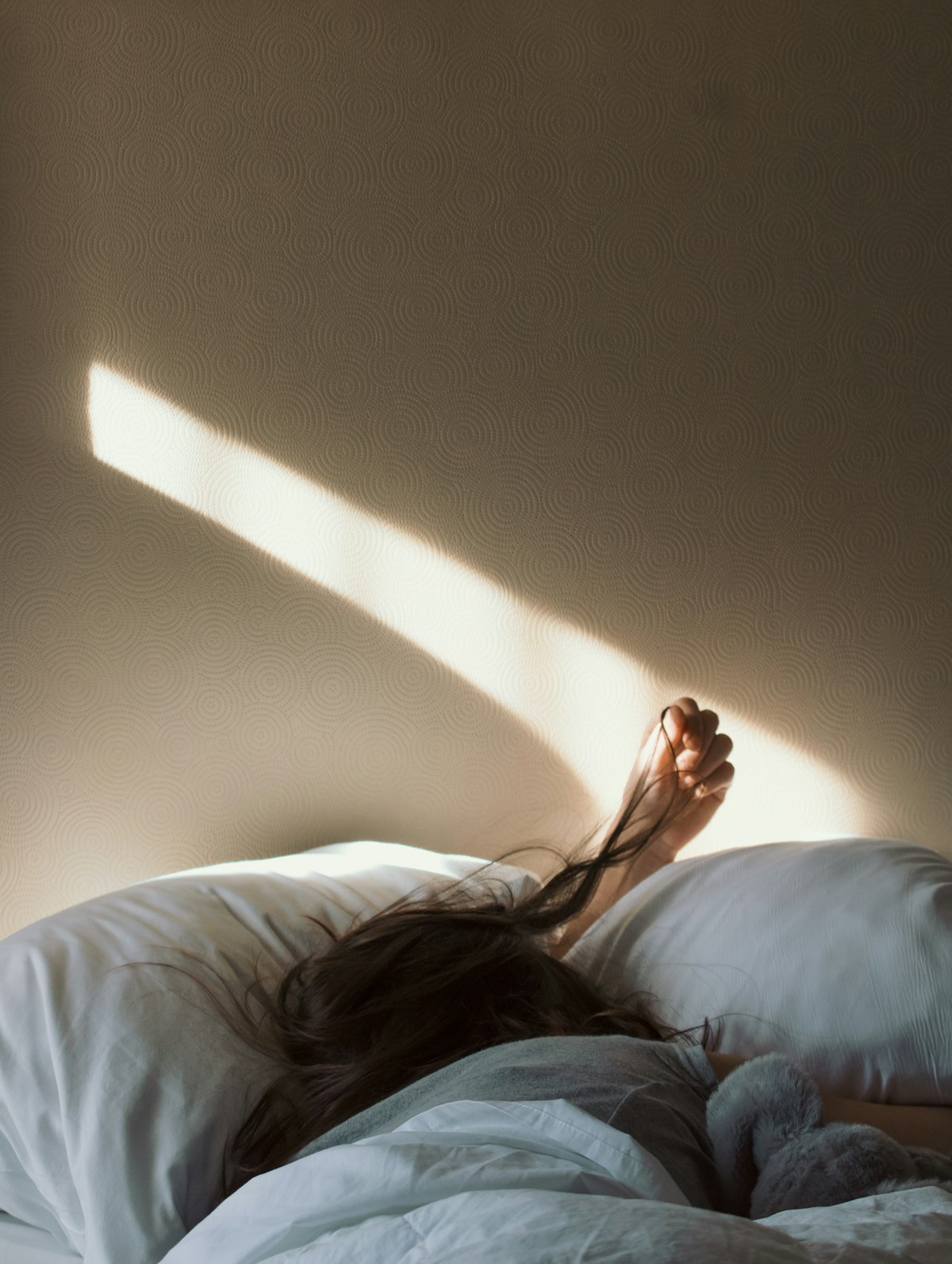
The last glass went down at 10:15 and the alarm said 6:30, and somewhere in between I sat upright at 2:40 with my skin too hot for blankets and a heart doing shift work of its own. I remember auditing my life for the cause. Job, marriage, hormones, the mattress, the neighbor’s floodlight. It never once occurred to me that the cause had been poured three and a half hours earlier and was still on my tab. The question of how long before bed to stop drinking has an unromantic answer, because it isn’t about discipline at all, it’s about your liver’s payroll, which runs one drink per hour and doesn’t take requests. Get the timing right and the same wine becomes a different night. The wider frame is in the alcohol and sleep guide.
Key takeaways
- The Sleep Foundation puts the practical minimum at about three hours between the last drink and bedtime, longer for several drinks or an empty stomach.
- The number comes from biology: your liver clears alcohol at roughly one drink per hour, indifferent to your plans.
- Later alcohol means a bigger bill, because the rebound lands mid-night instead of in the light final third where it does less damage.
- Three hours is a damage-reduction floor, not a permission slip. No dose anywhere in the literature improves the night’s actual architecture.
- If you’re counting backward, count from the liver, not from when you’d like to pour.
Where the three-hour number comes from
Timing is the lever people forget they have. Take a standard eleven o’clock bedtime and two glasses finished at 8:30 with dinner, and the liver has cleared most of the load before your head reaches the pillow, with whatever rebound remains landing in the final third of the night, where sleep is already light. Pour the same two glasses at 10:15 instead and you fall asleep with the full dose still on board, the sedative does its work after you’re down, and the handoff lands dead center in the night. Same wine, same person, same amount. Different hours, different night.
The machinery is blunt. Your liver clears alcohol at roughly one drink per hour, steady as a metronome and completely indifferent to your plans, so the sedative that switched you off at 10:15 is substantially gone by two. What’s left is the rebound: sleep turns shallow and choppy, awakenings multiply, your heart rate runs higher than it should, and the suppressed REM pushes back in as vivid, strange dreams. As the blood alcohol falls, which happens on schedule three to four hours after the final glass, the body reacts to the sedative leaving much the way it would react to a stimulant arriving, with arousal, warmer skin, a faster pulse, and a brain that surfaces and decides to stay up. That’s the handoff. For a standard evening pour it lands between 2 and 3 in the morning.
That consistency is the tell. The after-drinking wake time is eerily similar from person to person because it isn’t bad luck, it’s a timetable, and the cutoff question is really just asking how much of that timetable you can push into the harmless part of the night.
How to use the cutoff tonight
The arithmetic is small enough to do standing up.
- Count one hour per drink, backward from bedtime. One glass needs a real hour, two need two and change, so finish two by 8:30 for an eleven o’clock bedtime and stop pouring after that.
- Move the drink to the table. Wine with dinner instead of wine after the dishes is the same consumption with a better schedule, and it’s the single cheapest change in this whole cluster.
- Add a buffer for size and stomach. Several drinks, or drinks on an empty stomach, push the clearing later, so the three-hour floor is exactly that, a floor.
- Stop before bed, not at it. The cutoff is about the last sip, and dessert wine, a digestif, or the host’s refill all count toward the dose even when they feel like part of the evening instead.
One warning about what the cutoff can’t do: food slows the pour of alcohol into the bloodstream, which softens the first half a little, and it does nothing whatsoever about the second half, where the clearing and the rebound run on the liver’s schedule no matter what’s sitting in your stomach. Dinner isn’t a shield. Wine with food is gentler than wine without, and gentler isn’t harmless. Moderate amounts don’t buy an exemption either, because sleep researchers who measure whole nights keep finding fragmentation even at one or two glasses, the culturally innocent dose of dinner parties. Smaller dose, smaller damage. Same mechanism.
What this looks like on actual evenings
Lisa, forty-six and an accountant, poured two glasses around nine without anyone in her house ever thinking to call it a habit, and she fell asleep in ninety seconds, every night, for a decade. The 2:40 wake-ups got filed under perimenopause, work stress, the new mattress, and the neighbor’s motion light, everything except the wine, because the wine was the one thing that reliably produced sleep. Three dry evenings a week and a pencil log on the fridge produced the pattern in nine days. On wine nights she surfaced between 2:20 and 3:00; on dry nights she slept through. Her version of the cutoff wasn’t three hours, it was three evenings, and either way the log did the thinking.
Pete’s version is closer to what most people actually want. He drinks only beer, on the record, two lagers most evenings on the back steps between the warehouse and dinner, and he’d tell you sincerely that beer barely counts. His 3:15 wake-up blamed the warehouse, his age, and once the dog. His entire intervention was moving those two beers to dinnertime, an hour and a half earlier, with food. The 3:15 became a sleepable 5:30 inside two weeks. He still drinks. Only beer, still on the record, now earlier, at the table, which is the stair-step version of the cutoff and a completely legitimate place to stand.
Where the cutoff stops helping
Here’s the limit, said plainly. The three-hour rule reduces damage, it doesn’t purchase good sleep, and there’s no dose anywhere in the literature where alcohol improves the night’s actual architecture. If your evenings land inside the cutoff and the second half of the night is still a mess, the cutoff was doing damage reduction all along, not repair, and something else deserves the work. It also won’t fix a night broken by a 4 p.m. coffee, a glowing bedroom, or weekends living three time zones from your weekdays, and two dry weeks in the wrong company of those habits will hand you a tidy null result and a false conclusion. If your log keeps pointing at the wine anyway, the 2 a.m. wake-up after drinking has its own post, and the REM arithmetic sits behind that.
Frequently asked questions
How long before bed should I stop drinking?
The Sleep Foundation puts the practical minimum at about three hours between the last drink and bedtime, longer for several drinks or an empty stomach. It’s a damage-reduction number, not a clean bill of health. Two glasses finished at 8:30 with dinner behave like a different substance from the same two poured at 10:15.
Why does the cutoff work?
Your liver clears alcohol at roughly one drink per hour, on its own schedule and nobody’s. If most of the dose is gone before your head hits the pillow, the sedative does less of your falling-asleep for you and the rebound lands in the final third of the night, where sleep is already light.
Does eating food with the drink count as a buffer?
It slows how fast alcohol enters the bloodstream, which softens the first half of the night. It does nothing for the second half, where the clearing and the rebound run on the liver’s schedule no matter what’s sitting in your stomach. Food is a cushion, not a shield.
Is beer or wine gentler than spirits before bed?
No. A standard beer carries about as much alcohol as a glass of wine or a shot of anything, and the body processes it identically no matter what it arrived in. What matters is the amount of alcohol and the clock, not the label.
What if I keep the cutoff and still wake at night?
Then alcohol wasn’t your only thief, or wasn’t your thief at all. A tidy null result after two honest weeks is real data, and it means the light, the room, the schedule, or the caffeine deserve a look instead.
The book goes further, with the log and the whole experiment laid out. That’s Sleep, Finally. Tonight, count backward from eleven, not forward from nine.
This guide is educational, not medical advice. If sleep problems persist most nights for three months or more, or if cutting back feels genuinely hard rather than merely annoying, that’s information worth taking to a doctor, not a verdict on your character.