Shift Work & Jet Lag
Hotel Day Sleep Tips for Traveling Nurses
By Nora Vale · May 9, 2026 · 8 min read

The first traveling-nurse assignment I heard about in detail was my friend’s, thirteen weeks in a city where she knew nobody, sleeping days in a hotel that face-planted exactly one aspect of the job: the room’s curtains were decorative. Sunlight poured through the edges like the window was proud of itself, the ice machine celebrated every hour on the hour, and she was supposed to recover from twelve-hour nights in there. She managed it, eventually, with painter’s tape and a CS rating for stubbornness that her hospital never saw.
Hotel day sleep is a distinct skill, not a smaller version of home sleep, and the book’s standard for it is uncompromising in the right way: “Your bedroom needs to be cave-dark at one in the afternoon, which usually means covering the glass itself,” which in a hotel means you, the tape, and the hardware aisle, because housekeeping will not do it for you. This comes from the shift work guide, and it’s for the people holding healthcare together from room 412.
Key takeaways
- Choose the room before fighting it: away from elevators, ice machines, and street noise.
- Hotel curtains leak by design; bring clips, tape, and a liner to build the cave-dark standard yourself.
- A fan plus foam earplugs beats either alone against corridor and housekeeping noise.
- Keep your anchor block at the same clock time daily; it’s the one familiar thing your body gets.
- Tell the front desk you’re a night worker; it’s a free service request that often works.
Choosing the room is half the sleep
The cheapest intervention happens before you ever open the door. Request a room away from elevators and ice machines, not adjoining the pool, not above the loading dock, ideally facing an interior courtyard or the back of the property, on a middle floor where street noise arrives attenuated. Book directly by phone when you can, because the person who can actually note “night worker, quiet room” on the reservation works the desk, not the app.
Then do the thing almost nobody does: test the room in daylight, before your first shift, not after a bad one. Stand in the dark the blackout claims to provide at one in the afternoon. Listen for the elevator whine and the street. Find the curtain leak points now, while you still have the energy to fix them, and if the room is unfixable, ask to move before the assignment has a chance to make the bad room feel permanent.
Building the cave in a borrowed room
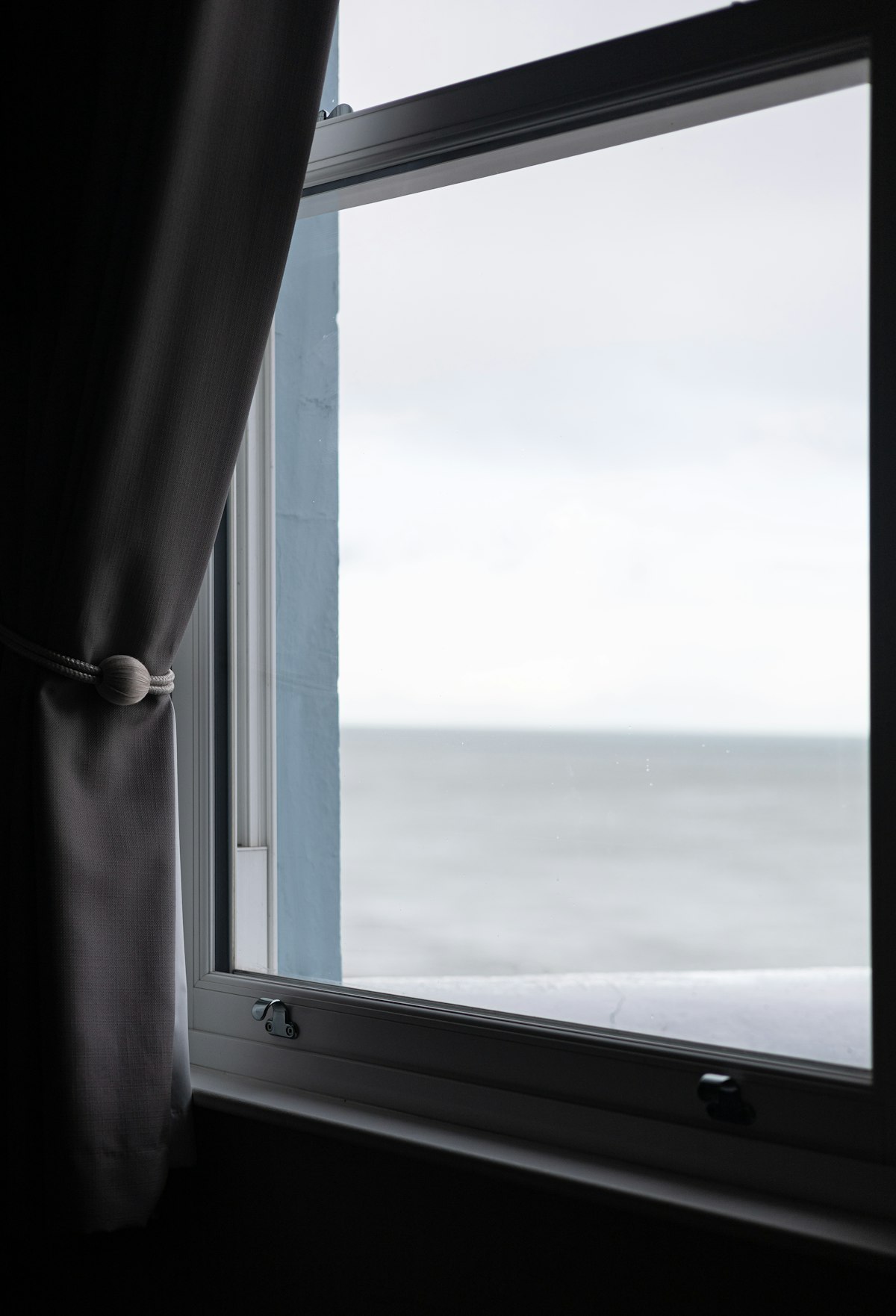
Assume the curtains leak, because most hotel curtains are theatrical rather than functional, glowing at the edges and parting a few inches at the center. The standard kit, which fits in a toiletry bag, is binder clips for the overlap, painter’s tape for the edge gaps, and a dark scarf or a cheap portable blackout liner for the worst windows. Ten minutes of engineering gets you to the book’s actual standard, cave-dark at one in the afternoon, and the difference between dark and cave-dark is, for a day sleeper, the difference between a nap and a night.
Noise is the second front, and hotels are louder when you sleep because the world is awake around your room. Foam earplugs plus a fan is the classic pairing, and the fan earns double duty as the white noise that makes the corridor’s random sounds predictable: a steady broadband bed of sound masks the cart wheels, the ice machine, and the guest who discovered the hallway at three in the afternoon. A white noise app on a small speaker does the same job and packs smaller. And tell the front desk your schedule; many properties will flag your room against housekeeping’s daytime visit, and the request costs nothing and often works.
One more layer the book insists on for night workers generally: keep the room cool, because daytime sun is working the glass even through blackout, and the fall in core temperature that gates sleep onset needs the assist. Set the thermostat low on arrival, not after your first sweaty failure.
The anchor block travels with you
Here’s the part that’s easier than it sounds, and it’s the actual foundation. The anchor sleep block, “a core chunk of three to four hours kept at the same clock time every single day, days off included, so your body finally has one protected window it can rely on no matter what the roster did to the rest of the night,” survives hotel walls better than any gadget, because it’s the one piece of your home sleep your body can carry with it. Everything else in the room is new; the block is familiar, and familiarity is the resource a borrowed room can’t supply on its own.
In practice: pick the block time based on your shift end and the local reality, guard it on days off as firmly as on work days, and let the edges of your day flex around it rather than the reverse. The book’s warning about flip-flopping, that it “feels like freedom. It costs like a hangover,” applies with extra force on assignment, because a new city plus a loose schedule is the exact combination that turns thirteen weeks into thirteen weeks of jet lag. The anchor is also what makes the broader anchor block method portable, since the skill transfers between rooms, cities, and assignments.
And the small dignities matter: a real wind-down in a hotel room, lights low, screens off, the same sequence you’d run at home, teaches your body that this strange room is the place sleep happens. The book’s persona would call this spending effort on sleep rather than on the story, and hotel sleep rewards exactly that economy.
The honest limits
Some hotels defeat you, and the honest exit is a different room or a different property, requested early, rather than a whole assignment fought through a thin curtain. Extended-stay rooms and furnished apartments often have better curtains and quieter walls than standard hotel stock, and for a thirteen-week assignment the few dollars per night can be the best sleep purchase available. And even the best hotel hack stack loses to a schedule that rotates while you travel; the anchor block is damage control in that case, not a cure, which is the book’s own framing for the hardest rosters.
If sleep is fragmented everywhere, home included, or you’re fighting sleepiness on shift despite honest hours in the block, the environment was never the whole problem, and the next step is a physician, since persistent sleeplessness and on-shift drowsiness deserve diagnosis. And the standing rule travels too: when the post-shift drive home involves losing the argument with sleep, nap first, take transit, or call the car, because that one, the book is explicit, is not a suggestion.
Frequently asked questions
How do I make a hotel room dark enough for day sleep?
Bring the kit: binder clips for curtain overlaps, painter’s tape for edge gaps, and a portable blackout liner for the worst window. Hotel curtains leak by default, and the goal is the cave-dark standard, not merely dim, which the room will never achieve on its own.
What’s the first thing to do when checking in for a day-sleep assignment?
Request a room away from elevators, ice machines, and the street, middle floor, facing inward. Then test the blackout and noise in daylight before your first shift, while you still have the energy to fix or move rooms.
Should I keep my anchor sleep block while traveling?
Yes, and it matters more in a borrowed room: three to four protected hours at the same clock time daily is the one familiar signal your body carries with it. Guard it on days off too, and let the rest of the day flex around it.
How do I handle hotel noise when I sleep while hallways don’t?
Foam earplugs plus a fan or white noise speaker, since the steady sound bed masks random corridor noise better than silence. Tell the front desk you’re a night worker and ask that housekeeping skip your room; it’s a free request that frequently works.
When is hotel sleep trouble a sign of something bigger?
If sleep fragments everywhere, home included, or you’re fighting sleepiness on shift despite honest hours in the block, the environment isn’t the whole story. That’s a physician conversation, since persistent sleeplessness deserves diagnosis rather than another gadget.
The book behind this site covers the traveling night worker’s whole situation, and you can get it here.
This guide is educational, not medical advice. If sleep problems persist for months or wreck your days, a doctor is the right door.