Exercise, Naps & Sleep
Exercise Snacks: Do 5-Minute Breaks Help Sleep
By Nora Vale · April 22, 2025 · 7 min read
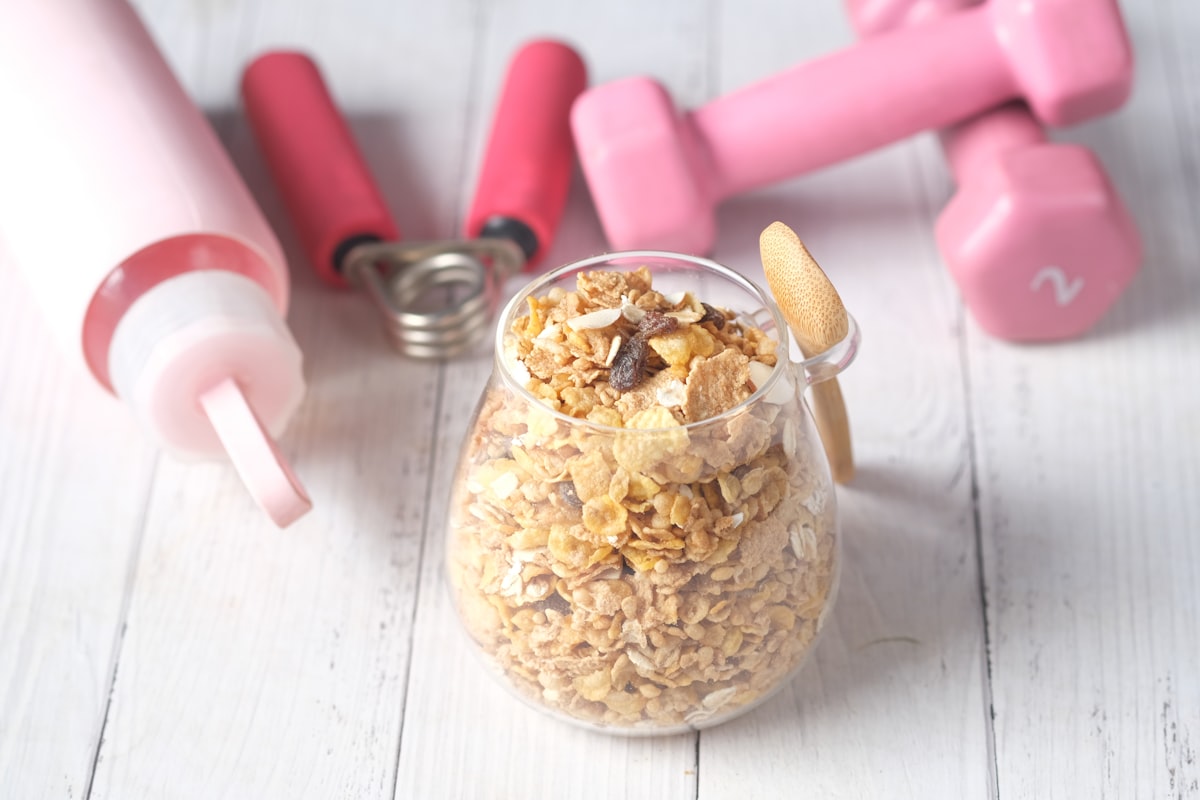
The year I slept worst was also the year I moved least. It wasn’t a dramatic job change, just a slow slide into a chair: hour in the car, hour in meetings, hour on the couch, repeat. When a friend suggested “exercise snacks,” those tiny five-minute movement breaks people scatter through the day, I laughed, because five minutes felt like an insult to the problem. I tried it anyway, and the result was so unimpressive-looking and so effective that I’ve been annoyed about it ever since. If you’re wondering whether exercise snacks can actually fix a night, this post is my honest answer, and the wider mechanism lives in my guide to exercise and sleep.
Key takeaways
- Exercise snacks work for sleep because sleep pressure builds from movement, and small doses still move the meter.
- The jump from no movement to some movement is the biggest single improvement available; snacks are the cheapest way to make that jump.
- Thirty to forty minutes of accumulated movement is the target, but ten minutes on a chaotic day still counts.
- Snacks are not a replacement for sleep timing: the day builds the pressure, and the night still has to be protected.
- Expect roughly two weeks before your nights change, not two nights.
Why tiny movement pays a sleep dividend at all
The currency your night runs on is sleep pressure, the drowsiness that accumulates in your brain every hour you’re awake, and faster when your body actually does something. A book I learned this from puts it plainly: “A body that spent nothing by evening has nothing to pay sleep with.” My chair-bound year was exactly that ledger. By 11 p.m. I was exhausted, but it was the wrong kind of tired, “exhausted like a drained battery rather than a worked muscle,” and my nights knew the difference.
Here’s the part that surprised me. You don’t need a workout to start the account. In the words of the same chapter, “people who move at all sleep better than people who don’t, and the jump from nothing to something is the biggest jump available.” That jump is precisely what exercise snacks manufacture. A five-minute stair climb at 10:30, a walk to the far end of the parking lot, carrying the groceries in two trips instead of one — none of it looks like exercise. “All of it is movement, and your sleep doesn’t check your outfit.”
So the honest answer to the headline question is yes, with one condition. The snacks only help if they replace sitting. If your day already includes a real walk or a training session, adding three squats between meetings won’t move much. If your day is otherwise flat, the snacks are the whole difference between a drained battery and a worked muscle.
What the evidence actually says
I’m skeptical of anything free, so I checked. The National Sleep Foundation’s Sleep in America surveys found that people who do vigorous exercise report good sleep roughly twice as often as non-exercisers, but light activity also beat sitting still. Johns Hopkins Medicine notes that even thirty minutes of moderate aerobic movement can improve sleep that same night. Neither finding requires a gym. Both are satisfied by a day stitched together out of movement.
The other reason snacks work is behavioral, and it’s the part fitness culture gets wrong. The best exercise for sleep is the one you’ll actually repeat, and a five-minute break survives weeks that kill workout plans. My own anchors are ugly: dumbbells live between the kitchen and the TV, so two sets happen while dinner heats, and the after-dinner walk happens because the dog expects it. “Motivation is a terrible scheduler. Anchors work.” A snack attached to the kettle is worth ten snacks attached to January intentions.
If you want the full-length version of this mechanism, including where vigorous training fits, the post on whether exercise helps you sleep covers the science, and the one on the best time to exercise for sleep handles the clock questions.
A day built out of snacks
Here’s what the idea looks like when it survives contact with an actual Tuesday.
- Morning, one minute. Take the stairs instead of the elevator, or park at the far edge of the lot. Small, but it wakes the ledger up.
- Mid-morning, five minutes. Stand up, climb a few flights, pace while you take a phone call. Your call doesn’t care that you’re walking.
- Lunch, ten to twenty minutes. Walk outside around whatever boring loop is nearest. Leave the phone on the desk. On rain days, stairs, ten floors of them.
- Afternoon, five minutes. This is the slot where my eyes used to go sandpaper at 2:40, and a short walk blunted it within two weeks.
- Evening, ten to twenty minutes. An after-dinner walk around the corner and back. It burns off restlessness, helps digestion, and quietly lowers reflux pressure before bed.
Added up, that’s thirty to forty minutes of movement with zero equipment and no shower required. On days when the schedule detonates, the shrunken version is one flight of stairs and a lap of the block, and a habit that shrinks rather than breaking is the only kind I’ve ever kept.
One honest caveat about intensity. If your snack is genuinely vigorous, like burpees or sprint intervals, finish it at least one to two hours before bed. Late, hard effort can leave your nervous system humming at lights-out. The evening workout panic is mostly myth, and the post on working out at night dismantles it, but timing still deserves respect.
What exercise snacks cannot do
Now the limits, because a post that smells like an ad is useless. Snacks build sleep pressure, and sleep pressure is only one leg of sleep. If your nights are broken by a racing mind, a nightcap, or a bedroom that glows like a convenience store, movement won’t fix those, and the posts on those problems exist for a reason. If you’re overtraining, or in a stretch of chronic insomnia where even good days come with 3 a.m. wake-ups, adding more movement is the wrong lever, and the right one is a conversation with a doctor or a proper insomnia treatment like CBT-I.
There’s also a realistic ceiling. Snacks approximate the sleep benefits of moderate activity; they don’t build cardiovascular capacity the way real training does, and I won’t pretend otherwise. For sleep specifically, they’re closer than you’d think. For everything else, they’re the floor, not the program.
This guide is educational, not medical advice. If sleep problems persist most nights for three months or more, a doctor is the right door.
Frequently asked questions
Do 5-minute exercise snacks really help sleep?
Yes, as long as they replace sitting. Sleep pressure builds from movement of any kind, and the largest improvement on record is the jump from a sedentary day to any movement at all. Five honest minutes beat a perfect plan you never start.
How many exercise snacks do I need in a day?
Aim for two to four, totaling thirty to forty minutes of movement across the day. On crushed days, one stair climb or one lap of the parking lot keeps the thread alive, and keeping the thread is the whole game.
Can I replace workouts with exercise snacks entirely?
For sleep, close to yes, because your night responds to the doing, not the finishing. For strength, endurance, or training goals, snacks are a floor rather than a program, and real workouts still earn their place.
How late is too late for a movement break?
Finish vigorous effort one to two hours before bed, then keep the evening gentle. Slow walks and stretching stay welcome almost until lights-out, and a short after-dinner walk is one of the most reliable evening slots there is.
How long until my sleep changes?
Plan on about two weeks. In my own chair-to-walking experiment, the nights started getting edges around that mark, and both the survey data and my log agree that one dramatic night is the wrong scoreboard.
The snacks never fixed my nights on their own, and I’d be lying if I said they did. What they did was turn the most sedentary year of my life into a year where the meter filled again, and the nights followed within a fortnight. That trade, five ugly minutes at a time, is still the cheapest sleep purchase I’ve ever made.