Exercise, Naps & Sleep
Can Naps Ruin Nighttime Sleep? The Honest Answer
By Nora Vale · January 25, 2026 · 7 min read
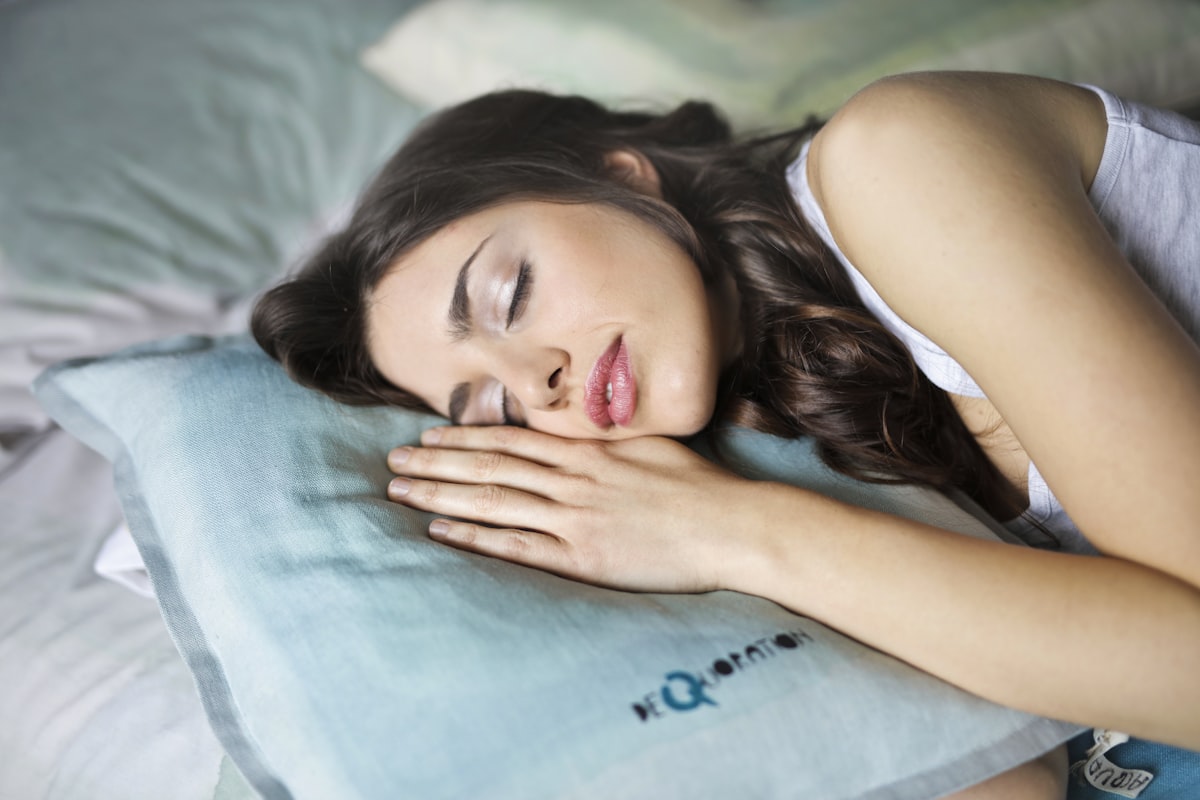
My father retired and discovered the armchair nap, two luxurious hours every evening at five. Within a month he was pacing the house at 2 a.m. looking for wherever his sleep had gone. It hadn’t gone anywhere. He’d spent today’s down payment at five in the afternoon. If you’ve wondered can naps ruin nighttime sleep, his armchair is the short answer: yes, when they’re long enough or late enough. The full movement chapter, naps included, is in the exercise and sleep guide.
Key takeaways
- Naps work by releasing sleep pressure, and the night runs on that same pressure.
- Ten to twenty minutes, between 1 and 3 p.m., is the safe zone.
- Past thirty minutes or after four, the nap starts spending the night’s budget.
- During insomnia recovery, skip naps temporarily: pressure is the medicine.
- Falling asleep against your will every afternoon is a doctor flag, not a nap schedule.
The mechanism: sleep pressure is a currency
Here’s the whole economics in one paragraph. Sleepiness is pressure that builds hour by hour while you’re awake, and sleep pays it down. A body that spent nothing by evening has nothing to pay sleep with. Movement builds pressure faster; naps drain it. None of this makes naps evil. It makes them withdrawals from the same account your bedtime draws on, and the question is only how big a withdrawal and at what hour.
That framing also explains the mystery of why some people nap freely and others wreck themselves. The fast metabolizer of sleep pressure can afford a siesta. The person running a sleep deficit, or the person whose nights are already thin, spends pressure they can’t spare. Same nap, different ledger.
It also explains the timing of the craving itself. The 1 to 3 p.m. dip isn’t weakness or a lunch mistake; your body clock runs a shallow trough there regardless of what you ate, which is why Mediterranean cultures built the siesta on top of it rather than inventing one. The dip is the body asking whether the pressure can be spent now or should be saved for tonight. Your answer, nap or no nap, is really just a budgeting decision wearing a cushion.
Where the safe line actually sits
The safe zone is narrow and easy to remember. Ten to twenty minutes, inside the 1 to 3 p.m. dip your body clock runs anyway, at least eight hours before bedtime. You stand up functional. That’s the entire trick, a nap that stays in the shallow end. Under twenty minutes you never reach deep sleep, so you get alertness without grog and without spending much pressure.
Past thirty minutes you drop into deep sleep, and waking from it hands you sleep inertia, the concrete-head feeling that gives naps their bad reputation. My post on why naps make me groggy covers that trap, and how long naps should be goes deeper on the timing. The hour matters as much as the length: after four, even a short nap pulls from the evening’s budget, which is how a twenty-minute lie-down at 5:30 turns into midnight ceiling arithmetic. Duvet-level detail lives in afternoon nap rules.
Two logistics notes that decide whether the safe version actually stays safe. Set an alarm before you lie down, not after, because the whole risk profile changes the moment a twenty-minute plan becomes forty unplanned ones. And take the nap somewhere that isn’t your bed, ideally a couch or an armchair, for the same reason the book’s stimulus control keeps the bed for night work: the bed should mean sleep at bedtime, not a rehearsal at two in the afternoon. A power nap I trust looks boring from the outside. Twenty minutes, alarm on, couch, cover optional, coffee before or after if you want it, since caffeine takes its time arriving anyway and covers the landing.
When the nap is the problem
There’s a specific window where even the innocent version has to go, and I’d rather say it plainly than hedge. If your nights are broken and you’re rebuilding them, skip naps for a few weeks. Pressure is the medicine, and every nap is a skipped dose. The rebuild works by letting sleep pressure pile high enough that your night re-forms, and each afternoon nap takes a little of the dose your night was counting on. The foggy afternoons are real; walk them off, literally, with light on your face.
The rest of us get a cheap diagnostic: run one week with your usual nap and one without, and log bedtime, night wakeups, and the 2 a.m. line in particular. If the nights don’t move, your nap fits your ledger and you keep it. If the second half of the night improves when the nap goes, you’ve found the leak with your own data instead of an opinion. Sleep on gym days is the same currency story from the spending side, which I cover in why do i sleep better on gym days.
The honest limits
I’m a not-a-napper, and I’ve made every mistake in this post. I’ve lain down at 1:30, dozed nothing, and spent forty minutes negotiating with my own ceiling, which is the only activity guaranteed to prevent a nap. So rest counts as partial credit here, and I won’t sell you a napping protocol. The safe-zone rules also bend with age and night work: shift workers juggling split sleep run different arithmetic than office nappers, which I treat separately in how to sleep after a night shift. And the boundary that matters most: if sleep arrives uninvited every afternoon, mid-sentence or at a red light, that’s not a dip, that’s a symptom. A doctor is the right door, not a better nap schedule.
Frequently asked questions
Can naps ruin nighttime sleep?
Yes, when they run past thirty minutes or land after about four in the afternoon. Sleep pressure is the currency the night spends, and a big late nap is a withdrawal the bedtime balance can’t cover. Short, early naps usually leave the night untouched.
How long is a safe nap?
Ten to twenty minutes, between 1 and 3 p.m., at least eight hours before bed. You stand up functional. That’s the entire trick, a nap that stays in the shallow end.
Why do hour-long naps leave me groggy?
Because you crossed into deep sleep and woke mid-cycle, which produces sleep inertia. Twenty-minute naps never reach that stage, which is why the shorter nap is the one that leaves you sharper.
Should I stop napping if I can’t sleep at night?
During a rebuild of broken nights, yes, temporarily. Pressure is the medicine, and every nap is a skipped dose. Once your nights are stable for a few weeks, short afternoon naps usually return without cost.
Is an afternoon dip normal, or a warning sign?
The 1 to 3 p.m. dip is circadian and normal; dozing against your will, mid-conversation or driving, is not. The dip responds to a walk and light. Uninvited sleep belongs at a doctor’s appointment.
Better nights aren’t a purchase. A twenty-minute walk is a sleep supplement that costs nothing, and the armchair can keep the two hours. The full chapter is in Sleep, Finally. Set a timer before you lie down. Your 2 a.m. will thank you for it.
This guide is educational, not medical advice. Excessive daytime sleepiness deserves a medical evaluation, not a nap strategy.