Wind-Down Routines
Can a New Mattress Shorten Your Wind-Down Time
By Nora Vale · June 11, 2025 · 6 min read
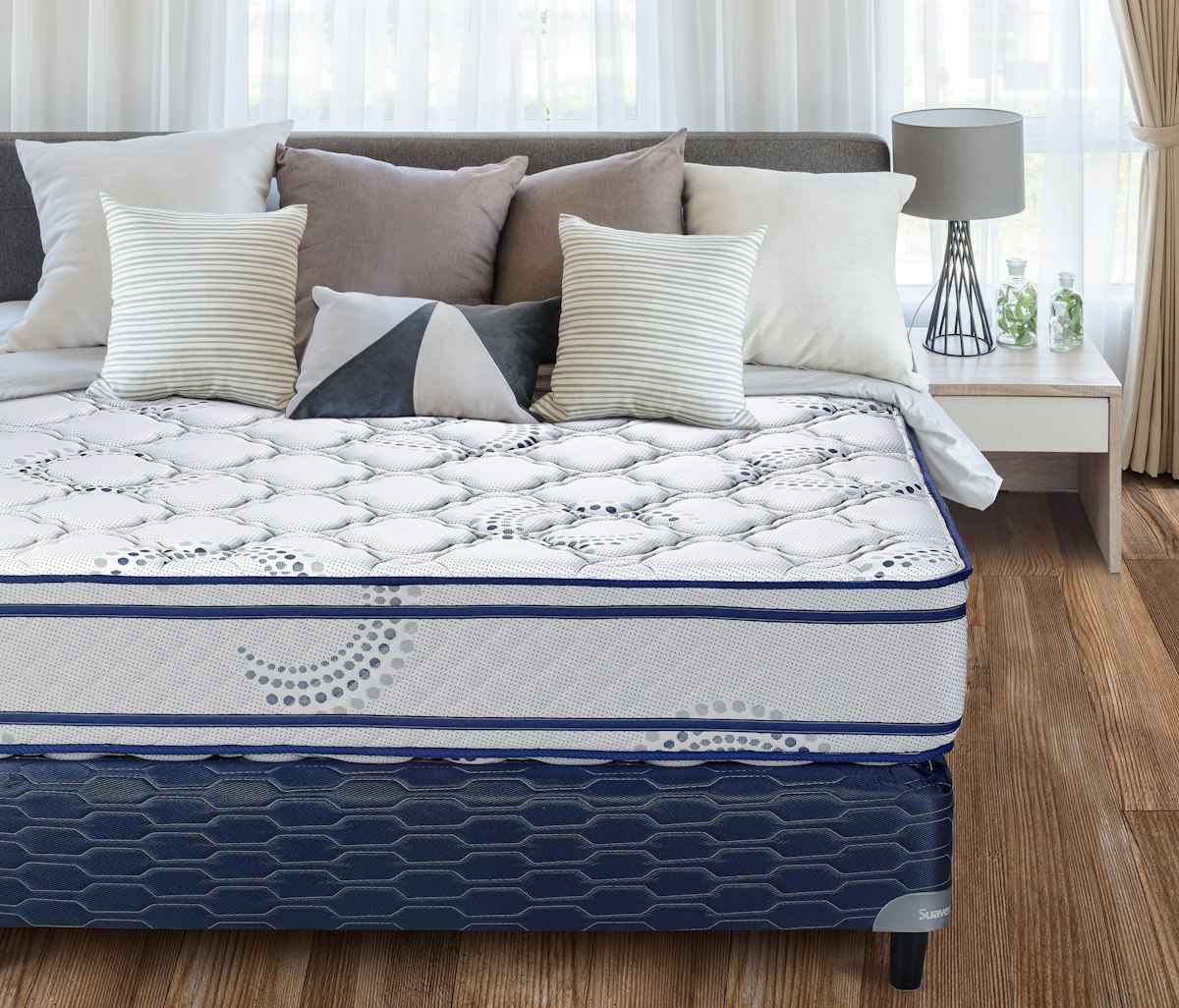
A mattress salesman once told me the right bed could replace half my bedtime routine, and I want to retract the nod I gave him. I bought the mattress, a good one, and my wind-down still decided whether I slept, the same way it had for a decade. What the mattress actually changed was smaller and more specific than the showroom promised, and knowing exactly what it does and doesn’t touch is the difference between a two-thousand-dollar bed and a useful one. If you came here wondering whether the purchase can stand in for the routine, the short answer lives in the wind-down routine guide, and the long answer is below.
Key takeaways
- A mattress can’t shorten or replace your wind-down, because the routine works through repetition and conditioning, not cushioning.
- What a bad mattress does is add soreness and fidgeting to the last hour, and fixing that is worth real money.
- The replace-by window is roughly seven to ten years, sooner with sag, morning soreness, or the hotel-bed tell.
- Medium-firm beats extra-firm, and the pillow, a twenty-dollar gap-filler, matters more per dollar than anything else on the bed.
- The mattress is one dial of four in the bedroom. It sets a floor, not the night.
What a mattress can and can’t do at lights-out
The case for the mattress is real, so let’s state it fairly. Discomfort is a sleep thief, and a sagging, sore-making bed delivers a slow drip of it right through the hour when you’re trying to drift. If your lower back complains the moment you lie flat, or your shoulder folds awkwardly no matter how you arrange the pillow, that friction lands exactly in the window the wind-down is trying to make quiet. Fixing it is legitimate. Nobody should romanticize sleeping on a hammock of springs with a valley down the middle.
But notice what kind of problem that is. It’s a subtraction problem, removing discomfort, and the wind-down is an addition problem, adding a learned signal. The routine works because your brain notices the same dim lights, the same shower, the same ten slow breaths running in the same order most nights, and starts sliding toward sleep on approach. The book’s version of this is the one that stuck with me.
“The mattress industry would like you to believe the bed is destiny. It isn’t. It’s one dial of four, and the most expensive one, so let’s be skeptical here first.”
One dial of four. The other three, light, temperature, and noise, cost a fraction of the bed and each one moves your nights at least as much. That ratio is why the mattress makes the worst first purchase in sleep and the best third one.
The tests that tell you it’s time
Skip the marketing numbers entirely, the cooling gels and certified sleep zones, and run the boring checks instead. General guidance from the Sleep Foundation and the Better Sleep Council says to replace a mattress roughly every seven to ten years, and sooner under three conditions: if it sags, if you wake up sore, or if you sleep noticeably better in hotel beds. That last one is the tell people ignore for years. I slept better in every hotel for about three years and told myself it was the vacation effect. It wasn’t the vacation. It was the bed.
One more skeptic’s note, since this is the section with price tags. The sticker isn’t a spec, because your spine can’t feel any of it. The only test that matters is twenty minutes flat in your usual position, in a store if you can manage it, paying attention to your lower back on the way up. Beds are the one purchase in this whole project where lying down in public is worth the embarrassment.
Firmness, and the twenty-dollar dial
The old rule that firmer means better doesn’t survive contact with evidence. In a Spanish randomized trial of people with back pain, a medium-firm mattress beat an extra-firm one, and the goal underneath both is the same: a neutral spine, meaning your body lies flat and supported without a shoulder or a hip sinking in or propped up. If your current mattress does that, you don’t need a new one, whatever its age. If it doesn’t, no blackout curtain on earth will save your nights from it.
Then look one pillow over, because the cheapest dial on the bed is the one most people never turn.
“The pillow is the gap-filler, and it’s where twenty dollars beats two thousand.”
Side sleepers need a thicker pillow to fill the real gap between shoulder and ear. Back sleepers need medium or low, following the neck’s natural curve. Stomach sleepers need the thinnest pillow made, or none. The test is simple: lying in your usual position, your ear should sit roughly in line with your shoulder, not folded toward the ceiling or hanging off the edge. Mine was off by miles, a ten-dollar pillow closed the gap, and the fancy one went to the guest room. If you’re auditing the whole room while you’re at it, the post on why your bedroom should be dark covers the dial that costs almost nothing.
Why the routine still owns the last hour
Here’s the arithmetic that keeps the wind-down in charge. Conditioning runs on repetition, and the estimate I’ve carried with me ever since is that twelve minutes every night beats sixty minutes twice a week, because the routine your body actually gets to learn is the one that happens. A mattress participates in zero of those repetitions. It lies there, neutral and expensive, while the signal either gets sent or doesn’t.
That’s not an argument against buying one. It’s an argument about order. My own sequence, learned expensively, was this: first the dimmer last hour, the phone docked in the kitchen, the same rough order most evenings. Then, once the routine held, the mattress swap for the soreness that remained. The routine made every night calmer. The mattress removed the last physical complaint from it. Each did its own job, and neither covered for the other. If you’re building the evening itself, a 30-minute evening routine for better sleep lays out the slots, and best temperature for sleep covers the dial sitting right next to the bed’s.
What a new mattress won’t fix
The honest limit, because showroom lighting hides it. A mattress does nothing about a mind that’s rehearsing tomorrow, nothing about evening light pushing your body clock later, and nothing about the 2:40 invoice a nightcap mails you. I’ve seen a perfect mattress coexist with a wrecked second half of night more than once, and the bed took the blame both times because it was the most recent purchase. Beds are also the wrong door for certain problems entirely: loud snoring with pauses in breathing, falling asleep mid-sentence at work, or trouble falling or staying asleep three or more nights a week for three months or more all belong in a doctor’s office. Spend on the spine where the spine needs it. Just don’t ask the mattress to do the evening’s job, because it can’t, and the invoice for believing otherwise runs into four figures.
Frequently asked questions
Can a new mattress shorten your wind-down time?
Not really, and it isn’t supposed to. The wind-down is a conditioning routine that tells your brain the day is over, and a mattress can’t run it for you. What a bad mattress can do is add discomfort to the last hour, so fixing it removes friction rather than replacing the routine.
How long should a mattress last?
General guidance from the Sleep Foundation and the Better Sleep Council says roughly seven to ten years, and sooner if it sags, if you wake up sore, or if you sleep noticeably better in hotel beds. That hotel-bed tell is the one people ignore for years.
Is a firmer mattress better for sleep?
No. In a Spanish randomized trial of people with back pain, a medium-firm mattress beat an extra-firm one. The goal underneath both is a neutral spine, flat and supported, with no shoulder or hip sinking in or propped up.
Should I buy a mattress to fix my sleep?
Only if the current one fails the basic tests: sag, soreness on waking, or a better night in hotel beds. Otherwise the money goes further on the free stuff, dimming the house, docking the phone, and a wind-down you actually repeat.
What matters more, mattress or routine?
Routine, and it isn’t close. A wind-down you run most nights is a nightly signal to your body clock, while the mattress is one dial of four in the bedroom, and the most expensive one on the list.
The mattress chapter, along with the three dials that cost less, is in Sleep, Finally. Run the sag-and-soreness tests this week, then put the wind-down first and let the bed apply for the job second.
This guide is educational, not medical advice. If you wake sore every morning despite a good mattress, or sleep trouble persists most nights for three months or more, a doctor is the right first stop, not a showroom.