Social Jet Lag & Weekends
Blackout Curtains for Sleeping In Past Sunrise
By Nora Vale · April 15, 2026 · 8 min read
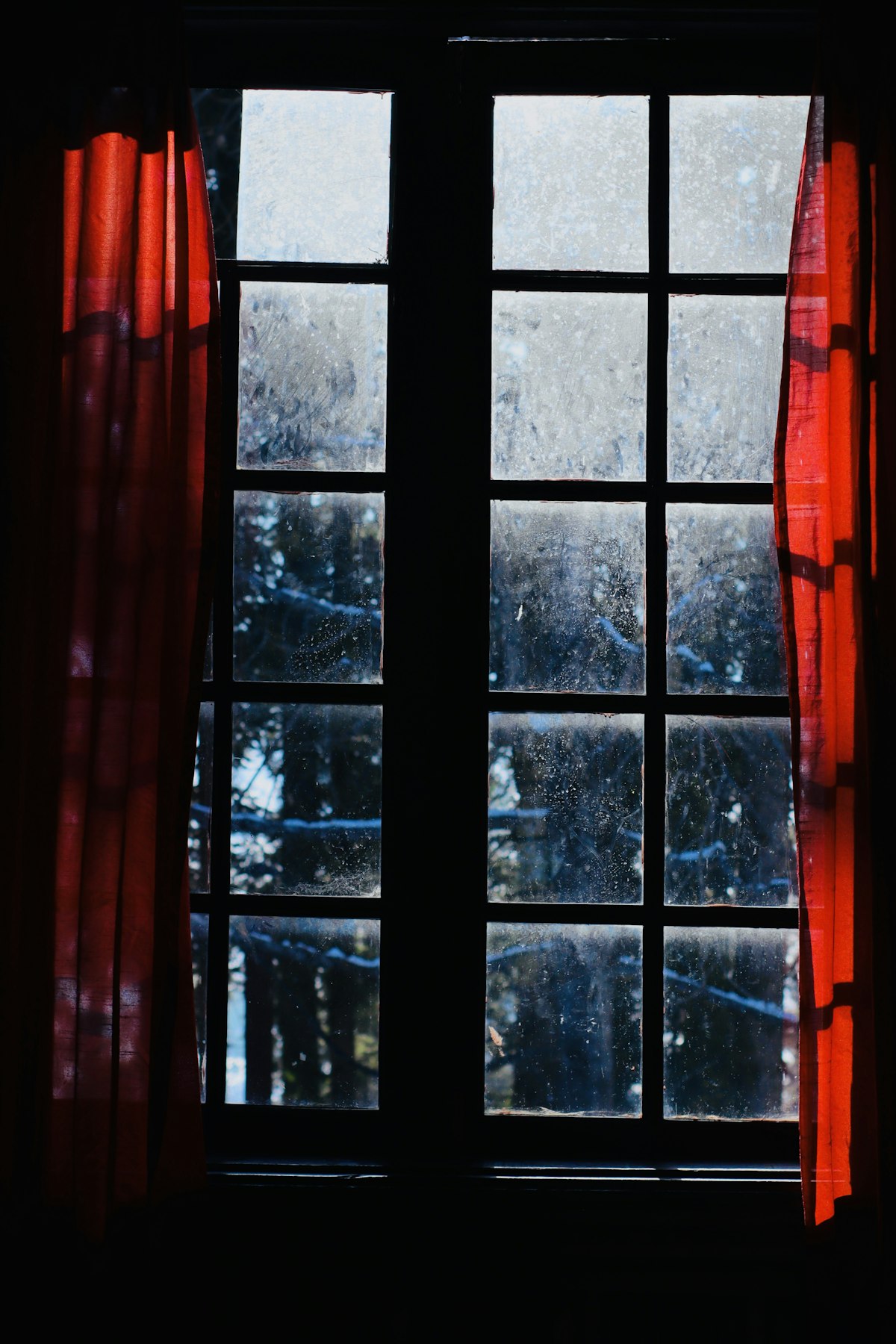
There’s a moment every summer weekend that explains a lot of bad Mondays: the sun clearing the buildings at 5:40, the bedroom going gold, and a sleeping person who had planned to sleep until nine starting to surface at six, confused, then awake, then checking the phone with resentment. The plan was to sleep in. The sun had other plans, and the sun wins, because morning light is the single strongest wake-up signal your bedroom contains.
Blackout curtains are the honest answer to that signal, and the reason they work is worth understanding before buying any, because it also explains their limits: they remove a pressure, they don’t build a schedule. This sits in the social jet lag guide territory, in the commercial corner of it, and the best version of the purchase comes after the best version of the plan.
Key takeaways
- Morning light suppresses melatonin and signals your clock to end the night, so it wakes you earlier than planned.
- Real blackout fabric, hung wide and high with edges sealed, beats room-darkening marketing claims.
- The practical darkness test: you shouldn’t be able to read a book page at midday.
- The morning-after fix matters: open curtains or use dawn light immediately on waking.
- Curtains remove a wake-up pressure; they don’t fix weekend drift. The one-hour window still does the work.
Why dawn light ends your lie-in early
The mechanism is your old friend from the science of social jet lag: light reaching the eyes suppresses melatonin, the hormone of biological night, and signals the circadian clock that the day has begun. That signal doesn’t just make you feel awake; it starts dismantling the chemistry of sleep itself, so the last two hours of a sun-flooded morning are shallow, interrupted, and shorter than the hours you planned.
This is why summer weekends betray lie-ins that winter weekends granted, and why the same bed produces a nine o’clock wake in February and a six-thirty one in June. The sunrise moved, your alarm-free window didn’t. Harvard’s time-isolation work established that the unprompted human clock drifts late and depends on morning light for its correction, which cuts both ways: light at the wrong hour, six in the morning on your free day, ends sleep you still needed, while light at the right hour is the very tool that keeps your weekly rhythm stable.
For the day-sleeping version of this problem, night workers sleeping through mornings, the standard is even starker, and the blackout bedroom for day sleep covers the foil-and-cardboard tier that shift workers need. This post is about the weekend lie-in, which asks less of the room but still asks.
What actually counts as blackout
The bedding aisle will offer you “room darkening,” which is marketing for partially dark, and partially dark is a word that means dawn still wins. Real blackout fabric blocks effectively all visible light, and the honest test is the book-page test: in the middle of the day, with curtains drawn, you shouldn’t be able to read a page. Most bedrooms that believe they have blackout curtains fail that test at the edges, because light leaks around the sides and over the rod with the enthusiasm of a gas under a door.
Three buying-and-hanging details do most of the work. Buy real blackout fabric rather than room-darkening weaves. Hang the rod wider and higher than the window frame, so the fabric extends past the glass on all sides and sits close to the wall, leaving no daylight corridors. And if a whole new set is beyond the budget, a blackout liner hung behind your existing curtains is the cheapest effective upgrade, often under thirty dollars and nearly as effective as the premium sets.
For the leaks that remain, the shift-work toolbox transfers directly: painter’s tape for stubborn gaps, and the hallway light strip under the door handled with a rolled towel, which sounds absurd and works. If your window faces a streetlamp or a rising sun with no mercy, the book’s day-sleeper standard, “cave-dark at one in the afternoon, which usually means covering the glass itself,” is the tier above curtains, but most weekend lie-in projects never need to go there.
The morning-after problem nobody mentions
Here’s the limit that turns good curtains into bad mornings: if the room stays cave-dark until your alarm, waking gets harder, not easier, because light at the end of sleep is the gentle machinery that raises you. Blackout both ends of the night and you’ve traded a dawn wake-up for a sledgehammer alarm in the dark, and many people who install blackout curtains report exactly this without connecting the cause.
The fix is to give the morning back deliberately. Open the curtains immediately on waking and let the daylight do its proper job, which is anchoring your rhythm, since a dark morning delays the very signal that keeps your clock honest. A dawn-simulating lamp is the luxury version, raising you with gradually brightening light rather than sound. The principle is the same either way: darkness belongs to the part of the night you’re protecting, and light belongs to the part you’re starting.
There’s a subtler trap on the schedule side. Blackout curtains that let you sleep until eleven every Sunday feel like a win in the moment and read, to your clock, as a weekly relocation to a later time zone, and you pay for it every Monday morning, for years, without ever leaving your bed. The curtains enable deeper sleep-ins; the one-hour weekend window, waking within about an hour of your weekday time, keeps the deeper sleep from becoming drift, and “inside that window, the sleep-in is medicine. Take it without guilt.” Curtains and window are a package deal.
The honest limits
Curtains will not fix a schedule that starts three hours later on free days, and no fabric can, because that’s a clock problem wearing a light problem’s clothes. They also can’t make a short night long: if you’re sleeping in late because bedtime is broken, the curtains protect the shallow tail of sleep while the repair still belongs to an earlier bedtime, since the first half of the night does the heavy restorative work. And the light that wakes you is only one rival for your lie-in; noise, heat, and a full bladder are all in the same tournament, which is why the best bedrooms address dark, cool, and quiet as a set.
The purchase itself deserves modest expectations: this is one of the cheaper, higher-payoff sleep upgrades, but it’s a supporting player. The main event is the schedule the curtains serve, and a dark room attached to a drifting week is a very comfortable way to stay jet lagged.
Frequently asked questions
Do blackout curtains actually help you sleep in later?
Yes. Morning light suppresses melatonin and signals the clock to end the night, so blocking it removes the strongest wake-up pressure in the bedroom. Darkened rooms reliably produce later, more continuous sleep than sun-flooded ones.
How dark does the room need to be?
Dark enough that you can’t read a book page at midday. Seal the edges and rod gaps, where most bedrooms fail, and a blackout liner behind existing curtains is the cheapest route to genuine darkness.
Is there a downside to a very dark bedroom?
Waking gets harder when the room stays dark until the alarm, since light at the end of sleep is the gentle riser. Open curtains immediately on waking or use a dawn-simulating lamp, so the morning gets the light signal the night was protected from.
Will blackout curtains fix my social jet lag on their own?
No. They remove a wake-up pressure, but weekend drift is a schedule problem. Pair the curtains with the one-hour weekend window so the better sleep-ins don’t become a weekly clock relocation.
What should I look for when buying blackout curtains?
Real blackout fabric rather than room-darkening, hung on a rod wider and higher than the window with clearance to sit near the wall. Measure first, and consider a liner behind existing curtains as the budget path.
The book behind this site connects the bedroom to the whole rhythm, and you can get it here.
This guide is educational, not medical advice. If sleep problems persist for months or wreck your days, a doctor is the right door.