Waking Up at 3 A.M.
7 Things to Avoid When You Wake at 3am
By Nora Vale · April 16, 2026 · 8 min read

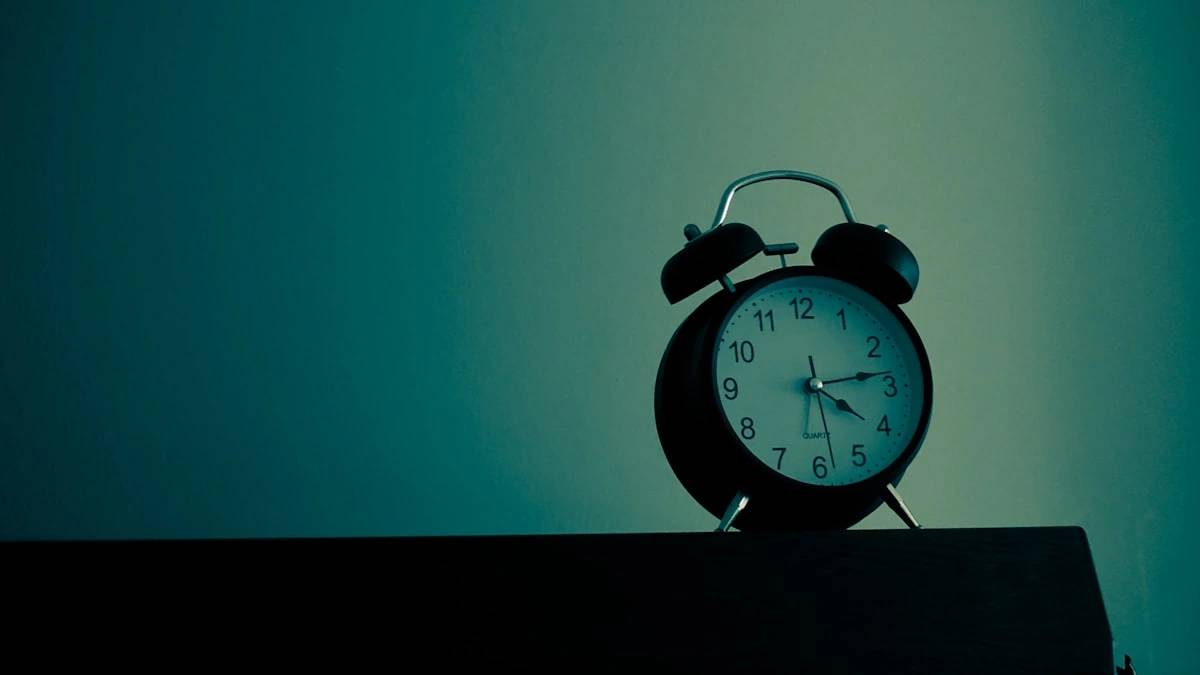
It’s 3:14 in the morning, and I’m doing arithmetic on the ceiling. If I fall asleep right now, I get four hours and forty-six minutes, which sounds almost respectable until I remember I’ve been telling myself “right now” since 2:40. That was me, for a decade, most nights. The waking was never the problem. What I did after the waking was the problem, and it took me an embarrassingly long time to learn the difference. The full middle-of-the-night protocol is in the guide to waking up at 3am, and this post is the list of moves I had to retire, one by one.
Key takeaways
- Waking at night is automatic, but almost everything you do next is a choice, and the choices are where all the trouble lives.
- By 3am your deep sleep is banked and cortisol is climbing, so the hour is shallow by design. It isn’t cursed.
- The worst moves at 3am all share one flaw: they turn a five-minute surfacing into a two-hour argument with yourself.
- The correct move is boring: no clock, no phone, and after twenty minutes, a dim room somewhere else until sleep returns.
- The dread of the next day always quotes a worse day than the one that actually shows up.
First, know what 3am actually is
Before the list, thirty seconds of mechanics, because the list makes more sense with it. Night runs in four to six cycles of about ninety minutes, and you surface briefly between them. By 3 a.m., your deep sleep is banked and your sleep pressure is spent, so what remains is lighter, REM-heavy sleep you can pop out of like a cork. Underneath that, cortisol, the alertness hormone, begins climbing around 2 or 3 a.m. toward its morning peak. Three in the morning isn’t cursed. It’s the shallow end of the pool.
A surfacing turns into a waking when something attaches to it, and the things that attach are specific enough to name. Here are the seven worth avoiding.
1. The clock check
The reflexive roll toward the nightstand is the worst move available at that hour, because the instant you know it’s 3:14, the math starts. The math is always the same flavor: hours left before the alarm, hours of sleep already gone, tomorrow getting mortgaged minute by minute while you watch. Sleep clinicians are blunt about the clock for exactly this reason: time math fuels arousal, which is backwards from what the checking is for. You check for reassurance and get a bill instead.
The fix costs a dollar and one minute of tonight: turn the display away, cover the glow, and if your phone is your alarm, rehome it beyond arm’s reach. The post on the phone as an alarm clock problem makes the full case, and a ten-dollar drugstore clock takes over the morning duty.
2. The phone grab
The phone deserves its own line item even after the clock is handled, because it’s usually the clock, the feed, and the alarm wearing the same case. It’s a light source aimed at your face during the shallow half of the night, a feed engineered to be more interesting than sleep, and a job, all in one rectangle. Brightness at that hour tells your body clock that morning has arrived, and every scroll pushes the return trip further away.
A phone charging in the hall has never once shown anybody the time at 3:17. If the phone’s other evening crimes interest you, the post on charging your phone outside the bedroom covers the whole relocation.
3. Trying to solve your life on the ceiling
The 3 a.m. brain is a catastrophizing machine running on a spent night and a rising cortisol wave, and its conclusions are drafts, not decisions. The pension math, the contract dispute, the thing you said in 2011, all of it lines up on the ceiling with the confidence of a board meeting. Nothing real gets solved there, and the solving is the trap.
My move at that hour is blunter than any technique: refuse the argument, and save the thinking for a version of you that’s had some sleep. If your nights bring real worries rather than generic static, the evening fix is the worry journal method, which closes the tabs hours before the inbox opens.
4. Lying in bed negotiating
Lying awake in bed feels like the diligent option, and it’s the one that trains the problem. Stay in bed struggling night after night and the bed becomes a cue for alertness, the way a dentist’s chair is a cue for dread before anyone turns the drill on. The method, called stimulus control, is the first-line treatment for chronic insomnia per the American College of Physicians, and it asks for an estimated fifteen to twenty minutes awake before you get up.
Go to another dim room and do something genuinely boring: a paper book under the dimmest lamp in the house, folding laundry, a crossword in pencil at the kitchen table. Return only when your eyelids start to drag. Hopeful doesn’t count as sleepy. The fuller argument for the exit is in the post on whether you should get out of bed when you can’t sleep, and the technique itself is laid out in what stimulus control is.
5. Turning on the bright lights
The exit from bed only works if the light stays low, because brightness is the single strongest signal your body clock accepts, and a bright kitchen at 3:30 reads as morning. The activity should be genuinely dull and genuinely dim. If your eyelids never drag, the method says get up again and repeat the cycle, without drama and without verdicts. The dim room is doing half the work of the whole protocol.
6. Drinking something, or checking whether alcohol was the cause
Two fluid mistakes live here. First, the midnight glass of water that becomes three trips to the bathroom; keep the bedside sip small. Second, and more important: if your wake-ups cluster after drinking evenings, the cause isn’t at 3 a.m., it was poured at ten. A nightcap buys sedation at 10:15 and often a wide-awake 2:40, and that trade is predictable biology rather than bad luck or weak character. The post on why alcohol wakes you at 3am runs the invoice, and the honest test is a week without the nightcap, logged.
7. The morning-after rescue mission
The last mistake happens after sunrise. The long lie-in feels like repayment for a broken night, and it works like a time-zone change by the weekend, rearranging your body clock and booking another rough night. The day-after medicine is boring: up on time, some daylight, a walk, no rescue fourth coffee at noon, and bedtime at the ordinary hour rather than an 8:30 retreat. The night after a bad one tends to run deeper and heavier than usual, your body collecting what it missed without asking for instructions. The system self-corrects. What wrecks the repair is the morning-after version of the ceiling math.
And carry one thought into the next 3 a.m.: the dread always quotes a worse day than the one that actually shows up. I can say that with the confidence of a person who has collected a good number of them and is still functional, employed, and mildly smug about it.
The honest limits
Now the flaw in all of it, because every protocol has one. The first week of this method feels like a defeat. You’ll spend more time awake, standing in a dim kitchen feeling absurd, and the temptation to quit will be specific and loud. Almost gave up myself. Progress started breaking around the second week, and that’s a data point about the training curve, not about your prognosis.
The line where the list stops applying: if you’re waking three or more nights a week, struggling to get back to sleep, for three months or more, and dragging through your days because of it, the pattern has a name, sleep-maintenance insomnia, and it responds better to structured treatment than to willpower or to any list. And if a partner says the snoring stops and starts, that’s a different flag entirely, and the post on signs of sleep apnea is the right door.
Frequently asked questions
Is waking up at 3am normal?
Yes. Waking at night is your body doing its job, and brief surfacings are standard equipment of human sleep. By 3am your deep sleep is banked and cortisol is starting its climb toward morning, so the hour is shallow by design, not cursed.
Why is checking the clock the worst move at 3am?
Time math fuels arousal, which is backwards from what the checking is for. The instant you know it’s 3:14, the math starts: hours left before the alarm, hours already gone, tomorrow getting mortgaged while you watch.
Should I grab my phone to make myself sleepy at 3am?
No, because the phone is a light source, a feed, and a job in one rectangle, aimed at your face during the shallow half of the night. Brightness tells your body clock that morning has arrived, and every scroll pushes the return trip further away.
Should I get out of bed when I wake at 3am?
After an estimated fifteen to twenty minutes awake, yes. Go to another dim room and do something genuinely boring until your eyes drag, then return only when sleep wants you back. Lying awake in bed trains the bed to mean alertness.
When is 3am waking a problem beyond habits?
When it happens three or more nights a week, you struggle to get back to sleep, and it lasts three months or more with a daytime cost. That pattern is sleep-maintenance insomnia, and it responds better to structured treatment than willpower.
If you want the whole middle-of-the-night playbook, it’s in Sleep, Finally. Tonight: turn the clock. That’s the whole assignment.
This guide is educational, not medical advice. If night waking is chronic, or breathing pauses are part of the story, a doctor is the right door.