
new parents: how to quiet a racing mind at night
A racing mind on four hours of sleep is biology, not failure. How new parents can quiet it: tiny routines, a worry page, and tools sized for interrupted nights.
A racing mind on four hours of sleep is biology, not failure. How new parents can quiet it: tiny routines, a worry page, and tools sized for interrupted nights.
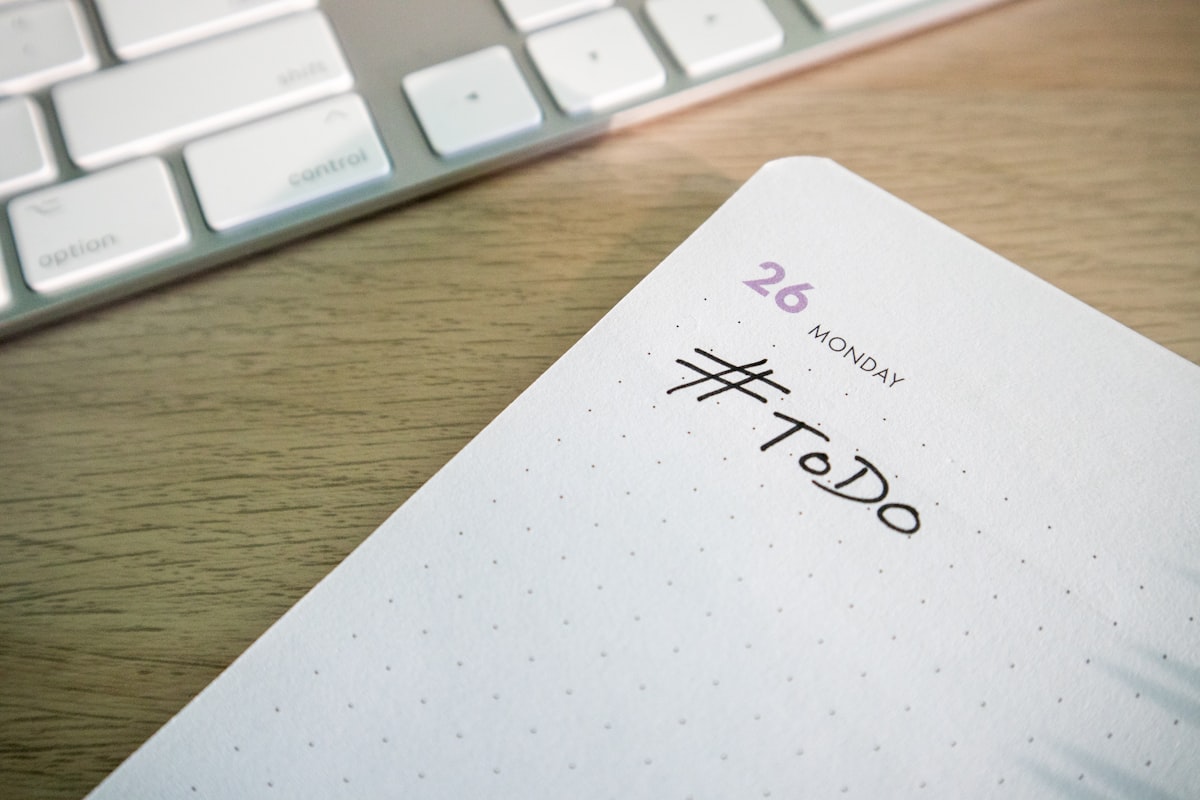
How to log off late work without dragging the inbox to bed: the ninety-second closing ceremony, the worry page, and the border your brain actually needs.

The nighttime to-do list isn't bad discipline, it's an open loop hunting an appointment. Why tasks surface at midnight, and the paper fix that closes them for good.

Six bedtime ritual mistakes anxious sleepers make, from over-built routines to midnight journaling. Why effort backfires and what to shrink instead.

A 10-minute wind-down for anxiety that holds up on bad nights: dim the room, one long physiological sigh, then a worry page or a cognitive shuffle, honestly ranked.

Arguments replay at night because silence hands worry the stage. The mechanism, why midnight versions are bigger, and the tools that actually retire them.

Does paradoxical intention work for insomnia? The strange advice to try to stay awake, where it came from, what the evidence says, and when it backfires.
Overthinking after argument keeps the fight on a loop past bedtime. Why the brain replays it, why effort backfires, and the two tools that end the loop.

Trying to stay awake to fall asleep sounds absurd, but paradoxical intention is a real insomnia tool. How to do it, why effort backfires, and when to skip it.

What is paradoxical intention? The stubborn-night trick where you gently try to stay awake, draining the sleep effort that keeps you up, with the research behind it.