Sleep Red Flags & Help
Why Untreated Apnea Makes Driving Dangerous
By Nora Vale · August 25, 2025 · 8 min read
Frank lived two floors below me for three years and I never once saw him sleepy, which is the detail I keep returning to. He was the life of every hallway conversation, claimed he could sleep anywhere, and drove a delivery route that started at 5 a.m. It was his wife who noticed the silences, fifteen seconds, twenty, then a gasp. It took a home sleep study and one page of results to explain a decade of what everyone, including Frank, had filed under “just tired.” This post is about the part of that story that could have ended very differently: the 5 a.m. start, the long road, and the sleepiness nobody could see. I’m not a doctor and nothing here diagnoses anyone; what follows is the pattern medicine already knows. The full list of warning signs lives in the sleep red flags guide.
Key takeaways
- Untreated apnea fragments sleep every single night, and the accumulated sleepiness doesn’t announce itself, including at the wheel.
- The evidence links untreated apnea with elevated crash risk, and treatment with reduced risk.
- The daytime story is the flag: enough hours in bed, never refreshed, coffee that stopped working, fighting sleep behind the wheel.
- “Recognition is not diagnosis. It’s a door.” The next step is a doctor, not a self-verdict.
- A seven-day log and a partner’s notes turn “I’m always tired” into something a doctor can use.
Why the sleepiness you can’t feel is the dangerous kind
Apnea works by repetition. The airway softens, breathing stops, the brain triggers an arousal to restart it, and the sleeper rarely remembers any of it. Ten to twenty seconds at a time, dozens of times a night, and the architecture of sleep gets shredded into fragments small enough that eight hours in bed can contain very little actual sleep. The book’s Frank, two floors down, was suffocating politely, eight hours a night, and the politeness was the trap, because nothing about his nights looked wrong from the outside.
Here’s what makes the driving risk specifically cruel: the sleepiness this produces is chronic, so your brain recalibrates. Chronically sleepy people stop noticing they’re sleepy; tired becomes the water they swim in. They’ll swear they feel fine at 6:30 a.m. on the highway, and they do feel fine, the way someone feels fine carrying a weight they’ve held so long it’s invisible. Then a warm cab, a monotonous road, and the body collects on years of fragmented nights in a few seconds of micro-sleep.
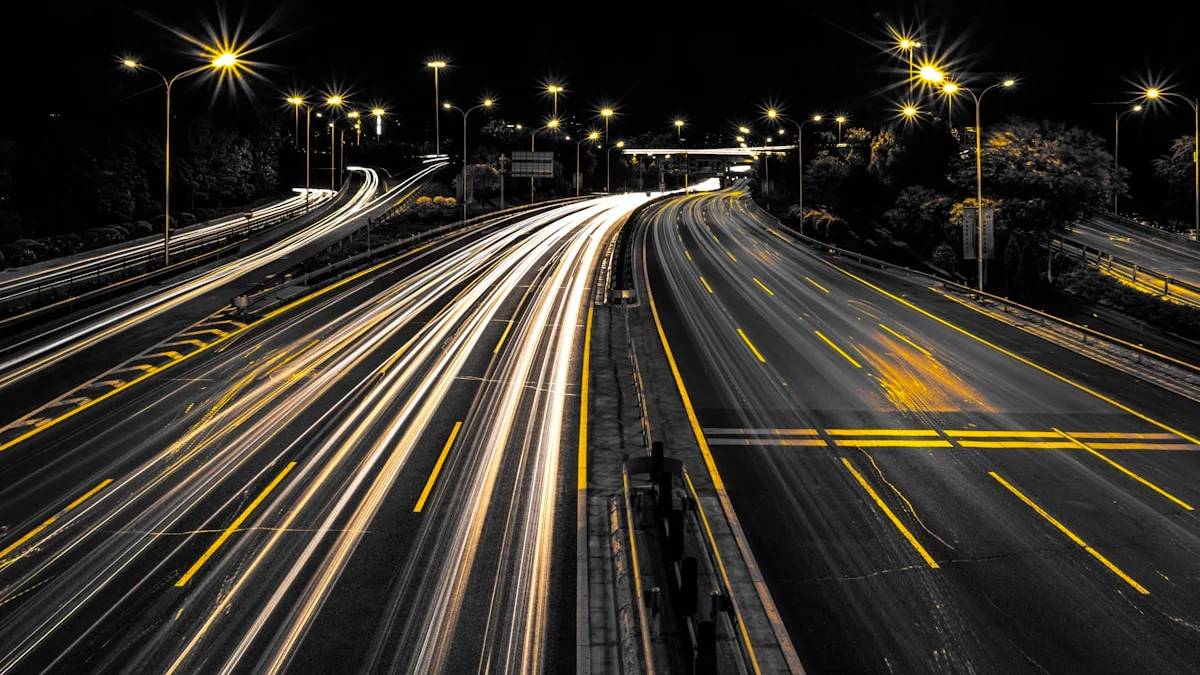
The arithmetic of those seconds is the whole argument. At highway speed, four seconds of sleep covers the length of a football field. Nobody chooses to fall asleep at the wheel. The road just quietly borrows seconds from a brain that has none to lend, and the crash, when there is one, is described afterward as “for no reason.”
What the evidence actually says, without the scare sales pitch
The American Academy of Sleep Medicine estimates around thirty million US adults have obstructive sleep apnea, and roughly eighty percent of them have never been diagnosed. Research comparing crash rates finds people with untreated apnea at elevated risk across a substantial body of studies, and finds that treatment, most commonly CPAP, is associated with reduced crash risk among those who use it. I’m reporting the shape of the evidence, not quoting a percentage at you, because the honest range varies by study and severity, and because “you probably have apnea” is a sentence I will never write.
What the evidence doesn’t say is that everyone who snores is a hazard, or that one bad night means a sleep study. The picture that matters is the pattern, and it has recognizable pieces: loud chronic snoring, witnessed pauses with a gasp or snort as breathing slams back on, waking unrefreshed no matter how long you stayed in bed, and fighting sleepiness during the day in a way that coffee no longer rescues. “Any one piece alone can be ordinary. The trio deserves a doctor.”
The part nobody tells you about being tired at the wheel
Drowsy driving has a cruel difference from drunk driving: there’s no breathalyzer for it, no external test, and often no memory of falling asleep. People killed in drowsy-driving crashes frequently never braked, because the sleep arrived without announcement. And the folk defenses, the open window, the loud radio, the caffeine, are worth exactly what they cost, which is minutes. Caffeine can blunt sleepiness for a short window, and it can’t repair a night that never happened.
There’s also a false comfort specific to this topic: the claim that years of tired driving and a clean record prove safety. Survivorship does a lot of quiet arguing. The years you drove tired and arrived don’t prove you’re safe; they prove you haven’t met the wrong five seconds yet. Frank drove for a decade. The gap between his record and his risk was luck, and he’s the first to say so now.
What to do with this, in order
First, run the pattern honestly, tonight, not against a quiz but against the list: snoring with pauses, unrefreshing sleep, daytime sleepiness, morning headaches, coffee that stopped working. If you or your partner recognize the combination, the task is an appointment, not a supplement and not a self-diagnosis.
Second, bring evidence. A seven-day sleep log, ninety seconds every morning, converts “loše spavam” into something a doctor can work with: minutes to fall asleep, night wakings, last caffeine, how the day felt. A partner’s written notes about pauses and gasping beats any adjective, and a phone recording of the snoring over one night is admissible reality. “Doctors work in minutes. Evidence respects their time.”
Third, be careful with the transition period. If a doctor does diagnose apnea and you start treatment, there’s an adjustment stretch, and the driving caution applies until treatment is actually working for you, which is a question for the clinician who knows your severity, your job, and your road. And if you drive for a living, this conversation matters doubly, both for your safety and because many licensing regimes treat untreated apnea seriously, which is another reason to meet it on purpose rather than by surprise.
“Making the appointment is not the failure.” I’ve written that before and I’ll write it as many times as it takes, because the shame-culture around self-help teaches people to grind through months of bad nights with the signs on the table, and that grind is usually a failure of information, not character.
Where self-help ends, stated plainly
This is the boundary of everything my site can do. Self-help can retrain a wind-down, retune a bedroom, re-time a body clock. It cannot open a closed airway. No routine out-argues an untreated condition sitting underneath your nights, and no breathing exercise compensates for seconds of sleep behind the wheel. If the pattern above describes you or someone you sleep next to, the doors are a doctor, possibly a sleep study, and a treatment plan, and the book’s honest role ends at pointing at the door. The broader flag list is in signs of sleep apnea, the companion road piece for night workers is drowsy driving warning signs after a night shift, and the full system is in Sleep, Finally. Make the call. Bring the seven days.
Frequently asked questions
How does sleep apnea make driving dangerous?
It fragments sleep every night with breathing pauses and micro-arousals you don’t remember, so real sleep shrinks while time in bed stays normal. The accumulated sleepiness becomes your baseline, invisible to you, and it surfaces as micro-sleeps during monotonous driving. A few seconds asleep at highway speed covers a football field, and elevated crash risk is what the research finds for untreated apnea.
What signs suggest my daytime sleepiness might be apnea-related?
The combination doctors look for: loud chronic snoring, pauses and gasps a partner may have witnessed, waking unrefreshed despite adequate hours, fighting sleepiness during the day, coffee that stopped working, morning headaches. One piece alone can be ordinary. The trio deserves a doctor, and the appointment is the next step, not a verdict.
Should I stop driving if I suspect apnea?
That’s a decision to make with a doctor, because severity and situation vary enormously, and only a clinician who has evaluated you can weigh the risk for your specific case. What’s universally true: monotonous drives at your sleepiest hours carry the most risk, and the folk defenses don’t move the needle. Getting evaluated sooner shrinks the window of uncertainty.
Does treatment really lower the risk?
Studies consistently associate treatment, most commonly CPAP, with reduced crash risk among people who use it, along with the more obvious benefits like daytime alertness and mornings that work. Treatment has honest adjustment costs, which is exactly why the evaluation and the plan belong with a clinician. “The doctor fixed the disease. This book fixes the floor the disease was standing on.”
What do I bring to the appointment?
A seven-day sleep log, your partner’s notes on pauses and gasping, a list of everything you take including supplements, and the daytime story in plain sentences: when the sleepiness hits, whether coffee works, any near-misses. “Skip the apology. Say the sentence.” Doctors work in minutes, and evidence respects their time.
Make the call. Bring the seven days. The full flag list and the log template are in Sleep, Finally.
This guide is educational, not medical advice. Nothing here diagnoses anyone, and only a clinician can evaluate your risk. If you recognize the pattern, the appointment is the next step.