Alcohol & Sleep
Why Snoring Gets Worse After a Drink or Two
By Nora Vale · August 24, 2025 · 7 min read
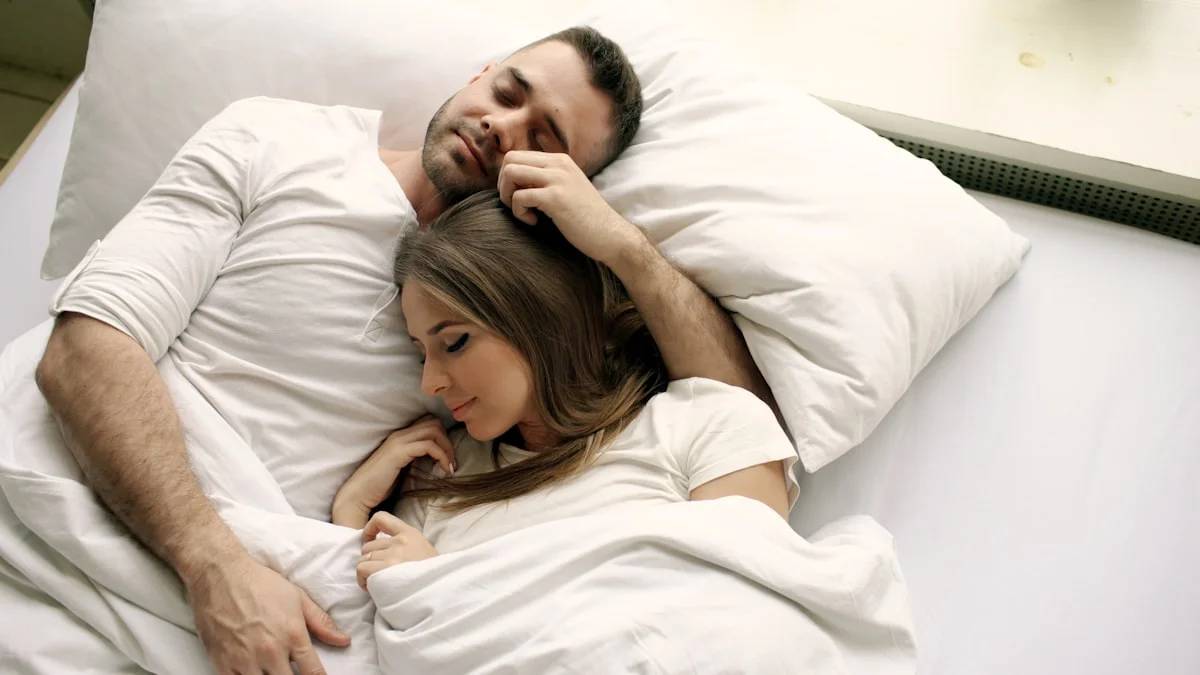
My husband informed me of this at a dinner party, with the confidence of a man quoting his own experience: after two glasses of wine, he tells me, I snore “like a small engine that won’t start.” I had never once heard myself snore, so the evidence was hearsay. It was also, annoyingly, correct biology, and if you’ve been told the same thing after a drink or two, there’s a real mechanism behind the complaint, not just a partner with grievances.
The wider story of what alcohol actually does to a night lives in the alcohol and sleep guide. This post is just the airway, because that’s where the noise comes from, and the mechanism deserves a straight explanation.
Key takeaways
- Alcohol relaxes the tongue and throat muscles that hold your airway open, so the airway flops and the snore arrives.
- It also congests the nasal passages, adding a second, smaller cause on top.
- The effect is strongest in the first half of the night, when the alcohol level is highest.
- Snoring that includes pauses and gasps is apnea territory, and alcohol makes apnea worse.
- Fewer drinks, earlier, with food is a legitimate stair-step, not a consolation prize.
The airway is a muscle problem
Snoring is a vibration problem, and vibration needs loose tissue. The muscles in your tongue and throat have exactly one job while you sleep, keeping the airway propped open, and they do it quietly all night for most people. Alcohol is a sedative, and sedatives don’t check credentials before relaxing a muscle. They reach the tongue and throat along with everything else, the airway loses some of its scaffolding, and the tissue starts fluttering with every breath.
That’s the main event, and it explains the strangest part of the phenomenon, which is people who never snore snoring after a couple of glasses. The anatomy didn’t change. The muscle tone did. Two glasses is enough to soften the scaffolding, which is why the dinner party voice drops and the bedroom soundtrack starts on the same evening.
There’s a second, smaller contributor: alcohol congests the nasal passages. A stuffy nose pushes you toward mouth breathing, and mouth breathing is snoring’s preferred format, because the soft palate and tongue are easier to set vibrating when air is taking the wide road. Either cause alone makes noise. Together they explain why the effect is so reliable, and why bed partners have been keeping the most accurate sleep data in the house for centuries and calling it complaining.
The timing matters as much as the amount
The liver clears alcohol at roughly one drink per hour, steady as a metronome and completely indifferent to your plans. That schedule decides when the snoring is loudest. Drink at seven with dinner, and by eleven the sedative is mostly processed, and the airway has its muscle tone back. Drink at ten as a nightcap, and peak relaxation lands exactly on your first hours of sleep.
This is why the same two drinks can behave differently on different nights. A wine at 6 p.m. barely touches the night. The identical wine at 10 p.m. gets a review from the next room. If you’re trying to figure out whether alcohol is your snoring’s cause, the clock is half the experiment, and it’s the half people forget because the drink feels the same at either hour.
The honest fix, if the noise is the problem, follows directly from the schedule: move the drinks earlier and make them fewer. Same total, different timing, and the airway spends its relaxed hours while you’re still upright. That’s a legitimate stair-step, not a failure to quit properly. The book this site is built on says it plainly: fewer, earlier, with food, and it doesn’t do scolding.
When snoring is more than snoring
Now the part I’d rather say once and clearly than dance around. Some snoring is a symptom, and alcohol makes the symptom worse. Loud, chronic snoring, night after night, paired with pauses in the snoring, ten seconds, twenty, then a gasp or a snort as breathing slams back on, is the signature of obstructive sleep apnea. Alcohol deepens the relaxation, so it lengthens the pauses and makes the whole pattern more dramatic, which means heavy drinking can turn a quiet apnea into a loud one.
If that combination sounds familiar, from either side of the bed, the drink isn’t the whole story, and dry nights that still snore with pauses deserve a doctor. Around thirty million US adults have obstructive sleep apnea by American Academy of Sleep Medicine estimates, and roughly eighty percent of them have never been diagnosed, so the odds that a chronic snorer in your house is one of them are not small. Caught, it’s one of the most treatable conditions sleep medicine has. The signs of sleep apnea post lists the full flag set, and do I have sleep apnea quiz is the self-check version.
The partner’s sentence from the book, the one that works better than three nights of hints, is worth borrowing: that the snoring scares you a little, and you read it can mean something worth checking. It’s true, it’s kind, and it points the problem at a doctor instead of at the edge of the mattress.
What the non-snoring half of the bed can do tonight
You can’t relax someone else’s tongue, so work the noise instead. Foam earplugs fitted properly, rolled tight, ear pulled up and back, held until they expand, turn a snore into a rumor. A steady fan underneath blurs the on-off pattern, which matters more than the volume, because it’s the change in sound that drags you up out of sleep, not the sound itself. The how to sleep with a snoring partner guide covers the layering in detail.
And keep the resentment aimed at the mechanism, not the person, because the person didn’t choose their muscle tone any more than you chose your hearing. If alcohol is turning your bed partner into a machine with a failing starter, the two-week experiment of earlier, drier evenings will tell you more than any elbow ever did. The why do I wake up at 3am after drinking territory is the same mechanism from the sleeper’s side, and why does alcohol make snoring worse covers the wine-specific version of the night.
Frequently asked questions
Why does alcohol make snoring worse?
It relaxes the tongue and throat muscles that hold your airway open, and it congests the nasal passages. Loose tissue plus a stuffy nose equals flutter, and flutter is snoring. The effect shows up at ordinary doses, which is why people who never snore will snore after a couple of glasses.
Does the timing of drinks matter?
Yes, because the liver clears about one drink per hour. Drinks finished by early evening let muscle tone recover before you lie down, while a 10 p.m. nightcap puts peak relaxation exactly on your first hours of sleep. Same amount, different night, and the bed partner can tell.
Will cutting back stop the snoring?
If alcohol is the main cause, moving drinks earlier and making them fewer usually quiets the night considerably within a couple of weeks. If loud snoring with pauses continues on dry nights, the snore has a second cause, and that one belongs with a doctor.
When is snoring a medical problem?
When it’s chronic and loud, especially with witnessed pauses, gasping, or choking, or with morning headaches and days that never quite arrive. Those point toward sleep apnea, and alcohol makes it worse. That combination deserves a sleep study, not another pillow.
What helps the person next to the snorer tonight?
Well-fitted foam earplugs plus a steady fan, which masks the on-off pattern that actually wakes you. Beyond tonight, the plain sentence about getting checked does more for the relationship and the airway than any elbow, and it’s the most useful nudge you’ll deliver this year.
The snore after two drinks is predictable biology, not bad character, and predictable biology responds to schedule. Move the glass, shorten the evening version, and let the airway keep its scaffolding. The whole story of the night the drink borrows is in the Quiet Core Reset.
This guide is educational, not medical advice. If sleep problems persist for months despite sane evenings, see a doctor.