Wind-Down Routines
Why Scrolling Keeps You Awake After Lights Out
By Nora Vale · May 10, 2025 · 7 min read
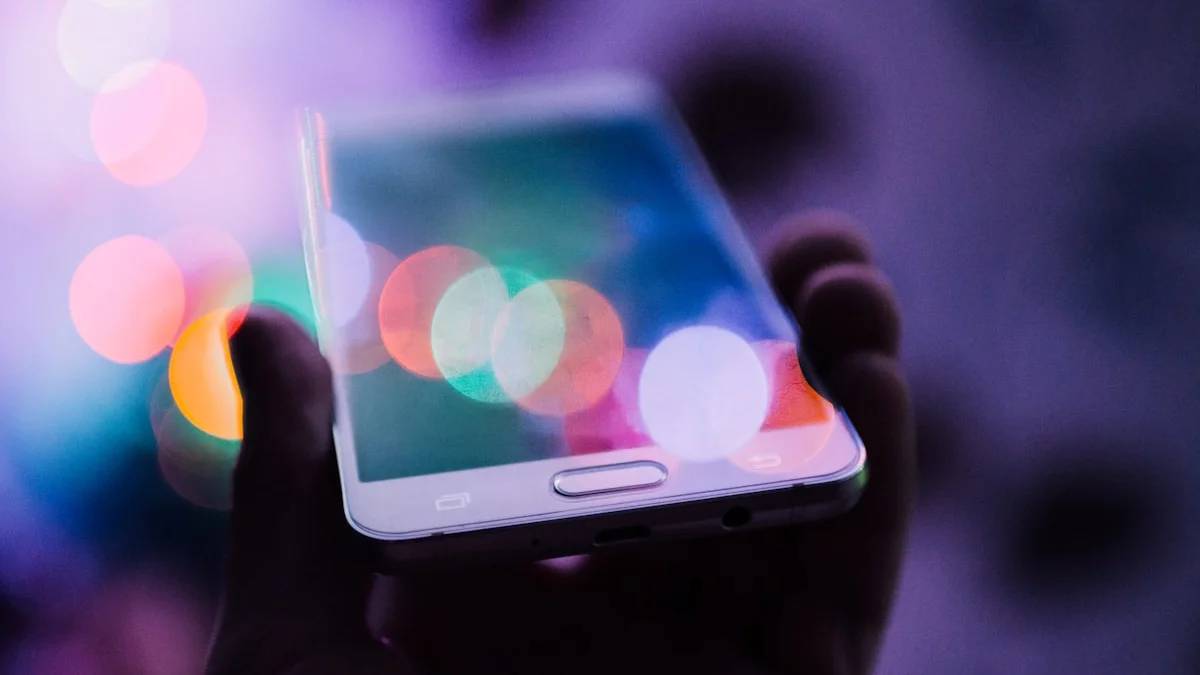
The scene is so common it’s almost a lullaby now: lights off, lamp clicked, head on the pillow, and then, without anything you’d call a decision, the phone lights up your face in the dark. Forty-five minutes later you put it down and wonder why sleep suddenly feels far away. I did that nightly for three years. The answer isn’t a mystery, and it isn’t only the light, and the fuller picture sits in the wind-down routine guide, which is where the hour before sleep finally got a shape.
Key takeaways
- The phone is two thieves working together: light and content, and lights out doesn’t dismiss either one.
- Light is the smaller thief. Content and time do more damage than blue light ever gets blamed for.
- Scrolling pushes your wind-down later and delivers alertness at the exact hour sleep needs boredom.
- The boring fix, a real alarm clock and the phone charging elsewhere, beats every app and setting I tried.
- If the phone is a lifeline at night, plan the exception instead of pretending the rule will hold.
Why scrolling keeps you awake after lights out
Here’s the frame that finally made it make sense: “the phone is two thieves working together,” and I had spent years chasing only the famous one. Thief number one is light. A phone is “a small sun you hold about a foot from your face,” and photons arriving after dark tell the ancient timing equipment in your brain that the day is still running, so melatonin, the hormone that starts opening the door to sleep, holds off until the light goes away.
Thief number two is the job. The phone isn’t a fireplace you stare into; it’s “a slot machine that asks your brain a question with every swipe,” and your brain answers even when you’d rather it didn’t. Is this worth replying to. Should this annoy me. Who liked my photo. Each answer is small, and each one is a small dose of alertness, which is the exact opposite of what eleven at night is for.
The two work as a team. The light thief makes you less sleepy at the hour sleepiness should be arriving. The job thief pushes your bedtime later, then hands you a mind idling too high to use what’s left of the night. Between them they eat it from both ends, and the whole time the phone looks innocent, because it’s just a rectangle of glass sitting there being useful.
The blue light story, deflated
I bought the blue-light glasses. They did roughly nothing, and the honest science explains why. In 2015, researchers at Brigham and Women’s Hospital ran the experiment everyone keeps quoting: people read for hours before bed, some on light-emitting tablets and some on paper, and “the tablet readers’ melatonin arrived about ninety minutes late.” They took longer to fall asleep and their clocks shifted later. Real effects, and worth respecting.
But look at the dose, because the dose is the story. That result came from hours of bright, close-range light held about a foot from the face, night after night, not from a last check of tomorrow’s weather. Meanwhile an hour of evening daylight delivers more light to your body clock than an entire night of scrolling. Dimming your screens and switching on night mode after dark are worth doing because they cost nothing. Anyone selling you a glasses-and-panic package is overselling the light while the bigger thief walks out the front door with your whole night.
The glasses went in a drawer years ago. The phone went to the kitchen. Only one of those two moves ever helped.
What the scroll costs your wind-down
The deeper damage isn’t measured in lux, it’s measured in what the scroll does to the last hour of your day. A wind-down works by repetition, the same dim, dull sequence each night until your body reads it like a sentence it knows by heart. Scrolling is the anti-sequence: no order, no ending, and no natural point where the day closes. If the content wakes your mind up, it barely matters that the screen is dim, and if the feed eats forty-five minutes, no night-mode setting hands them back.
Tyler’s night is the one I think of most. At 10:50 he got into bed to check the weather for a morning run. While the phone was open, the news happened, then the replies, then a clip of the game he’d missed. At 11:37 he looked up at the ceiling doing the math on six hours of sleep, with no memory of most of the previous forty-five minutes. Ask him what he got out of it and he’ll tell you the truth: nothing. Nobody enjoys it.
That’s the part worth being angry about. The scroll keeps going because every swipe carries a maybe, and an unpredictable reward is the most compelling kind there is. “Thousands of very good engineers, with bonuses tied to his thumb, refined that design for a decade. Tyler wasn’t weak. He was outnumbered.” The feed steals time rather than quality, so smoothly that the theft doesn’t feel like anything while it’s happening.
The fix is boring, and it costs ten dollars
“The highest-yield screen rule I know, the one that changed my nights more than any glasses, app, or setting, costs about ten dollars.” You buy a real alarm clock. The phone stops sleeping next to you and charges in the kitchen, plugged in beside the fruit bowl, and it goes there when the wind-down starts, not later when you’re already in bed negotiating with yourself. Decisions made at 11 p.m. with a warm phone in your hand resolve about as reliably as decisions to have one more drink. Decide at nine where the phone sleeps, and the eleven o’clock version of you never gets a vote.
The first few nights feel strange, like part of your hand is missing. You’ll reach for the nightstand around 10:15 out of pure reflex and find a lamp. Sit with that. Then something quietly good happens: the bed gets boring, and boring is the on-ramp to sleep. A bedroom with no feed in it turns out to be a room where a tired person can finish the thought called sleeping, because nothing in it is asking questions.
The screen habits that survive the cut share a test with two questions: can it end on its own, and does it come with a feed. A paper book passes. An e-reader with the front light low passes. An audiobook with a sleep timer passes. A phone displaying a book has an entire arcade one swipe away, and at 10:40 you know exactly which one wins. If the whole move feels too big right now, charging it across the room is an honest first step, and my post on why you should charge your phone outside the bedroom covers the logistics. The hole the scroll leaves behind is real too, and what to do the hour before sleep is how you fill it on purpose.
When the phone is your lifeline
Now the flaw in the rule, because there is one, and pretending it away is how good rules get abandoned by Wednesday. For plenty of people the phone isn’t primarily a feed; it’s the only live connection to other humans they have at night. A sister three time zones away whose daytime is your midnight. A partner on the road. A group chat that only gets good after ten. That’s real, and any advice that shrugs at it deserves the eye-roll it gets.
If that’s your situation, a bare docking rule will lose to the thing the rule ignores, and it should, because the rule solved the wrong problem. What works instead is a replacement, planned in advance instead of improvised at 10:30. Move the good part of the conversation earlier and say so out loud; “I’m gone after ten” is a sentence adults are allowed to send. Most phones can be told to let exactly two names through after a set hour, which keeps the lifeline and kills the feed. The phone can sleep in the hallway with the ringer up, close enough for a genuine emergency, far enough that the feed needs shoes.
A rule you keep beats a rule you admire. Figure out what the phone is actually giving you at night, then find it another home.
Frequently asked questions
Why does scrolling keep me awake even after I turn the lights off?
Because the phone is two thieves working together. One is light aimed at your face during hours your body expects dusk, and the other is content that doses you with small alertness on every swipe. Lights out doesn’t undo either one if the phone came to bed with you.
Isn’t it mostly the blue light?
The light is real but it’s the smaller thief. The tablet experiments involved hours of bright close-range reading, not a single weather check. Content and time are where the night goes, and no night-mode setting hands stolen minutes back.
How long before bed should screen time stop in my wind down?
A reasonable target from the sleep research world is minimal screen use across the two or three hours before bed. The line I’d actually draw is feeds rather than photons: nothing with an infinite scroll in the final hour, even dimmed, even in a warm sepia glow.
What if my phone is my only connection at night?
Then plan the exception instead of pretending the rule will hold. Move the conversation earlier, allow two names through after a set hour, and let the phone sleep in the hallway with the ringer up. A rule you keep beats a rule you admire.
Why do I scroll even when I’m exhausted?
Every swipe carries a maybe, and unpredictable rewards are the most compelling kind there is. Teams of engineers spent a decade tuning that design against your willpower. Losing track of time in it isn’t weakness. It’s what the machine was built to do.
The feed refills itself overnight, every night. It will wait with the same appetite at seven a.m. that it had at eleven p.m. The full argument is in Sleep, Finally. Your sleep window is the only thing in the arrangement that closes.
This guide is educational, not medical advice. If trouble falling or staying asleep keeps you up three or more nights a week for three months or more, that pattern has a name and a treatment, and a doctor is the right door.