Screens & Sleep
Why Screen Content Keeps You Awake More Than the Light
By Nora Vale · March 11, 2026 · 7 min read
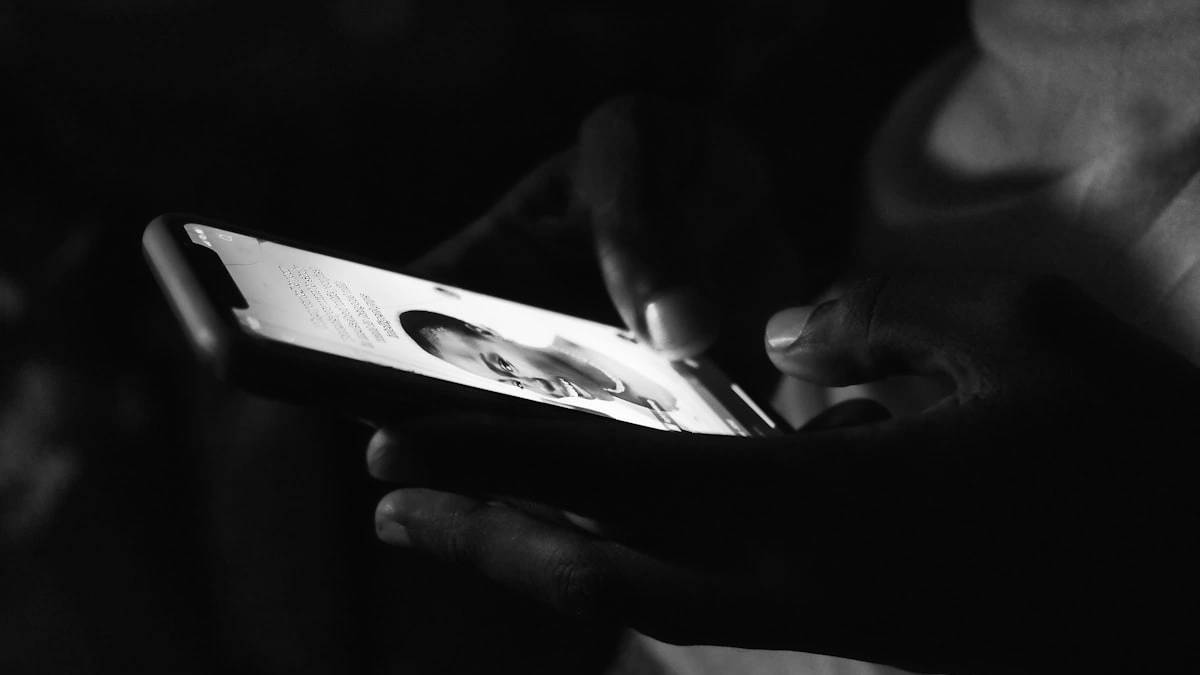
A man in the book, Tyler, got into bed at 10:50 to check the weather for a morning run. At 11:37 he was staring at the ceiling doing sleep math, with no memory of most of the previous forty-five minutes. The weather check cost him an hour, and not one lux of it was about the light. His phone spent that hour asking him questions, and every question came with a maybe attached.
That story rearranged how I think about screens at night, because it separates two thieves we’ve been lumping together. The full chapter is in the screens and sleep guide, and this post is about the bigger thief: the reason screen content awake at midnight costs more than brightness ever did.
Key takeaways
- The phone is two thieves working together: light and content. Content steals more.
- Night mode treats the small thief only. A dimmed feed is still a feed.
- The feed is a slot machine that asks your brain a question with every swipe.
- An inbox in bed is a night shift with worse hours.
- The test for any bedtime screen: can it end on its own, and does it come with a feed?
The light story is real but small
Credit where due, because the light half isn’t fake. A phone is a small sun you hold about a foot from your face, and bright close-range light in the evening does push your clock around. The famous 2015 Brigham and Women’s Hospital study found the tablet readers’ melatonin arrived about ninety minutes late. That’s a real finding, and I bought blue-light glasses on the strength of headlines like it.
But read the dose. Those tablets were hours of bright, close-range light, not one glance at tomorrow’s forecast. Evening daylight outdoors dwarfs anything a phone emits, which is why I walked around amber-tinted for a season while the actual thief sat in my pocket untouched. Night mode is worth turning on, and I explain exactly what it can and can’t do in night mode does it help. It’s a half-measure aimed at the smaller thief, and most popular advice defends the smaller thief while the bigger one walks out the front door with your whole night.
What content actually does to a tired brain
Now the bigger thief, and why a dimmed screen running a doomscroll costs you a full night’s cooperation. The feed is a slot machine that asks your brain a question with every swipe: is this interesting, is this outraging, is this about me. Each swipe carries a maybe, and unpredictable rewards hold attention more firmly than guaranteed ones. Nobody chooses forty-five minutes of it. The design chooses you, and thousands of very good engineers, with bonuses tied to his thumb, refined that design for a decade. Tyler wasn’t weak. He was outnumbered.
The other content thief is quieter: the inbox, the group chat, the work message that arrives at 10:15. That’s not entertainment asking questions; that’s obligations opening files. If the content wakes your mind up, it barely matters that the screen is dim, and if the feed eats forty-five minutes, no night-mode setting hands them back. An inbox in bed isn’t leisure. That’s not a light problem. That’s a night shift with worse hours. The specific spiral of reading bad news at midnight has its own post in blue light and sleep what’s true, and the plain scrolling version is in why scrolling keeps you awake.
The two-question test for anything on a screen
Here’s the filter I now apply to every evening screen, and it fits on a sticky note: can it end on its own, and does it come with a feed. A paper book passes both, an e-reader with no apps passes, a film with auto-play off passes, and anything with infinite scroll fails no matter how warm its color temperature. The test isn’t about screens, really. It’s about whether the thing has a built-in next.
The auto-play half is a two-minute fix, which is why it outranks most sleep advice on effort-per-result. Auto-play is a setting, not weather. Megan in the book watched the credits roll, heard the countdown, and met a man digging a hole in a forest at 12:40, three episodes past her plan. She turned auto-play off, kept the show, and the first reclaimed twenty minutes went to a paper book. Old episodes can’t ambush you; you know who dug the hole.
What to do with the reclaimed half hour
The rule that beats every app timer is structural: no feed in the last hour, and the phone docks itself. The highest-yield screen rule I know, the one that changed my nights more than any glasses, app, or setting, costs about ten dollars: an alarm clock and a charger in another room. My post on should i charge my phone outside the bedroom walks the setup, and the first night without a phone at arm’s reach gets its own honest accounting in phone as alarm clock problem.
Then fill the hole on purpose, because an empty hour gets repopulated by the feed by Wednesday. One thing for the body, one for the mind, one for the room, in the same order each night. The menu borrows from the wind-down chapter wholesale, and the starter version is in how to wind down before bed. The feed will still exist at 7 a.m. Your sleep window won’t.
The honest limits
I keep one exception myself, a friend who works nights and texts at eleven, and the honest version of this post has to say so. For people whose phone is the night’s only lifeline, a sibling three time zones away, a partner on the road, the bare rule loses to reality, and the fix is a designed exception rather than a broken rule: two allowed names, conversations pulled earlier, ringer on through the wall. That version, plus the rest of the harm-reduction kit, follows the same principle as the wind-down: design the exception, don’t drift into it. None of this fixes a mind that races without a screen, which is a different thief I cover in racing thoughts when trying to sleep. And the docking move alone won’t survive a household that drifts; the adults go first, or the basket reads as hypocrisy from another zip code.
Frequently asked questions
Does screen content matter more than screen light?
Yes. Light does its damage through the eyes and clocks, and it’s real, but content does more: a feed keeps the mind answering questions, an inbox opens work files, and a cliffhanger auto-plays past your bedtime. Screen content awake at midnight is the bigger thief, and brightness settings don’t touch it.
So is night mode useless?
No, it’s just incomplete. It dims the smaller thief, and that’s worth a minute of setup. But if the content wakes your mind up, it barely matters that the screen is dim, and if the feed eats forty-five minutes, no night-mode setting hands them back.
Why can’t I stop at one video or one swipe?
Because each one carries a maybe, and unpredictable rewards are the stickiest kind. The feed was refined for a decade by teams paid to hold your thumb. Blaming your willpower misreads a product as a character test.
What can I actually do tonight?
Two minutes: turn off auto-play in your streaming apps. One hour before bed: nothing with a feed. And dock the phone across the room behind a ten-dollar alarm clock, decided in the morning rather than at 11 p.m., when the 11 p.m. version of you gets a vote.
What if I genuinely need the phone at night?
Build the exception on purpose: two allowed names, calls moved earlier when possible, phone across the room with the ringer on. That’s harm reduction, and a rule you keep beats a rule you admire.
The feed will still exist at 7 a.m. Your sleep window won’t. The full chapter, dock and all, is in Sleep, Finally. Turn off auto-play tonight. It’s the cheapest two minutes in sleep science.
This guide is educational, not medical advice. If sleep stays broken without any screens in the room, other causes deserve a look, and a doctor is the right door.