Sleep Red Flags & Help
What Happens During an In-Lab Sleep Study
By Nora Vale · November 10, 2025 · 7 min read
A friend of mine put off his sleep study for two years because he pictured a hospital ward, bright lights, and a doctor watching him fail at sleeping in real time. The actual night was a private room, a couple of friendly technicians, and ten small sensors that did their work while he watched half a basketball game and fell asleep annoyed at nothing. If someone has suggested a study to you, this is the plain version of what happens, and the wider territory lives in the sleep red flags guide.
Key takeaways
- An in lab sleep study records your sleep with sensors: breathing, oxygen, heart, brain waves, and leg movements.
- It answers a specific question, what your body does at night, that no morning memory or wrist tracker can answer.
- Most people sleep worse than usual and still produce enough data for a diagnosis.
- Home sleep tests exist and are often the right first step; the lab is the fuller version.
- The study doesn’t diagnose you with anything scary by existing. It’s how a decade of tired gets explained on one page.
What an in lab sleep study actually measures
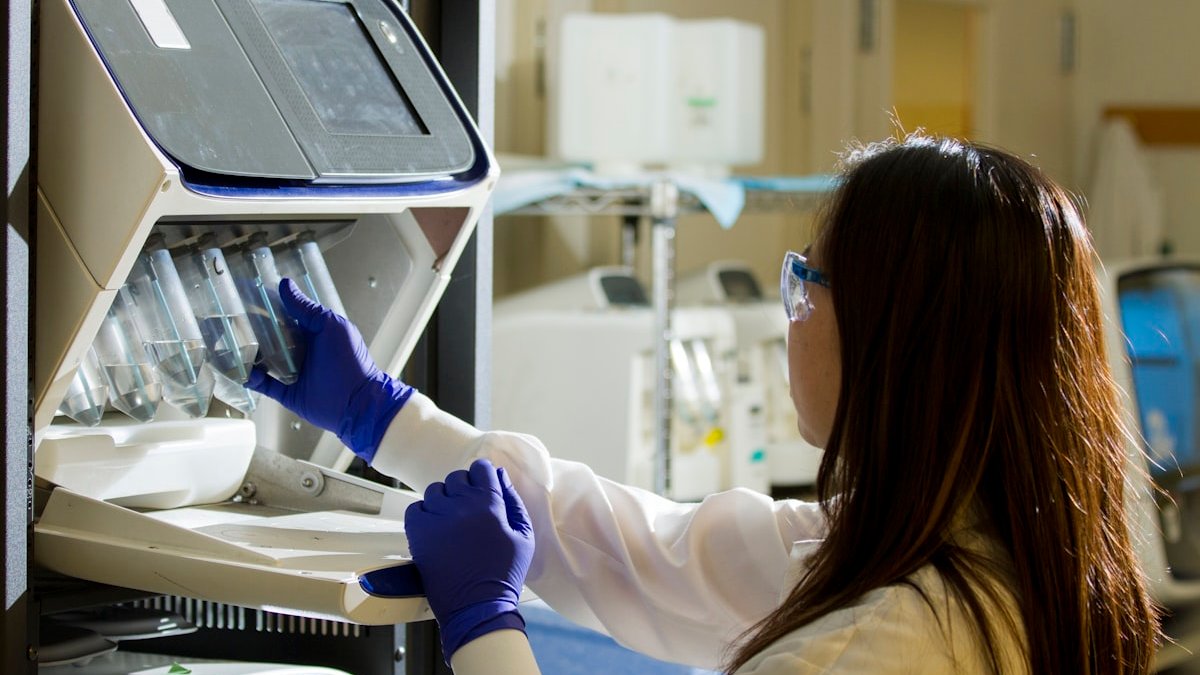
The formal name is polysomnography, and the length of the word outruns the experience. You arrive at the sleep clinic in the evening, usually with a bag and a book, and a technician attaches sensors that each have one modest job. A few on your scalp record brain waves, which is how the study knows which stage of sleep you’re in and when. Bands around your chest and belly track breathing effort, a small sensor near your nose measures airflow, a clip on your finger reads oxygen, stickers on your chest record heart rhythm, and sensors on your legs catch the twitches and kicks that never make it into your morning memory.
Nothing in that list pokes, shocks, or judges. The sensors record. That’s the whole transaction, and it’s worth saying plainly because the imagined version of the night is usually far more dramatic than the wired one. One of the most common reports from first-timers is surprise at how boring it was.
What the night produces is a recording your morning self could never make. You experience sleep from the inside, which means the pauses in breathing, the oxygen dips, and the dozens of brief surfacings happen while you’re out, and you wake with nothing but a feeling. The study watches from the outside. It’s the difference between “I think I sleep badly” and a chart that shows exactly what happened at 2:14.
Who gets sent for one, and why
Nobody books a sleep study out of curiosity. It typically follows a pattern a doctor recognizes: loud chronic snoring that someone has witnessed, especially with pauses and gasps; waking unrefreshed night after night, often with morning headaches; or daytime sleepiness that persists despite genuinely adequate opportunity to sleep. The American Academy of Sleep Medicine estimates that around thirty million US adults have obstructive sleep apnea and that roughly eighty percent of them have never been diagnosed, which is a lot of people being told to try harder at sleeping when the answer was never effort.
The trio matters because any one piece alone can be ordinary. Snoring happens, tired happens, and headaches happen. “Any one piece alone can be ordinary. The trio deserves a doctor.” If a partner has watched you stop breathing at night, that’s the strongest single reason to have the conversation, and a phone recording audio overnight can stand in as a witness if you sleep alone.
The study is also where chronic tiredness gets its day in court. Frank, a man I’ll come back to in a moment, spent ten years collecting explanations for his exhaustion. The study explained it in one night. “He hadn’t been lazy. Suffocating politely, eight hours a night.”
The night itself, hour by hour
Here’s the realistic shape of it. You arrive in the early evening and check into what is usually a private room that resembles a modest hotel more than a hospital ward. The technician walks you through the setup, which takes forty-five minutes or so of attaching sensors with paste and tape, and then hands you the evening. Read, watch something, settle in the way you would at home.
Lights out happens at your usual bedtime as closely as the setting allows, because the study wants your ordinary night, not a performance. You sleep, imperfectly, and in the morning the sensors come off, the paste washes out, and a technician has a recording of everything your body did between roughly eleven and six. Most people sleep less deeply than at home and still produce plenty of usable data, and the lab has seen every version of a nervous first-timer, so there’s no grade being issued and nobody expects the night to be pretty.
The honest caveat is that it’s one night, in an unfamiliar bed, wired to a machine. That limitation is real, and it’s exactly why the home sleep test exists for many straightforward cases: fewer sensors, your own bed, a narrower but often sufficient picture. Doctors choose between them based on what they suspect. If the question is mainly about breathing, home is often the door. If the question needs brain waves, leg movements, or the fuller record, the lab is. My post on what to expect from a sleep study covers the home version in detail, and signs of sleep apnea covers the patterns that lead to either one.
What the results can and can’t tell you
The report counts things: how many times breathing stopped or nearly stopped per hour, how far your oxygen dipped, how your sleep stages were distributed, how often you surfaced. Those numbers have names and thresholds, and they translate directly into options. If apnea shows up, treatment that holds the airway open is among the most effective things sleep medicine does, and people often describe the change as getting a decade of their life back in a month.
What the study can’t do is replace the conversation. The numbers get read alongside your history, your symptoms, and the log you bring, which is why the seven-day record from your own bedroom matters even when a fancier recording exists. The study is one night of evidence. Your ordinary weeks are the context that makes the evidence mean something.
And a result isn’t a verdict. Nothing on the report is a judgment of your character or your effort, and the conditions it finds are diagnosable precisely because they’re common and well understood. “Making the appointment is not the failure.” The failure version is grinding through years of mornings with the answer sitting one referral away.
Frequently asked questions
What is an in lab sleep study?
A night in a sleep clinic while sensors record what your body does during sleep: breathing, oxygen, heart rhythm, brain waves, and leg movement. The formal name is polysomnography, and it converts a vague complaint into measurements a doctor can act on.
Can I actually sleep with all those wires on?
Usually, if imperfectly. The sensors record rather than restrict, you can roll over and get up to use the bathroom, and most people sleep worse than at home but well enough to produce usable data. The lab has seen every version of a nervous first night, and nobody issues grades.
How is a lab study different from a home sleep test?
The home test uses fewer sensors, your own bed, and a narrower picture, usually breathing and oxygen, and it’s often the right first step for straightforward snoring-with-pauses cases. The lab records the fuller set, including brain waves and leg movements, when the question needs more than breathing.
Who usually orders a sleep study?
It typically follows a recognized pattern: loud chronic snoring with witnessed pauses, unrefreshing sleep with morning headaches, or daytime sleepiness despite enough sleep opportunity. A partner who has watched you stop breathing is the strongest single reason to book the conversation.
Does an abnormal result mean something bad?
It means something nameable, and the conditions a study finds are among the most treatable in sleep medicine. Plenty of people describe the diagnosis as the night ten years of tiredness finally got explained on one page.
“Make the call. Bring the seven days.” The full chapter, study included, is in Sleep, Finally. One wired night explains what a decade of guessing couldn’t.
This guide is educational, not medical advice. If trouble falling or staying asleep keeps you up three or more nights a week for three months or more, that pattern has a name and a treatment, and a doctor is the right door.