Wind-Down Routines
What Changes When Your Phone Sleeps Outside
By Nora Vale · May 24, 2025 · 7 min read
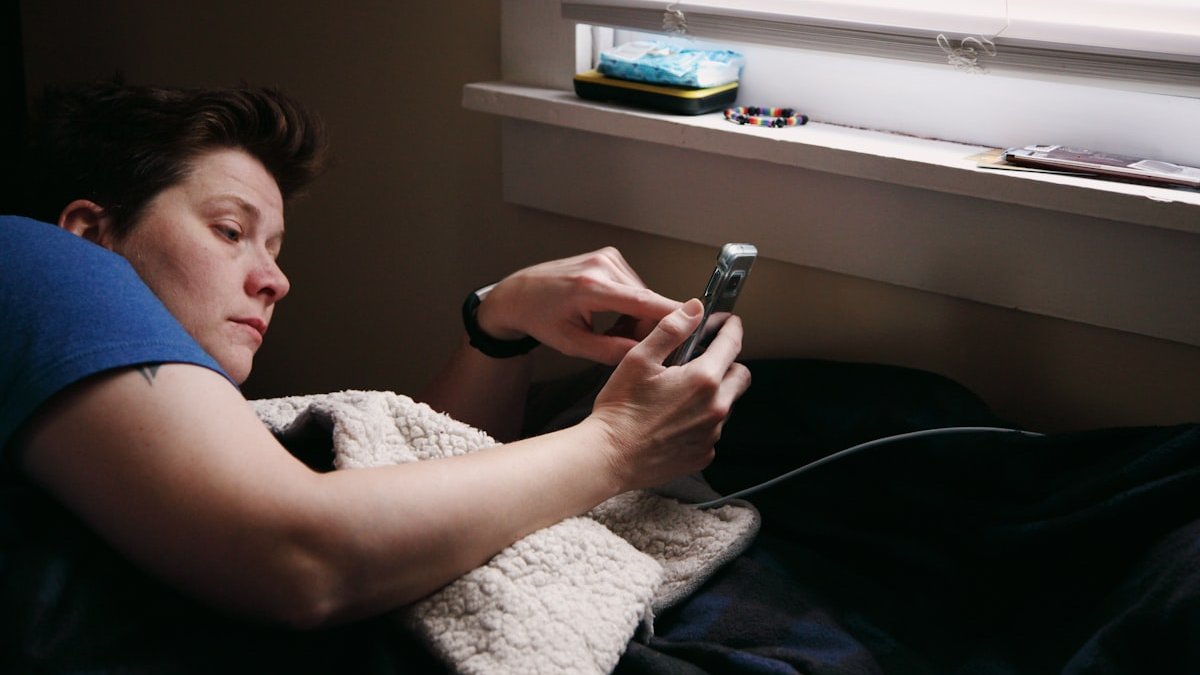
The first three nights without my phone on the nightstand, my hand kept reaching for it anyway. I’d roll over, half-asleep, and pat the empty wood like a person checking for glasses that weren’t there. Nothing had changed about my tiredness. What had changed was that the 10:50 scroll was no longer available, and I was genuinely surprised how loud its absence was for about four nights. If you’re considering the phone out of bedroom move and wondering what it actually costs and pays, this is the honest ledger. The wider frame is in the wind-down routine guide, because docking is really a wind-down move wearing a hardware costume.
Key takeaways
- Two thieves work together: the light in your hand and the feed in your head. Docking fires both at once.
- Night one through four: the hand reaches for a phone that isn’t there. This passes.
- Week one and two: the freed evening hour feels vacant before it fills with anything better.
- The payoff is not one dramatic night. It’s wake-ups that stop starting conversations and a last hour that belongs to you.
- The stair-step version counts: charger across the room, then hallway, then kitchen.
Night one to four: the withdrawal nobody warns you about
Here’s what actually happens, in order, so nothing surprises you into quitting. The first nights are about the hand. The reach is reflexive, half-asleep, and absurd. The analogy that fit me best: it felt like leaving the house without keys. You keep patting the same pocket. There’s nothing to fix here, only to survive, and four nights is about what it took me and roughly what the people I’ve talked to report.
The second surprise is the evening, not the night. The phone was doing a job I never assigned it: filling the last hour before bed with something that required no decisions. Take it away and the hour sits there, vacant, slightly tense, like a room after the furniture leaves. Most people interpret that vacancy as proof the move isn’t working. It’s actually the vacancy the move creates on purpose. What you fill it with is covered in things to do before bed instead of scrolling, and the short answer is: something dull, under a lamp, in the same rough order most nights.
I want to be honest about the mood, too. I was irritably certain the rule was stupid for the first week. Part of that was the habit gap. Part of it, I suspect, was losing the low-grade drip of novelty my evenings had been running on, which I’d have defended as relaxation. If you go through a phase of being annoyed at a charging brick in your kitchen, that’s not evidence. That’s week one.
Why the rule works when night mode doesn’t
The usual objection is that a dimmed screen solves the problem, and the arithmetic doesn’t support it. A phone at arm’s length emits far less light than an ordinary evening outdoors, and evening daylight is the thing your body clock actually listens to. The light is the smaller thief. “A phone is a small sun you hold about a foot from your face,” which sounds dramatic until you compare it to a porch in July, where the sun wins by orders of magnitude.
The bigger thief rides inside the light: the content. “If the content wakes your mind up, it barely matters that the screen is dim, and if the feed eats forty-five minutes, no night-mode setting hands them back.” The feed is built to be more interesting than sleep, one swipe at a time, and the inbox in bed is a job you took without noticing, a night shift with worse hours. Dimming the brightness doesn’t change any of that.
Which is why the docking rule beats every setting I tried. Blue-light glasses, night shift, grayscale, app timers. I ran all of them, and each one left the actual decision, am I picking this up again, exactly where it was. Docking is the only version that removes the decision. The phone is in the kitchen. The kitchen is not in reach. Nothing to negotiate at 10:50 at night, which is when my negotiating self is a terrible lawyer.
The two-payoff ledger
Now the good side, because the changes are real but rarely arrive in the shape people expect. The first payoff shows up in the night: wake-ups get shorter. Everyone surfaces between sleep cycles, four to six times a night, and most of those surfacings last under three minutes and get forgotten. The ones that turn into half-hours are the ones with something to do. A phone within reach converts every micro-waking into an appointment. Take the appointment away and the wake-up stays what it was, a small poke before drifting back under. If night waking is your main problem, this connects directly to the 3 a.m. checklist.
The second payoff takes longer and matters more: the last hour becomes yours again. Not in a grand way. Mine fills with twenty pages of a paperback, a shower, teeth, lights down. The order repeats most nights, which is the whole trick, since repetition is what a body can actually learn. After two weeks or so the evening started ending earlier on its own, because a dim room with a dull book is an invitation sleep can accept. The scroll never was.
And a quiet third thing I didn’t anticipate: mornings improved without anything changing about the alarm. Waking without the feed as the first input turned out to feel like a different start to the day, less like a slot machine and more like a room. I can’t prove that part. I just stopped handing my first thought to strangers on the internet, and I noticed.
The stair-step version
If the full move feels too big, don’t admire it from across the room, shrink it. The honest first step is a charger across the bedroom, far enough that getting up is required. That alone breaks the pillow scroll, since the feed now costs standing up in a cold room. Most people who start there drift naturally to the hallway within a couple of weeks, and the hallway to the kitchen, because once the reach is gone the phone’s location stops mattering much.
The equipment is one item: a cheap alarm clock, around ten dollars, that does one job. “The highest-yield screen rule I know, the one that changed my nights more than any glasses, app, or setting, costs about ten dollars.” Every objection I raised to that clock, I noticed, was secretly an objection to the rule itself. The clock was never the hard part.
One real exception deserves a plan instead of pretending. If you’re the family contact point, or on call, or the person whose mother texts at midnight, a bare docking rule will lose to a genuine duty. Let exactly two names through after a set hour, keep the phone in the hallway with the ringer up, and move the good conversation earlier when you can. A rule with a designed exception survives. A rule with a loophole you sneak through doesn’t.
The honest limits
None of this fixes a genuinely bad sleeper. If you dock the phone and the nights stay broken for weeks, the phone was never the main thief, and something else deserves the investigation. Docking removes one class of self-inflicted wake-ups and hands the last hour back. It doesn’t manufacture sleep pressure, and it won’t outmuscle untreated apnea or a body clock two time zones out of true.
And the change is conditional, which is the least fun sentence in this post. The rule works while it holds. One phone-back-on-the-nightstand Friday reopens the whole negotiation, and the hand remembers faster than the mind does. My own version survived by never calling it a rule worth admiring, just a place the phone lives now, next to the fruit bowl, like the kettle. The feed will still exist at 7 a.m. Your sleep window won’t wait for it.
Frequently asked questions
What actually changes when the phone sleeps outside the bedroom?
Two things, in order. First the wake-ups get shorter, because there’s no light, clock, or feed within arm’s reach to turn a five-minute surf into an hour. Then, over a few weeks, the last hour of the evening stops being a scroll and becomes part of the wind-down, which is the bigger change even though it’s quieter.
How long does the adjustment take?
Roughly four nights for the hand reflex, which is the part that feels unbearable. The evenings take two weeks or so to fill with something better. Neither version lasts if the phone comes back to the nightstand on a hard Friday, so the honest answer is: it changes for as long as the rule holds.
What do I use as an alarm clock?
A cheap dedicated alarm clock, about ten dollars, that does one thing. A phone that’s only an alarm is a phone nobody checks. If you fall asleep to audio, a clock radio with a sleep timer covers that too.
Isn’t the light the whole problem, so night mode is enough?
No, and this is where the docking rule earns its keep. Evening daylight dwarfs anything a phone emits, and the bigger thief is the content: a feed engineered to be more interesting than sleep, plus an inbox that turns bedtime into a night shift. Night mode dims the smaller thief while the bigger one walks out the front door.
What if I need the phone nearby for family or work calls?
Then plan the exception instead of pretending it doesn’t exist. Let exactly two names through after a set hour, keep the ringer on in the hallway, and move the good conversation earlier. A rule you keep beats a rule you admire.
The phone still lives in the kitchen, a year later, beside the casserole dishes it never asked to share a shelf with. Some nights I still miss it, the way you miss any vending machine. Most nights I’m asleep before I’d have finished the second scroll, and the whole setup, clock and docking and dim lamps, is chapter one of Sleep, Finally, costs less than a pizza, and took one evening to arrange.
This guide is educational, not medical advice. If your nights stay broken after the bedroom is genuinely quiet and dark, talk to a doctor about what else might be going on.