Stress & Cortisol
The Smoke Alarm That Never Resets: Chronic Stress 101
By Nora Vale · September 15, 2025 · 7 min read
I spent a whole year thinking my problem was my bedroom. The mattress was four years old, the curtains were thin, the room ran warm, and every one of those facts was true, which is what made the year possible. What I couldn’t explain, no matter how I furnished it, was why I woke at noon on a Saturday already braced. The room was quiet. The alarm wasn’t. If you’ve been optimizing a bedroom while your nights stay wrecked, the thing you’re actually living with might be the smoke alarm that never resets, and the whole mechanism sits in the guide to stress and sleep.
Key takeaways
- Chronic stress is an alarm that stops resetting: a low chirp around the clock, not a shriek that comes and goes.
- The idle is measurable in daylight: higher resting heart rate, warmer core temperature, elevated metabolism.
- Idling high stops feeling like stress and starts feeling like personality, which is why it survives for years.
- You can’t delete the stressors, but you can give the alarm scheduled evidence to stand down on.
- Three or more wrecked nights a week for three months is the border where a professional belongs.
What chronic stress actually is
The word “stress” covers two different animals, and the difference matters more than the vocabulary suggests. Ordinary stress is a spike: the near-miss on the highway, the presentation, the tense phone call. Alarm on, alarm off. Your body was built for this, it does it well, and an hour later the system has largely stood down, which is why you can sleep fine the night after a hard day.
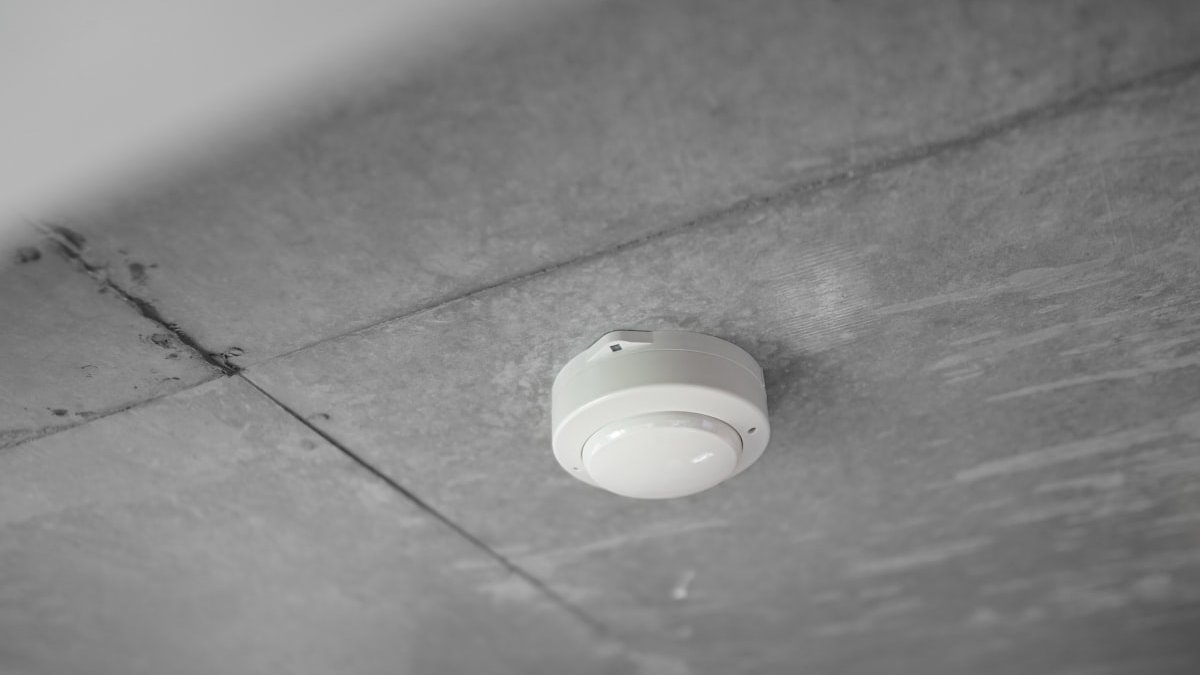
Chronic stress is the other animal. The stressor doesn’t end, the money situation, the caregiving, the job that’s becoming a job you don’t recognize, so the alarm never gets its all-clear. It doesn’t shriek; shrieking is for fires. It keeps a low chirp running, all day, all night, for months. The picture is the whole reason this state is hard to see: nothing is burning. The alarm won’t stand down, and from inside the house, a chirping alarm eventually becomes furniture.
That’s also the honest answer to “is my stress that bad?” Nobody rates their own chirp well, because the chirp is the baseline. The question that works better is indirect: has your sleep been broken for months while your days feel merely full? The night is the one instrument you have that reads the baseline honestly, because it’s the only stretch of the day quiet enough for the alarm to be audible.
What the chirp does to the body
The chirp isn’t metaphorical once you look at the readouts. People living in chronic stress show higher resting heart rates, warmer core temperatures, and metabolic rates idling above normal, and researchers find those markers in broad daylight, hours before anyone has tried to sleep. Your body is spending fuel at idle that it used to spend at rest, which is one reason chronically stressed people feel exhausted in a way that sleep alone doesn’t fix. The tank drains even on the days nothing happens.
The hormone at the center is cortisol, which deserves better press than it gets. It’s a shift worker with a fixed schedule: lowest around midnight, climbing through the morning, spiking thirty to forty-five minutes after you wake, then sliding downhill all day back to its floor. Under chronic stress, every small worry casts a vote, and the votes compound until the healthy hill flattens into a plateau that runs from mid-morning to late evening. Eleven at night arrives carrying chemistry that ten hours earlier would have passed for nine in the morning. The shift schedule itself is mapped in cortisol and sleep explained.
And the night is where the plateau collects. Sleep requires an arousal floor low enough for drowsiness to register, and a plateau eliminates the floor. You’re not failing to relax. The instrument that registers relaxation is being pinned above its threshold all evening by chemistry that was supposed to have gone home hours ago.
Why it feels like personality
Here’s the trap that lets the chirp run for years, and it’s the one I fell into. You can’t feel a baseline. You can only feel departures from it, and when the baseline sits high long enough, tired stops registering as a symptom and starts registering as who you are. I described myself as a night person with an anxious streak for years, the way you’d recite a blood type, and the description was doing real work: it explained the exhaustion without requiring me to look for a cause, because the cause was the furniture.
The bedroom gets blamed for the same reason. It’s where you notice the alarm, because it’s the first quiet room, so it gets investigated, upgraded, and resented while the actual source runs in your days, unexamined. Fixing the bedroom helped a little and solved nothing, which is the honest outcome of that path. You can’t fall asleep inside a system that spent the whole day being told there’s a fire.
The reframe that helps, and I’d stake the whole post on it: the day is where it lives, and the night is when you notice. That ordering matters because it tells you where the levers are. Nothing about the bedroom caused this, and nothing about the bedroom, alone, fixes it.
What turns a stuck alarm down
You can’t delete chronic stressors, and anyone selling you a stress-free life is selling you a smaller life. What you can do is give the alarm scheduled evidence to stand down on, and two levers do most of that work.
The first is scheduled worry time: fifteen to twenty minutes in the early evening, same time, same chair, paper, worries on the left and one concrete next step on the right, run daily rather than on bad nights. The chirp is fed by open loops, threats with no handling time, and the window hands each loop an appointment. A brain that trusts the meeting will happen stops interrupting, which is what clinicians who use scheduled worry time within CBT-I report, and the setup is in scheduled worry time: how it improves sleep.
The second is the downshift, because the alarm doesn’t accept announcements, only evidence. Dull, physical, low-stakes tasks with an obvious ending, a walk around the block, a shower without a phone, folding laundry with the radio on, tell the system the day’s emergencies ended. They read as too small to matter, which is roughly the correct dose of small. The evening version is laid out in how to wind down after a stressful workday.
Give it weeks, not nights. The plateau took months to flatten in and it comes down at the same speed it went up, which is slowly. Two to three weeks of the window and the walk is the honest minimum before you’re entitled to conclude the levers don’t work for you.
Honest limits
The limits, because chronic stress 101 that oversells is just another chirp. The two levers lower the evening’s floor so sleep can reach it; they don’t delete the stressor, and for some stressors, a mother’s memory going, a job ending, a diagnosis, no lever should promise to. The goal was never a lighter load. The goal is keeping the load out of the mattress, and some weeks even that fails, the routine runs and the night is wrecked anyway. Those weeks get one anchor, the wake time, defended perfectly, and everything else graded pass-fail where everything passes.
And the border, which matters more in this post than most: if the wrecked nights run three or more a week for three months straight, that’s past what habits describe, and it’s also past what a self-diagnosis of “chronic stress” should be allowed to explain. Sleep apnea, thyroid, medications, and depression all wear the tired-but-wired costume, and the reason to see a professional isn’t defeat. It’s that some of those are cheaper to fix than a mattress, and none of them respond to a worry window. The thresholds are laid out in stress insomnia help and the physical checklist in signs of sleep apnea.
This guide is educational, not medical advice. If sleep trouble persists most nights for months, a doctor is the right door, not a better alarm metaphor.
The full system behind this post, the worry window, the downshift, and the honest limits of self-help, is in the book.
Frequently asked questions
What does “the smoke alarm that never resets” mean?
It’s chronic stress in one picture: an alarm built to shriek at fires and go quiet that instead keeps a low chirp running day and night for months. The chirp is hyperarousal, and it’s the thing sleep has to get past every evening.
How is chronic stress different from ordinary stress?
Ordinary stress spikes and resets. Chronic stress never fully resets, so the baseline sits above resting for months, and because you can’t feel a baseline, only departures from it, it stops registering as a symptom and starts registering as who you are.
Why does chronic stress wreck sleep even on calm nights?
Because the idle runs around the clock. Higher resting heart rate, warmer core temperature, and elevated metabolism show up in daylight, hours before bed. A calm evening is one quiet hour against a whole day of chemistry.
Can you lower a stress baseline without fixing your life?
Partly, yes. You can’t delete the stressors, but a scheduled worry window and dull physical downshifts give the alarm scheduled evidence to stand down on. The night follows the day more than it follows the pillow.
When does chronic stress need professional help?
When wrecked nights run three or more a week for three months, or when the alarm’s symptoms include chest pain, panic, or hopelessness that doesn’t lift. Those are appointments, not projects, and some of the causes are cheaper to fix than a mattress.