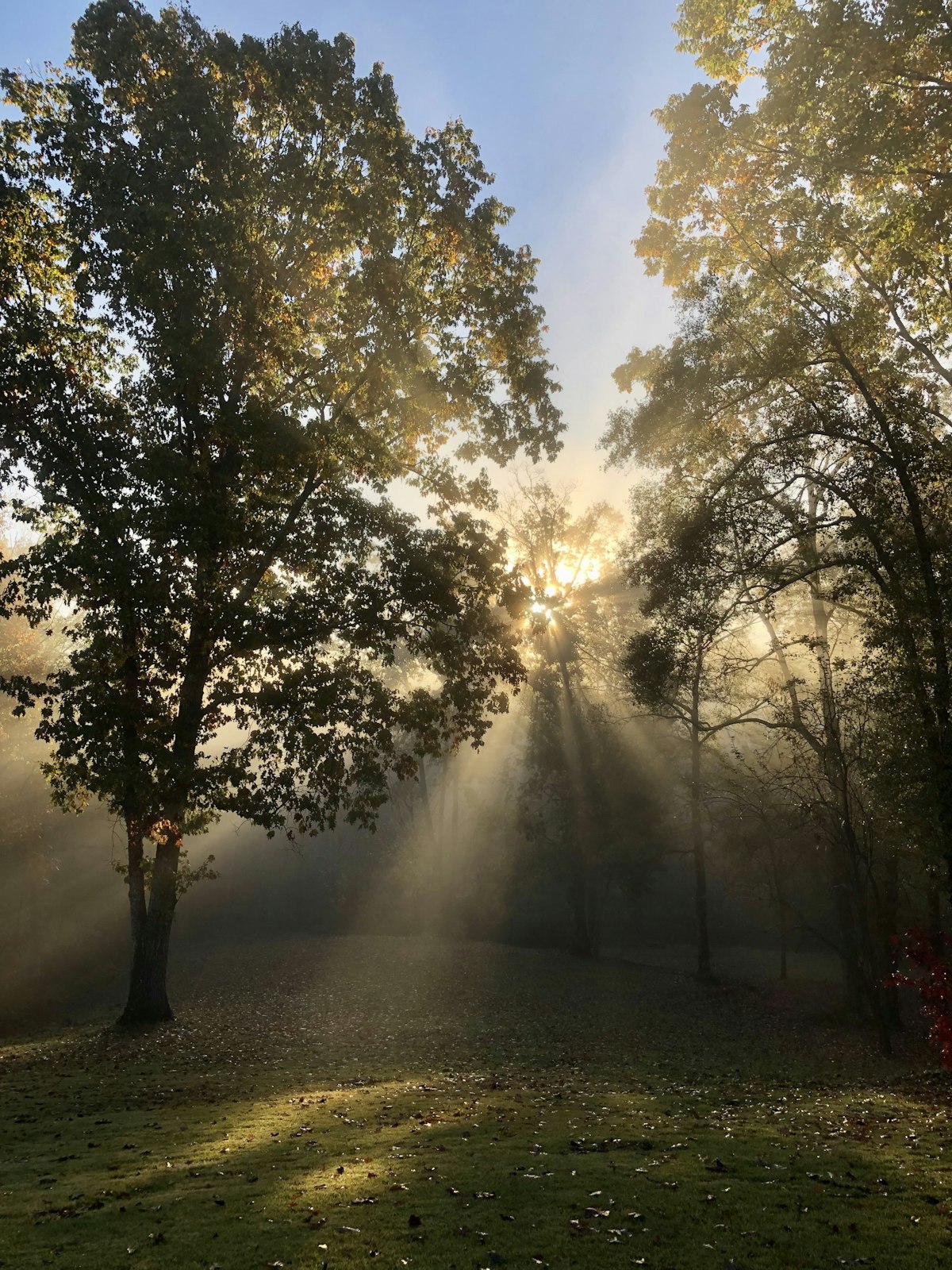
Morning Light & Sleep
Sunglasses Before 10 AM: A Small Habit for Better Sleep
By Nora Vale · August 17, 2026 · 6 min read
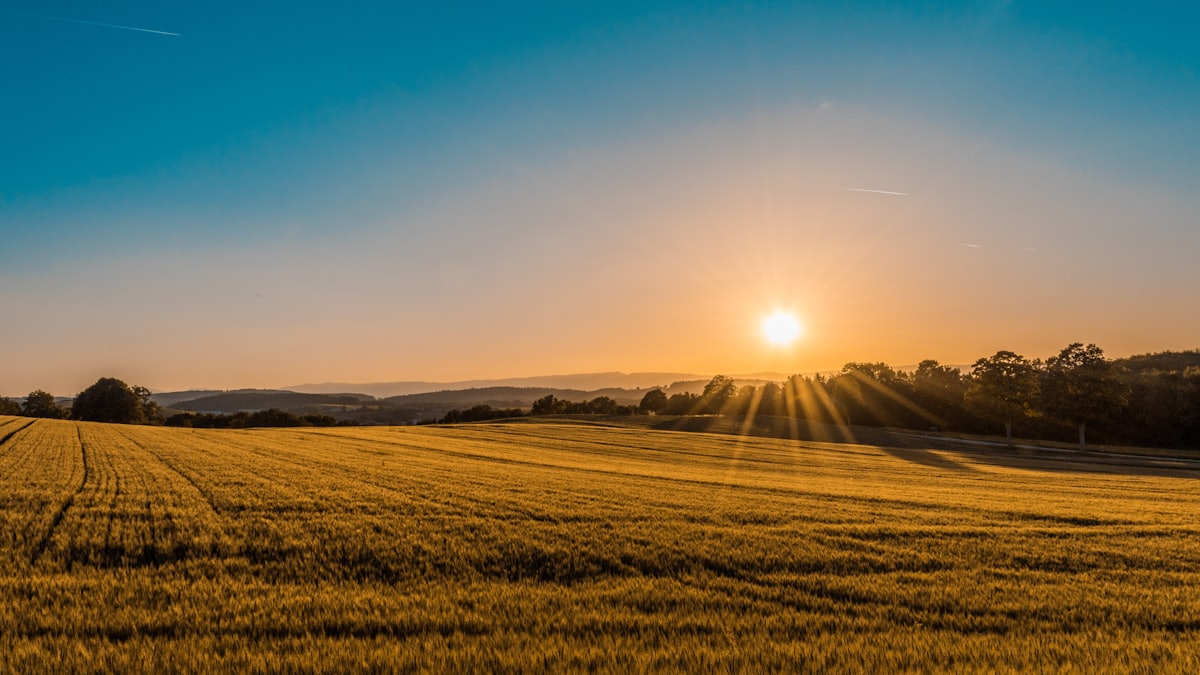
The morning sunglasses question sounds backwards, and the confusion is the whole point. For most of us, shades before 10 a.m. cost sleep. For a minority whose job depends on it, shades on the morning commute are one of the stranger, better tools in sleep medicine. Same object, opposite effects, and the difference is whether your day is starting or ending. The full clock manual lives in the morning-light-sleep guide.
Key takeaways
- Daylight through your eyes is the strongest time-giver your clock accepts, and the morning dose does the heavy lifting for tonight’s melatonin rise.
- For day sleepers, sunglasses in the first hour block the dose. For night workers, shades on the ride home block the wrong signal at the wrong hour.
- The dose needs ten to thirty minutes of unfiltered outdoor light, and it pays on a schedule of weeks, not nights.
Why the first hour has a light budget
Your body clock isn’t a 24-hour machine; left alone it drifts later, and it needs resetting every morning. “Of all the signals that reach the clock, daylight through your eyes is the strongest, and sleep researchers call signals of this kind time-givers.” The asymmetry that follows is nearly everything practical in one line: morning light pulls the clock’s schedule earlier. Evening light pushes it later.
The numbers behind it are lopsided enough to be funny. A comfortably lit living room runs about 100 to 500 lux. An overcast day outside starts around 1,000 and can climb past 10,000. “The grayest January sky over the ugliest parking lot is still ten to a hundred times brighter than your kitchen with every bulb burning.” That’s why the dose has to be outdoor light, and why the shades matter: clip the strongest signal of the day behind dark lenses and you’ve spent the morning budget on nothing.
What the dose buys arrives hours later, at the other end of the day. Melatonin, the darkness signal, rises about two hours before your usual bedtime, but only in dim light. Light in your first waking hour does the heavy lifting for that evening’s rise. “You’re not topping up vitamin D out there. You’re setting a watch.” Set it early and tonight’s bedtime shows up on schedule; block it, and the clock spends the day squinting.
The dose, and what sunglasses do to it
The entire recipe fits in a sentence: get outside within an hour of waking and stay out for ten to thirty minutes. Coffee on the porch counts. Tea on the front steps counts. Standing in the yard in yesterday’s sweatshirt while a crow judges you counts. It doesn’t need to be exercise, it doesn’t need to be sunny, and it doesn’t need a single productive thought.
Where sunglasses fit: “Sunglasses can stay in the bag for the first ten minutes unless the glare is genuinely brutal.” The signal rides in on ordinary ambient vision with your eyes simply open. You don’t need to face the sun, and you shouldn’t stare at it either. If you have an eye condition or light-triggered migraines, that’s a question for your eye doctor, not for a sleep book, and full sun on a long exposure absolutely deserves the lenses. The habit this post describes is the short morning dose, which is a different animal from a beach afternoon.
The through-glass version deserves its honesty too, because it’s where most people think they’ve already got the dose covered. Indoor light beside a window is often less than 1 percent of what’s falling on the other side of the pane, and the commute behind a windshield doesn’t count, no matter how pretty the sunrise looks through it. If your ten minutes happen behind lenses and glass, the clock received a rumor of daylight. Your eyes say this is plenty. Your clock says the sun never came up.
The exception: when morning shades are the tool
Now the other side, and it’s a genuinely clever one. For shift workers heading home at 8 in the morning, the bright commute tells the clock to wake up at the exact moment they need to crash. “NIOSH’s training guidance for shift workers suggests wearing dark sunglasses on that ride home to block the message. Yes, you’ll look odd. Nobody at the bus stop needs to understand your circadian rhythm.”
The one caveat travels with it: sunglasses are for daylight, not for driving in actual darkness or heavy rain, where seeing the road beats any protocol. And notice the shape of the logic, because it explains the whole post. Light through your eyes sets the clock in whichever direction the hour calls for. Day people want the morning message delivered; night workers want it intercepted. Same glasses, opposite jobs. If you work nights, sunglasses after night shift why takes the full version, and how to sleep after a night shift covers the rest of the kit.
What the habit pays, and when
Honesty first, because this habit gets abandoned for exactly the reason everything slow gets abandoned. “Morning light won’t knock you out at bedtime. Not on night one.” What light does is shift the timing of your clock, and timing is the kind of change that shows up over days, not over single nights. Nothing dramatic happens on Tuesday. Then some night in the second or third week you’re asleep by 10:40 without ever noticing the night it changed, and you have to think backwards to find the cause at all.
Grace is the cleanest case I know, and she did it by accident. An anxious terrier wanted out at 7:15 every day, sleet included, and she stood at the end of the driveway because a fifteen-pound dog insisted. She didn’t change her bedtime, her coffee, her mattress, or her screens. Two or three weeks in, she was falling asleep fast, lights-out-by-10:40 fast, and it took her another month to connect the change to the dog, because nothing about a leashed terrier feels medicinal. A rainy February week with shortened walks brought some of the old restlessness back, which was the unplanned A/B test that settled it.
Winter gets its own honesty, since the sun may not show until well after your alarm. The recipe doesn’t break in winter, it just slows down, and it wants 30 or 40 minutes or two shorter chunks instead. On the darkest mornings, lower the bar: keep the wake time steady, switch on every lamp you own, take whatever the sky is offering. A gray December sky still out-delivers your living room by a factor of ten or more.
So the verdict on sunglasses before 10 a.m., for the day-sleeping majority: keep them in the bag for the first ten minutes, take the dose unfiltered, staple it to the coffee you were making anyway, and give it a fair two weeks before you judge it. If you keep a log, the trend shows up there before your memory believes it. And if nothing moves after two honest weeks, close the notebook: not your thief is a valid result. How long to sit in morning sun sizes the dose, does light through a window help covers the glass question, and the whole system is laid out in Quiet Core Reset.
Frequently asked questions
Should I avoid sunglasses in the morning?
If you sleep at night, mostly yes for the first hour. Morning daylight through your eyes is the strongest signal that sets your body clock, and the dose pays out at tonight’s melatonin rise. Sunglasses can stay in the bag for the first ten minutes unless the glare is genuinely brutal. Full sun on a long exposure still deserves lenses.
Don’t sunglasses protect my eyes from sun damage?
Yes, and for long exposure or high glare, wear them. The habit in question is different: ten to thirty minutes of ordinary ambient morning light with your eyes simply open, no staring at the sun. If you have an eye condition or light-triggered migraines, the tradeoff is a conversation for your eye doctor.
Why would a night worker wear sunglasses in the morning?
Because a bright commute home tells their clock to wake up at the exact moment they need to crash. NIOSH’s guidance for shift workers suggests dark sunglasses on that ride home to block the message, with the caveat that they’re for daylight, never for driving in darkness or heavy rain.
Does light through a windshield or window count?
Barely. Glass takes a cut and brightness collapses with distance, so indoor light beside a window is often under 1 percent of what’s outside. The commute behind a windshield doesn’t deliver the dose that moves the clock, however pretty the sunrise looks through it.
How long until morning light changes my sleep?
Give it days, not nights. Light shifts the timing of your clock, and timing shows up over weeks: two or three weeks is the fair trial, and the trend shows up in a log before your memory believes it. A null result after two honest weeks is also a verdict, and a valid one.
This guide is educational, not medical advice. Eye conditions, light-triggered migraines, and persistent sleep trouble belong with the right doctor, not with a shade habit.