Sleep Red Flags & Help
Sleep Apnea Treatments Beyond CPAP
By Nora Vale · August 11, 2025 · 8 min read
If a partner has counted the pauses in your snoring, or you wake with headaches and a coffee that never lands, you may have already read that CPAP is the answer, and you may already dread it. So let’s start honestly: sleep apnea treatments beyond CPAP exist, they’re legitimate, and knowing the map makes the doctor conversation better. I’m not a doctor and this piece diagnoses nothing; what it does is name the recognized options so you walk in with better material than “I sleep badly.” The full set of warning signs lives in the sleep red flags guide.
Key takeaways
- CPAP is the gold standard, not the only tool; oral appliances, positional therapy, surgery, and weight-centered care all have real places.
- Oral appliances work best for mild to moderate apnea and must be fitted by a dental sleep specialist, not bought off a shelf.
- Positional therapy helps the specific group whose events cluster on their back.
- Untreated moderate to severe apnea carries cardiovascular risk, so “I’ll just skip treatment” isn’t a neutral option.
- A sleep study is the door to all of these; the diagnosis shapes the list.
First, what CPAP actually does and why alternatives exist
CPAP works by holding the airway open with gentle air pressure all night, and for many people it genuinely transforms their sleep within days. I have no interest in scaring you off it, because an airway that closes forty times an hour is a mechanical problem and pressure is a mechanical answer. “Self-help can retrain a wind-down, retune a bedroom, and re-time a body clock. It cannot open a closed airway, quiet restless legs, or treat depression.”
The honest case for alternatives isn’t that CPAP is bad; it’s that people abandon it in real numbers, usually over mask comfort or air pressure, and an abandoned treatment treats nobody. The American Academy of Sleep Medicine estimates that around thirty million US adults have obstructive sleep apnea, and that roughly eighty percent of them have never been diagnosed, which means the bigger problem is the people who never walk into a clinic at all. If a quieter device gets a person treated who otherwise wouldn’t be, that device has done its job.
That’s the frame: alternatives are legitimate tools with narrower applications, matched to your anatomy and severity by someone who can see the study results. The one thing they all have in common is the door: the sleep study comes first.
The alternatives, in honest order
Oral appliances are the most common alternative. A mandibular advancement device, fitted by a dental sleep specialist, holds the lower jaw slightly forward, which pulls the tongue base away from the airway wall. For mild to moderate apnea, a properly fitted device can meaningfully reduce events, and it doesn’t need a mask or electricity. The limits are equally real: it moves teeth over time, it doesn’t reach severe apnea as reliably as pressure, and the fitting matters so much that a shelf-bought guard isn’t the same category of thing at all.
Positional therapy is the narrowest tool with the cleanest logic. Some people’s apnea lives almost entirely on their back, where the tongue and soft tissue settle backward, so a device or strategy that keeps them on their side removes most of the events. A sleep study or home test tells you whether you’re in that group; if you are, this can be close to a complete answer. If your events happen in every position, positional therapy is not your tool.
Surgery and weight-centered care fill out the map. Surgery addresses specific anatomical causes, an obstruction a scan can point at, and works well when that’s genuinely the problem; it’s not a first step for everyone. Weight reduction, where weight is a factor, can measurably lower severity, and it’s a legitimate part of a plan without being a cure. None of these are ranked from worst to best. They’re doors to different rooms, and the study decides which doors apply to you.
Making the appointment without the apology
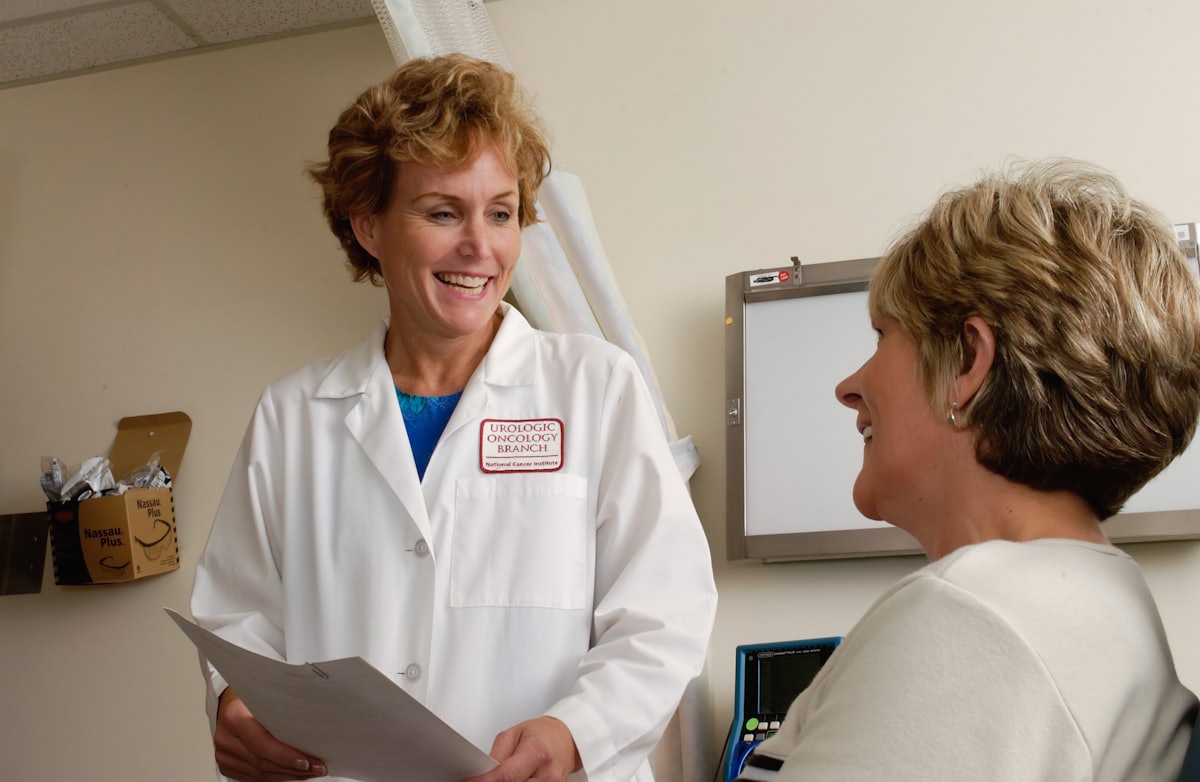
Here’s the part I want to say plainly, because the shame around this is loud and wrong. “Making the appointment is not the failure.” The failure is eight more years of morning headaches and a partner counting silences in the dark while you insist you sleep fine. If the trio is present, loud snoring with pauses, waking unrefreshed no matter how long you slept, and daytime drowsiness that coffee doesn’t touch, that combination deserves a doctor.
The appointment goes better with evidence. Seven days of a sleep log, partner notes about the pauses, a list of everything you take including supplements, and one sentence practiced in the car if needed: I think I have sleep apnea, and I’d like to discuss testing. “Skip the apology. Say the sentence.” Doctors work in minutes, and evidence respects their time, which makes you the easiest useful patient they’ll see that day.
And if the first doctor waves it off, a second opinion is allowed. One match is enough to act on; you don’t need the whole deck.
The honest limits
This piece is a map, not a prescription. Which treatment fits depends on severity, anatomy, and the study results, and I can’t examine you, so nothing here replaces the appointment; it just makes the appointment shorter and sharper. Treatments have real trade-offs: masks take adjusting, appliances move teeth, surgery carries surgical risk, and every one of them works better alongside the boring floor this whole site stands on, the dark room, the fixed wake time, the wind-down. “The doctor fixed the disease. This book fixes the floor the disease was standing on, and the floor still matters once the rock is gone.” And if your sleep stays broken even after treatment, keep going, because apnea and insomnia can coexist, and treating one doesn’t automatically fix the other.
Frequently asked questions
What are the main sleep apnea treatments besides CPAP?
The recognized alternatives include oral mandibular advancement devices fitted by a dentist, positional therapy for people whose apnea is worse on their back, surgical options for specific anatomical causes, and weight-management programs where relevant. A sleep physician matches the treatment to the cause, not the marketing.
Is CPAP really the only effective treatment?
No, though it’s the most universally applicable and the gold standard against which others are measured. For people with mild to moderate apnea, properly fitted oral appliances can be an effective alternative, and the right answer depends on your anatomy and severity, which a sleep study establishes.
Do mouth guards for sleep apnea work?
Mandibular advancement devices, fitted by a dental sleep specialist rather than bought off a shelf, can meaningfully reduce apnea events for many people with mild to moderate apnea. Over-the-counter guards are not the same device and aren’t a substitute for a proper fitting.
Can you treat sleep apnea without any device at all?
Sometimes. Positional therapy helps people whose events cluster on their back, weight loss can reduce severity where weight is a factor, and surgery helps specific anatomical problems. But untreated moderate to severe apnea carries real cardiovascular risk, so skipping treatment entirely isn’t a neutral choice.
How do I find out which treatment fits me?
Start with a sleep study, home or lab-based, to establish what’s actually happening. Bring a seven-day sleep log and any partner notes about pauses in breathing. The diagnosis shapes the treatment list, and a sleep physician is the person who turns that list into a plan.
This article is educational, not medical advice. It doesn’t diagnose or treat anything, and a clinician should have the last word on persistent sleep problems.
If you want the complete system that sits underneath any treatment, including the seven-day log and the red-flag checklist, it’s in the book.