Sleep Red Flags & Help
Should You Record Yourself Snoring
By Nora Vale · November 6, 2025 · 6 min read
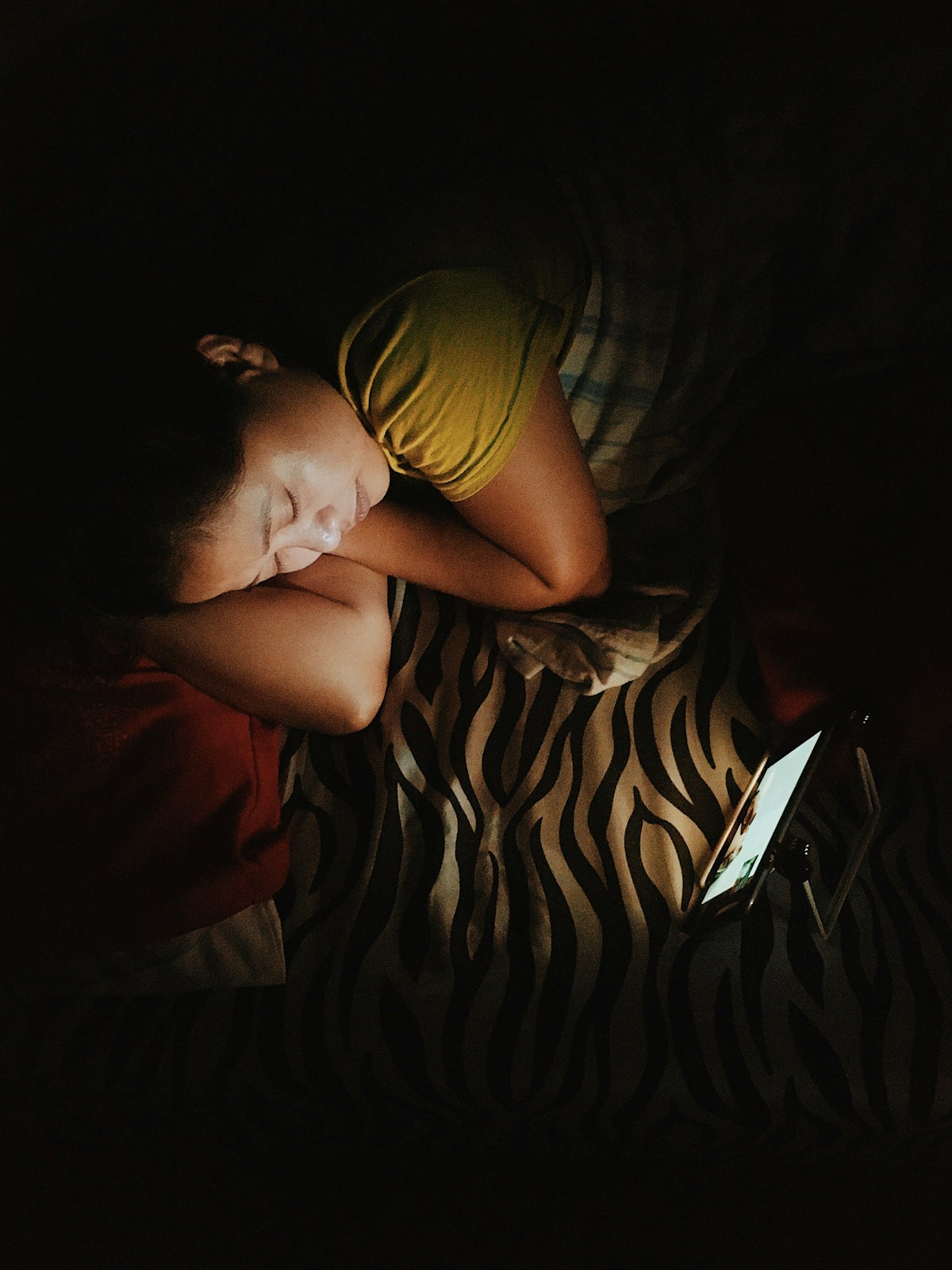
Frank lived two doors down from us for years, a big cheerful guy who liked to say he could sleep anywhere, anytime, like a log. His wife heard the actual soundtrack from her side of the bed: a snore, then silence, and she began counting the silence, fifteen seconds, twenty, until the gasp came. Frank’s own evidence was easier to argue with. Morning headaches, coffee that never landed, dozing over a crossword, in his fifties with a demanding job, so wasn’t everyone tired? Nobody had put those two lists on the same page. If you sleep next to somebody, their ears are the cheapest sleep lab in existence. If you don’t, or they sleep through everything, the question of whether to record yourself snoring stops being paranoid and starts being practical.
Key takeaways
- The pattern that matters is loud chronic snoring, then pauses of ten to twenty seconds, then a gasp or snort.
- A phone or smart speaker recording overnight can capture what no witness was awake to hear.
- A recording is evidence for a doctor, not a diagnosis and not a sleep study.
- The trio that deserves a doctor: loud snoring plus pauses or gasping plus waking unrefreshed, often with morning headaches.
- Bringing evidence to the appointment beats apologizing for being there.
What the recording is actually for
Let me be plain about what this is and isn’t. A recording doesn’t diagnose anything, and this post doesn’t either. The broader picture of where habits stop and medicine starts is in the sleep red flags guide. What a recording does is solve a witness problem.
Sleep apnea is a condition where the airway sags shut during sleep, breathing stops, and the brain jolts the body just awake enough to breathe, a cycle that repeats for hours while the sleeper remembers none of it. What the household remembers is the soundtrack: “pauses in the snoring, ten seconds, twenty, then a gasp or a snort as breathing slams back on.” The flag needs a witness, because you were unconscious for all of it. Frank’s wife was his witness, and her written list is what turned a decade of “tired” into a sleep study and one page of explanations.
The scale of the unwitnessed problem is bigger than people expect. The American Academy of Sleep Medicine estimates that around thirty million US adults have obstructive sleep apnea, and that roughly eighty percent of them have never been diagnosed. Plenty of them have been told by well-meaning friends to just try harder at sleeping. If you sleep alone, the book puts it simply: “A phone left recording audio overnight, or a smart speaker’s sleep-sounds setting you didn’t ask for, can hand you the same evidence a partner would have brought you years ago. It isn’t a diagnosis. It’s the difference between ‘I think’ and ‘listen to this,’ and it fits in the same bag as the log.”
How to do it
The setup is deliberately dull:
- Use whatever you already own. A phone with a voice memo or recording app, or a smart speaker, placed on the nightstand within a few feet of your head.
- Record a full night, or two, not a twenty-minute sample. The pauses show up in ordinary sleep, and one short clip proves nothing either way.
- Listen at speed. Scrub through for the silences rather than replaying every minute. You’re listening for quiet, then a gasp or snort, not for the snoring itself.
- Note what else the night produced: morning headache, a mouth dry as cardboard, coffee that stopped working. Those details travel together.
That’s the whole project. It costs nothing, and it answers the question every person who sleeps alone has been carrying without a witness: is the snore the boring kind or the interrupted kind?
What the recording can’t do
The honest limits, because a recording can mislead in both directions. Steady snoring all night sounds alarming and is often just snoring; interrupted breathing is the pattern that matters, and even that is a reason for an appointment, not a conclusion. Cheap microphones also miss the quieter half of the problem: plenty of people with sleep apnea don’t snore dramatically at all, and a clean recording can sit next to mornings of headaches and days of ambush sleepiness with no contradiction at all.
So the recording is one input, and the trio is the real flag: loud chronic snoring, plus witnessed pauses or gasping, plus waking unrefreshed night after night, often with a morning headache. “Any one piece alone can be ordinary. The trio deserves a doctor.” If your recordings are silent but you fall asleep mid-meeting despite a real seven hours, that’s its own flag, and signs of sleep apnea walks through the full list. The recording also says nothing about the other overnight sounds that matter, like the grinding or the leg kicks a partner would report, which have different doors.
What to do with the file
A recording with pauses in it goes to a doctor, not to an internet forum for interpretation. Bring it the way you’d bring the rest of the evidence, because it changes the appointment from the first minute. The ideal bag, drawn from the book’s checklist: a seven-day sleep log, one row per morning, ninety seconds each; the recording itself; your partner’s notes if one exists, since “His snoring stops and then he chokes” outperforms any adjective; the list of everything you take, prescriptions and supplements included; and one rehearsed sentence so the appointment opens with the thing instead of an apology.
“Skip the apology. Say the sentence.” If the flags are clear and you get waved off with a laugh about how everyone sleeps badly these days, it’s permitted to seek a second opinion, and the log travels well.
And if the appointment leads somewhere real, treatment and habits aren’t rivals. Frank came back from his with color in his face and a decade of tiredness explained, and he’d still tell you a 1 a.m. bedtime and three glasses of wine cost him, treated man or not. “The doctor fixed the disease. This book fixes the floor the disease was standing on, and the floor still matters once the rock is gone.”
Frequently asked questions
Can I record myself snoring with my phone?
Yes. A phone or smart speaker recording audio overnight can capture pauses, gasps, and snorts that nobody was awake to witness. It isn’t a diagnosis, but it converts a vague feeling into something a doctor can listen to.
What should I listen for in a snoring recording?
The pattern that matters is loud, chronic snoring followed by silences of ten to twenty seconds, then a gasp or a snort as breathing starts again. Steady snoring with no interruptions is a different, less urgent story.
Does a recording replace a sleep study?
No. A recording is evidence for the appointment, not a result. The sleep study, home or lab-based, is what actually measures what happened, and it’s the doctor who reads it. What one involves is covered in sleep study what to expect.
I sleep alone. Does a recording still help?
It helps more, because the pauses in snoring usually need a witness and you don’t have one asleep next to you. The recording fills in for the partner who would have brought you this evidence years ago.
One night, a phone on the nightstand, and a doctor who gets to hear what you’ve only ever described. The seven-day log that pairs with it is in Sleep, Finally, along with the exact sentence to rehearse for the appointment.
This guide is educational, not medical advice. If sleep problems persist for months or wreck your days, see a doctor.