Screens & Sleep
Netflix Before Bed: What Actually Goes Wrong
By Nora Vale · April 17, 2026 · 7 min read
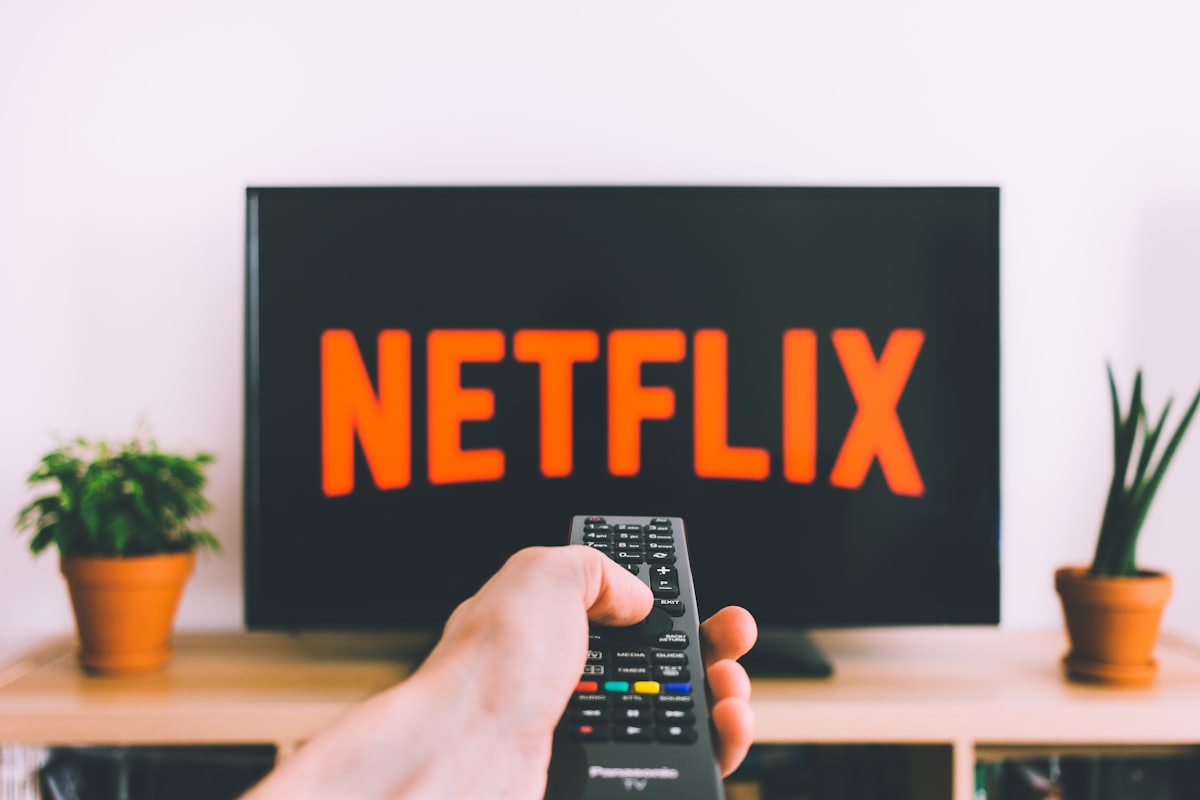
It’s 12:40 on a weeknight and you’re watching a man dig a hole in the woods at increased speed. You no longer like the show much. You can’t say why you’re still there. The answer is that nobody asked you to be, because when the credits rolled the service counted down from five and started the next episode on its own, and your judgment went with them.
That was Megan’s version of Netflix before bed, one episode of a thriller at ten that became three. Mine ran through half a true-crime season before I noticed what it was costing. The conversation about screens and sleep is much bigger than streaming, and the screens and sleep guide maps the whole thing, but television deserves its own honest verdict, because it gets blamed for crimes it didn’t commit.
Key takeaways
- Watching before bed isn’t inherently the problem. Auto-play, cliffhangers, and stolen hours are, and auto-play is a two-minute settings fix.
- Rewatches are the honest choice at night: familiar shows can’t ambush you, because you already know who dug the hole.
- Passive is the gentle end of the screen spectrum. The replying, posting, and refreshing is what holds your mind in third gear.
- The couch stays the couch. Watching in the bedroom costs more than the episode, because the bedroom’s whole job is letting attention go.
What the TV actually does to your sleep
Start with the accusation everyone knows. Blue light melts your melatonin, screens ruin sleep, buy the glasses. The honest version is smaller and calmer. Light after dark does delay melatonin, the hormone that starts opening the door to sleep, and that mechanism is real. But a television across a dark room delivers a modest dose of it, and an hour of evening daylight hands your body clock more light than a whole night of screen time. The panic version of this story comes with a product attached, and I own a pair of glasses that did roughly nothing to prove it.
What’s on the screen matters more than the glow, and this is where television splits into two very different animals. A show you chose, watched in the living room with the lights low, is passive content, and passive is the gentle end of the screen spectrum. The interactive stuff is what holds your mind in third gear: the replying, posting, and refreshing, each one a small dose of alertness. An hour of a calm cooking competition is not in the same weight class as forty-five minutes of the replies. If your evenings are already screen-heavy, what screen time actually does to sleep covers the whole ledger.
There’s a real mechanism under the cliffhanger, though, and it deserves respect. Producers save their best ambush for the unknown, and the hook is stapled exactly where your decision used to be. “I wasn’t even choosing it,” Megan told me. “It just auto-played.” A feed and a cliffhanger are the same design wearing different clothes, and both work for the same reason: an unpredictable reward is the most compelling kind there is.
The auto-play problem, and the two-minute fix
“Auto-play is a setting, not weather.” You can turn it off tonight, for free, in under two minutes, and I’d nominate it as the best two minutes available in this whole conversation after the ten-dollar alarm clock. The countdown from five at the end of the credits is not neutral. It’s a hook placed where your decision used to be, and turning it off doesn’t take the show away, it takes the default away.
Megan turned auto-play off, kept the show, and started finishing episodes on her own schedule. The first night she reached for the remote out of habit, found nothing queued, and read for twenty minutes instead, which she calls the first free twenty minutes she’d had since the show started. Some nights that still meant two episodes. Most nights it meant one. That’s the whole size of the win, and it compounds weekly.
The rerun deserves its own paragraph, because it’s the underrated move. Old episodes, shows you’ve already seen, documentaries about rivets, the television equivalent of a warm bath: familiar stuff doesn’t carry a hook, because you already know who dug the hole. A rerun can’t ambush you. If you’re going to watch at night anyway, the rerun is the honest choice, and I stopped pretending otherwise years ago. New thrillers happen earlier in the evening, on purpose, with a hard stop.
One honest limit before you take this as a permit. Passive doesn’t mean harmless, it means gentler. Three episodes of anything still pushes lights-out past midnight, and no amount of rerun logic refunds the hour. The fix caps the damage; it doesn’t make late television free.
Keep the couch where the couch is
The bedroom rule matters more than the streaming rule. The bedroom is where you’re supposed to stop being interesting to yourself for a while, and a device built to hold attention doesn’t belong in the contest. Watching becomes something you choose on the couch instead of something that absorbs you under the covers, and the difference shows up around midnight, when the remote is warm in your hand and the decision happened an hour ago without you.
I learned the household version of this the awkward way. When I stopped arriving in bed trailing commentary from the internet, my husband spent two evenings convinced I was angry at him. He relaxed when I explained the phone now lived with the colander. Tell the house. A rule nobody explained reads as a mood, and moods get negotiated with at midnight.
And if the show has been standing in for an actual wind-down, the swap is where the recovery happens. The half hour you fill on purpose, one low-effort thing for the body, one for the mind, one for the room, is exactly what the evening was missing, and how to wind down before bed has the full menu. Paper and audio both survive the test for which screens can stay, which is whether a habit can end on its own and comes with no feed attached. The e-reader before bed passes it easily; the autoplaying tablet doesn’t.
Frequently asked questions
Is it bad to watch Netflix before bed?
Not automatically. A show you chose, in the living room, with the lights low, is passive content and the gentle end of the screen spectrum. The real costs are auto-play, cliffhangers, and the bedroom itself, where a device built to hold attention wins a contest it shouldn’t be allowed to enter. Fix those three and a nightly episode is a defensible habit.
Does the blue light from the TV keep me awake?
Far less than the marketing claims. A screen across the room delivers a modest dose of light, and the lux numbers deflate the panic: your porch in July outranks every screen ever made. Dim the room, skip the glasses, and put your attention on timing instead, because midnight plus a cliffhanger costs more than any glow.
What’s the single best change for nighttime streaming?
Turn off auto-play tonight, in under two minutes, for free. The countdown after the credits is a hook placed exactly where your decision used to be, and removing it hands the choice back at the exact moment you’re worst at choosing. Pair it with the rewatch rule and most of the damage disappears.
What should I watch if I need something to wind down?
Rewatches, documentaries about rivets, the television equivalent of a warm bath. Familiar shows carry no cliffhanger because nothing in them is unknown, so they can’t ambush you into a fourth episode. Save the tense new thriller for earlier in the evening, and let the mellow end of the menu own the late slot.
The feed, streaming or scrolling, refills itself overnight and waits with the same appetite at seven a.m. The only thing in this arrangement that closes is your sleep window, so take the two minutes tonight: auto-play off, remote on the couch table, and the decision stays yours.
This guide is educational, not medical advice. If sleep problems persist for months despite sane evenings, see a doctor.