Screens & Sleep
How to Stop Binge-Watching Past Your Bedtime
By Nora Vale · July 29, 2025 · 7 min read
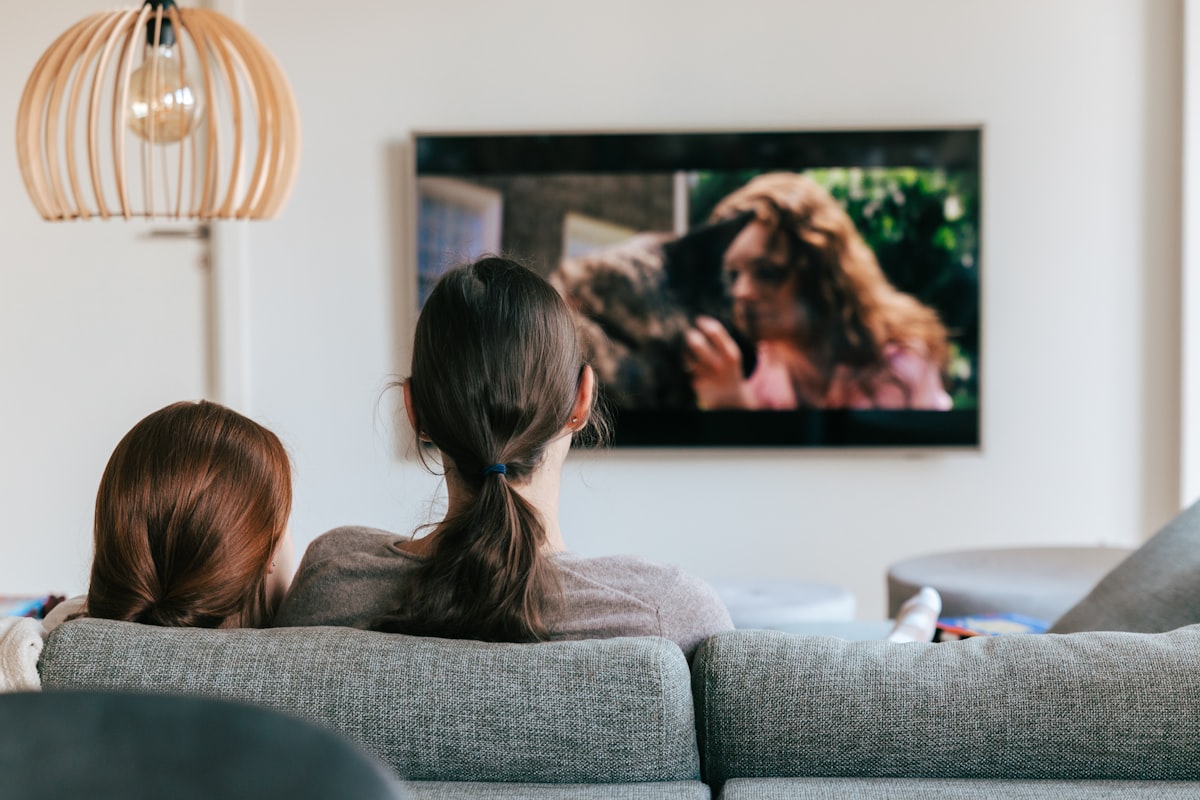
The last three episodes I watched past midnight were, in order, episodes I had not chosen to watch. The service counted down from five and started them for me, and I sat there, a grown adult with a morning, watching a countdown clock beat me three times in a row. If you’ve had that exact evening, and you’re trying to stop binge-watching past your bedtime, the mechanics matter more than willpower, so this post is about mechanics. The broader picture of screens at night lives in the screens and sleep guide; this one is just the series problem, because it has its own shape and its own cheap fixes.
Key takeaways
- Auto-play is the engine of the three-episode slide. Turn it off once and the engine stalls.
- Stopping is a decision, and bedtime is when you have the fewest decisions. Move the decision earlier.
- Reruns end on their own, because you already know who dug the hole. Cliffhangers don’t end.
- Have the replacement slot ready, or the vacancy fills itself with one more episode.
- An episode is fine. A feed is not. The test: can it end on its own, and does it come with a feed.
How the slide actually happens
Nobody sits down at 10 p.m. planning a 12:40 finish. It happens the same way every time, so it’s worth slow motion. You finish an episode you chose. The credits start, the service counts down, and the next one loads unless you intervene. Your hands are under a blanket. The remote is somewhere. The five seconds expire. That’s episode two, chosen by a default, and episodes three and four follow the same mechanics with weaker resistance each time, because you’re more tired and the sunk cost grows.
The cliffhanger does the rest. Each episode ends by opening a question, and your tired brain would rather answer it now than hold it overnight. Notice the shape of that: the show is engineered so that stopping feels like losing something. It isn’t, but at 11:20 at night, “find out what happens” reliably beats “find out at 7 a.m.”, and the platform knows it.
One detail from my own logs that I found slightly insulting: I couldn’t remember most of the last episode anyway. I’d been present for it the way you’re present for a waiting room. The viewing wasn’t the payoff. It was just the machine’s answer to an empty half hour, and it billed me for the whole night.
The two-minute fix
Turn off auto-play. It’s in the settings of the service you actually use at night, it’s free, and it takes less than two minutes, once, forever. “Auto-play is a setting, not weather.” After that, each episode ends and stays ended, and the next one becomes a decision you make from the couch with your whole mind, not a countdown you lose by default.
The change sounds trivial and isn’t, because it moves the decision to a moment where you still have a mind to make it with. Ending an episode at 10:40 with the lights already dim is easy. Starting-or-not-starting a new one at 10:40 is easy too, when nothing auto-starts. The same choice at 11:40, mid-slide, is nearly impossible. Same decision, different hour, different outcome. That’s the whole case for the setting.
I kept the shows, for the record. The one change was that each episode now ends, and I’m asked nothing, and the couch hands me back to the evening. Most nights that’s where the night quietly ends, which surprised me more than any of the dramatic-sounding interventions I’d tried over the years.
Picking what actually ends
The second lever is what you put on in the first place, and the test is two questions. “Can it end on its own, and does it come with a feed.” A rerun passes both: you already know who dug the hole in the forest, so there’s no question to answer, and the episode ends with everyone alive and the credits standing still. New prestige drama fails both, gloriously, at 11 p.m., on a Tuesday.
This is why my own evening slot ended up being things like old sitcoms, cooking competitions, and nature documentaries I’ve seen twice. Not because they’re noble. Because they’re structurally safe. The stakes are low, the resolution arrives inside the episode, and nothing engineered into the format asks me to continue. Nobody ever lost a night’s sleep to a baking show ladder.
What fails the test even when it looks innocent: anything with a queue. Autoplaying YouTube, curated-for-you lists, shorts. The episode was never the product. The queue was. If the interface’s main talent is producing a next item, it doesn’t belong in the last hour, no matter how dim the screen is. That last-hour boundary is part of the wider wind-down, and it slots into what to do the hour before sleep.
Filling the space you win back
The boring truth about stopping is that stopping leaves a hole, and holes refill themselves by default. If the plan for the freed twenty minutes is nothing, the plan will become one more episode, the manual kind this time. So have the replacement ready before the credits roll: the book on the nightstand, face down at your page. The shower running. Tomorrow’s shirt over a chair.
Mine was a paper book, twenty pages, under a lamp, after the TV went off. The first week it felt like a demotion. The second week it felt like the best part of the evening, which I did not see coming, and which I attribute entirely to the fact that it ends on its own. Chapters finish. Nobody counts down from five.
If the whole last hour tends to run away from you, the fuller routine, lights down, body slot, room slot, lives in the evening routine checklist. The series fix isn’t the whole routine. It just clears the biggest obstacle out of the runway.
The honest limits
Some people’s binge-watching is a symptom rather than the disease. If the evening is the only unclaimed hour in a day that starts at 5:30 and ends at 11, the slide is doing a job: it’s the only slot that asks nothing of you. In that case the fix isn’t discipline, it’s noticing what the hours before the last one are costing, because no setting change outmuscles a life with no off-ramp. That was me for about three years, and the TV was just where it showed.
And a fairness point, because I’ve earned the right to say it: there will be weeks where you watch four episodes on purpose, and enjoy it, and it costs nothing. That’s a life, not a failure. The problem isn’t watching. It’s the watching you didn’t choose, billed to a night that needed the hours. If mornings are getting heavy more often than not, that’s the signal, and it’s worth a conversation with a doctor too if it comes bundled with chronic broken nights.
Frequently asked questions
Why is it so hard to stop binge-watching at night?
Because the default is designed to continue. Auto-play counts down five seconds and starts the next episode unless you act, credits roll straight into the next cold open, and every cliffhanger asks a question your tired brain would rather answer than defer. Stopping requires a decision precisely when you have the fewest decisions left.
What is the single most effective setting change?
Turn off auto-play for the service you actually use at night. It’s free, it takes under two minutes, and it converts the next episode from a default into a choice. Auto-play is a setting, not weather.
Does watching an old show instead of a new one help?
More than it should, honestly. A rerun has no cliffhanger, since you already know who dug the hole, so it ends on its own instead of pulling you forward. The two-part test for any bedtime viewing: can it end on its own, and does it come with a feed.
What do I do with the time left over after I stop?
Have the replacement ready before you need it, or the vacancy fills itself with more episodes. Twenty minutes of a paper book under a lamp works, and so does a shower or tomorrow’s clothes over a chair. Boring is the on-ramp to sleep.
Is some nighttime TV fine, or does it all wreck sleep?
An episode that ends and stays ended is fine for most people. The damage comes from the mechanics: auto-play, feeds, and three-episode slides that push lights-out past your window. If the content wakes your mind up, it barely matters that the screen is dim.
The countdown never beat me again, for what it’s worth. Not because I got stronger at 11 p.m., but because there’s no countdown anymore, and the couch hands me back at a reasonable hour like a colleague with no opinions. The whole screens toolkit, docking, auto-play, the ten-dollar clock, is one chapter of Sleep, Finally, and it’s the cheapest furniture I own.
This guide is educational, not medical advice. If late-night watching is the only thing holding together a chronically broken night’s sleep, talk to a doctor.