Morning Light & Sleep
How to Get Morning Light for Better Sleep Tonight
By Nora Vale · December 23, 2025 · 7 min read
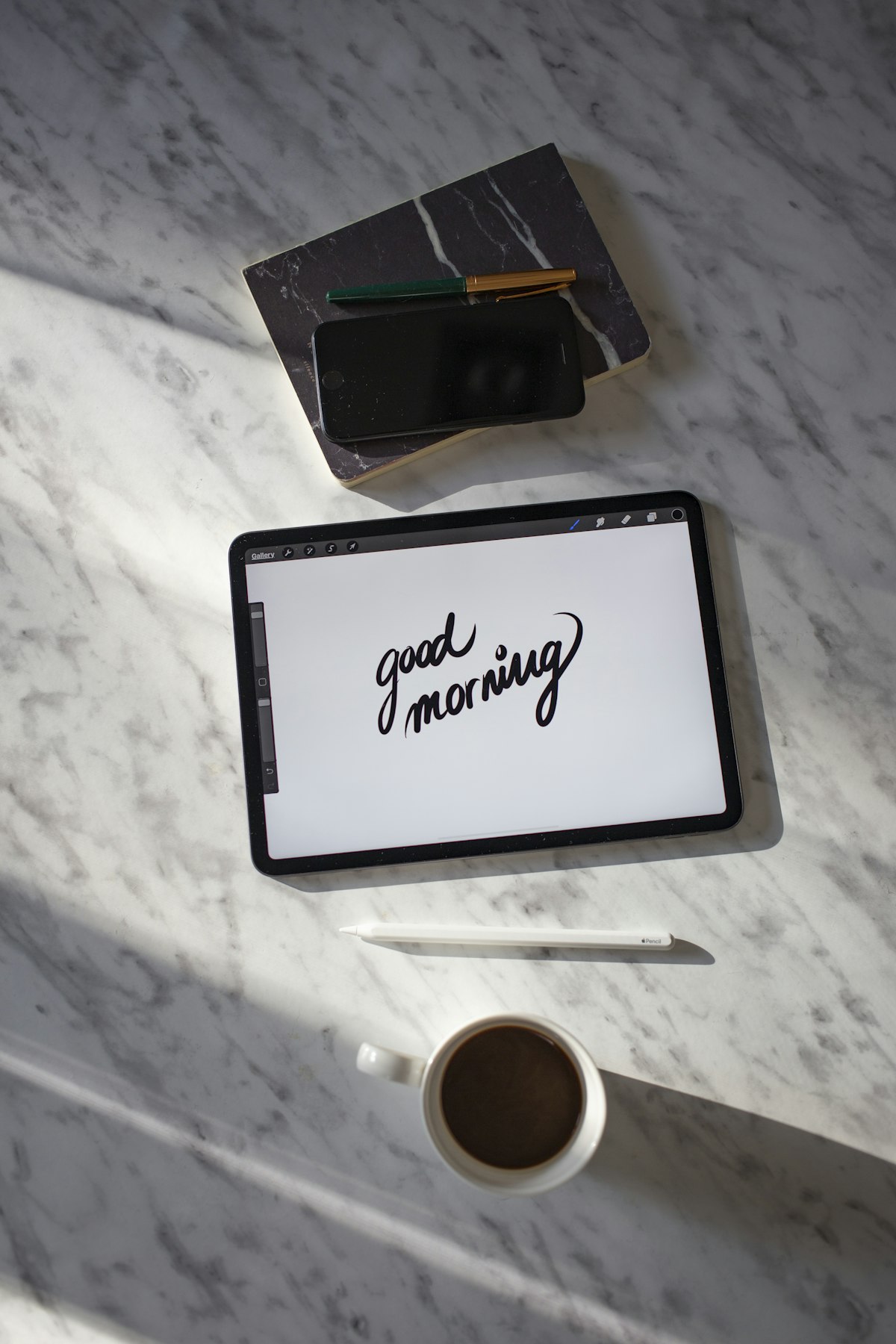
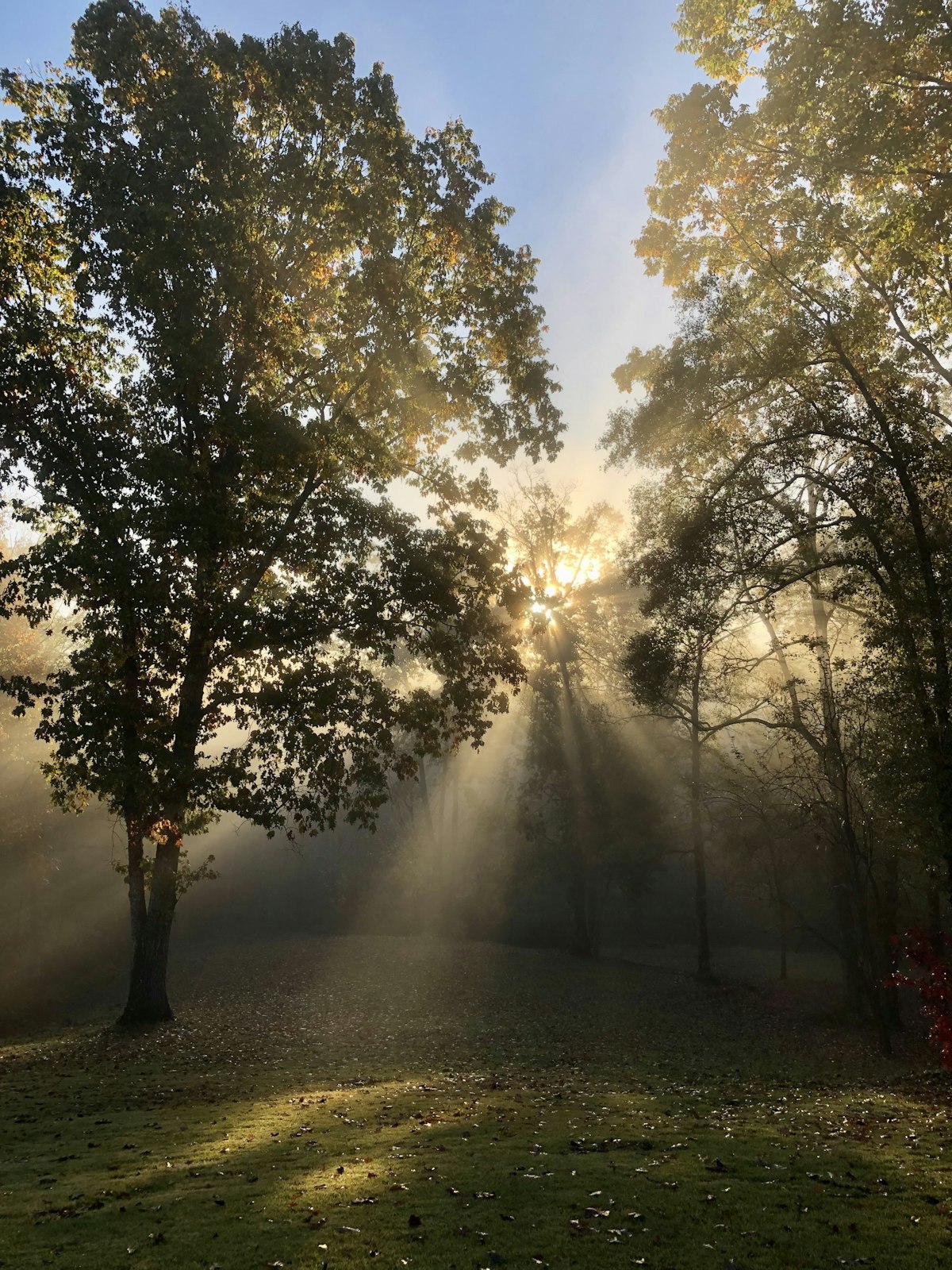
My whole morning-light routine is standing on the front step holding a coffee mug, watching weather happen, usually before I’m fully a person. It is the least impressive habit in the entire sleep project, and by my own accounting it moved the needle more than anything else I tried. The reason it works isn’t mystical. “Bedtime is where you collect on decisions made twelve hours earlier, and the biggest of those gets made right after you open your eyes.”
This post is the practical version, the how and the how much. The mechanism and the research live in the full guide to morning light and sleep.
Key takeaways
- Get outside within an hour of waking for ten to thirty minutes; the morning dose sets the clock that decides tonight’s drowsiness.
- Gray days count. The grayest January sky is still ten to a hundred times brighter than your kitchen with every bulb burning.
- Window light and office light don’t deliver the dose. Your eyes say this is plenty; your clock says the sun never came up.
- Staple the light to a habit that already happens, like the first coffee, and it runs itself.
- Morning light won’t knock you out at bedtime, not on night one. Judge it in weeks.
Why the morning decides the night
Your internal clock isn’t a perfect twenty-four-hour machine. Left alone in constant dimness it drifts later, day after day, which means it needs resetting every morning, and the strongest reset signal it accepts is daylight through your eyes. Chronobiologists call input like this “time-givers,” which is exactly what it sounds like: the signal that tells the clock what time it is.
The timing rule that follows from this is short enough to memorize. “Morning light pulls the clock’s schedule earlier. Evening light pushes it later.” Every dose works for you or against you depending on when it arrives, which is why the bright kitchen at 11 p.m. and the bright sidewalk at 8 a.m. are opposites wearing the same physics.
So what does the morning dose actually buy? An earlier, firmer drowsiness window at night. Melatonin, the hormone your brain releases as darkness falls, isn’t a sedative. “Melatonin doesn’t shove you into sleep. It unlocks the door, dims the hallway, and lets sleep walk in on its own.” A well-set clock unlocks the door at a predictable hour. A clock that never got its morning signal drifts, and you spend the evening wide awake at 11:30, wondering when you stopped being tired.
One clarifying line, because I carried this misconception for years: “You’re not topping up vitamin D out there. You’re setting a watch.” The walk isn’t for your blood work. It’s for the clock.
The method, stripped to its bones
Here is the entire prescription, and I apologize in advance for how boring it is.
Go outside within the first hour after waking. Ordinary clothes, no sunglasses, no need to face the sun or do anything with your face at all. Stay ten to thirty minutes on a clear or bright morning, thirty to forty on a gray one, or split it into two shorter doses. No exercise required, no productivity required, no phone required, and the phone is better left inside anyway.
The lux arithmetic is what makes the outdoors non-negotiable. Indoors, even a well-lit home runs a few hundred lux at best. An overcast day outside starts around a thousand and climbs from there. “The grayest January sky over the ugliest parking lot is still ten to a hundred times brighter than your kitchen with every bulb burning.” That gap is why sitting by the window and the office fluorescents don’t count as a dose, no matter how bright they feel to your eyes. “Your eyes say this is plenty. Your clock says the sun never came up.”
Timing within the morning matters too. “The same ten minutes at noon is a lovely walk. It just isn’t the same signal.” Noon light is pleasant and worth having; it just doesn’t pull the clock the way the first hour does. And if you wake before sunrise, the fix is a two-step: flip on the brightest lamps you own for the first minutes, then get outside once the sky has done its work.
Attach it to the coffee
Habits don’t survive on intention; they survive on attachment. The morning dose sticks when you staple it to something that already happens at the same time every day, and the most reliable thing in most mornings is the first caffeine.
“Coffee on the porch counts. Tea on the front steps counts.” The drink is the anchor; the light is the payload. My own version is the front step, mug in hand, no phone, ten minutes of doing precisely nothing. Grace’s version chose her: a nervous terrier that demanded the yard at 7:15 every morning, rain included. She changed nothing else, not her bedtime, not her screens, and within two or three weeks she was falling asleep around 10:40 without noticing when that had started. Then came a rainy February week with shortened walks, and her restless nights came back, which made her the accidental owner of a clean A/B test on her own body.
Bill’s version proves there’s always a workaround. Basement office, parking garage where the sky should be, midnight wakefulness with no villain in sight. His mornings were unrecoverable, so he repaired instead: a twenty-minute outdoor walk at lunchtime, five days a week, plus weekend coffee on the back steps before nine. The lunch walk isn’t the same signal as the morning one, but it’s repair, not replacement, and it pulled him out of the fog within weeks. If your job eats your mornings, that’s the template: hold the wake time, take the noon walk, treat the weekend porch as the stitching that holds the patchwork together.
Winter, misses, and honest expectations
December deserves its own paragraph, because this is the season when everyone quietly gives up. The gray winter morning still delivers, it just asks for more time: thirty to forty minutes, or two shorter trips, since a December sky still beats the living room by a factor of ten at minimum. Hold the same wake time all week, flip the lamps on when you rise, and grab whatever sun shows up over the rooftops. The winter mornings guide goes deeper for the months when the sun barely clocks in.
Now the honest expectations, because this is where people quit over a misunderstanding. “Morning light won’t knock you out at bedtime. Not on night one.” The clock moves in small daily steps, and the payoff shows up on the scale of two to three weeks, not one dramatic Tuesday. The people who benefit are the people who stop grading it nightly. If you want to grade something, grade attendance: did the light happen today, yes or no, and a missed morning costs a little ground rather than the whole project.
And if two honest weeks of outdoor mornings changes nothing, write that down too, because an experiment that clears your morning light of suspicion is still a win. The thief was something else, and the log just narrowed the list. That’s the deal this habit offers: cheap, boring, and on the record.
Frequently asked questions
How does morning light help sleep?
Bright light in the first hour after waking resets your internal clock, which then times the evening release of melatonin. Morning light pulls the clock earlier; evening light pushes it later. Get the morning right and the drowsiness window arrives on schedule at night.
How much morning light do I need?
Ten to thirty minutes outdoors within an hour of waking, without sunglasses. On gray or winter mornings, aim for thirty to forty minutes, or two shorter sessions. Coffee on the porch counts. So does tea on the front steps.
Does light through a window count?
Not really. Glass and distance cut the dose so far that your eyes say this is plenty while your clock says the sun never came up. A December sky over a parking lot is still ten to a hundred times brighter than a kitchen with every bulb burning.
How long before morning light improves my sleep?
Give it days, not nights. The clock shifts in small steps, and most people notice the change after two to three weeks of consistent mornings, not the first night. Consistency is the active ingredient, and a missed morning just costs a little ground.
Tomorrow’s version needs no equipment: first coffee behind the front door, phone left inside, ten minutes of watching weather happen. Do that for two weeks before you judge it. The complete system, including the worksheets, is in Sleep, Finally.
This guide is educational, not medical advice. If sleep problems persist for months or wreck your days, see a doctor.