Bedroom & Sleep Environment
How to Cover LED Lights in the Bedroom
By Nora Vale · June 12, 2025 · 7 min read
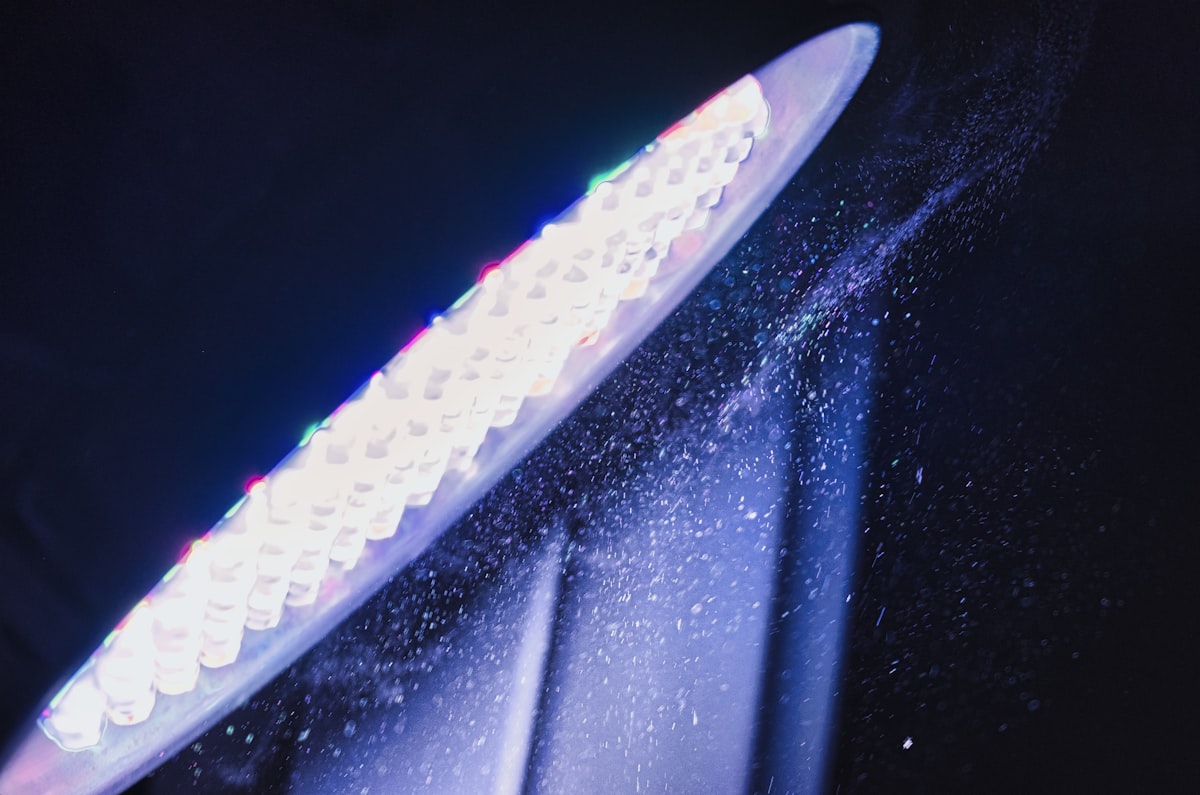
The winter I finally counted them, my bedroom had seven glowing points: the router, the alarm clock, the television’s standby eye, two charger cubes, the smoke detector, and a phone that pulsed every time a message landed. Each one looked harmless. All of them together were the reason my brain never quite slid under. If you’ve been sleeping near a constellation of tiny lights, here’s how to cover LED lights in the bedroom in one evening, for about two dollars. The whole room system is in the bedroom sleep environment guide.
Key takeaways
- Retinas report light to the brain all night, and even pinprick LEDs register.
- Electrical tape, a sticky note, and masking tape cover most rooms in ten minutes.
- The raised-arm test, five minutes of dark adaptation, then a hand in front of your face, finds every pinprick you’ve stopped seeing.
- Covered lights look silly for about a week and then vanish from notice entirely.
- The room is necessary, not sufficient. It sets the floor the rest of your habits build on.
Why a tiny light matters at all
The honest question, and I asked it myself for a year while those points blinked at me, is how a dot the size of a lentil could matter. The answer is that your retinas don’t sleep. They report illumination to the brain continuously, all night, and the brain reads the report the way it reads any light: as a claim that the day is still running. The individual pinprick is trivial. The report never stopping is not.
The reason most people never connect their LEDs to their sleep is that the evidence looks innocent in daylight. “None of it looked like a problem. It looked like a normal bedroom, which is exactly why it took me another year of lying awake to connect those pinpricks to the fact that my brain never quite slid under.” A normal-looking bedroom is precisely the problem, because nobody audits what looks normal.
And there’s a second cost that’s easier to feel than explain: every glowing point is an invitation to open your eyes. You surface briefly at 2:40, the way all humans do between sleep cycles, and the room offers you a blinking router and the time in red numerals. The waking was nothing. The re-engagement is where the night gets lost.
The ten-minute, two-dollar fix
Here’s the whole shopping list: electrical tape, one sticky note, and masking tape, most of which you already own. “Electrical tape over the router light, a folded sticky note on the clock face, a small square of masking tape over the television’s standby eye.” Work the room once with a purpose, and ten minutes covers it.
Start with the router, usually the brightest offender, and tape the whole starburst of LEDs, not just the power light. The clock gets the folded sticky note, which has the advantage of peeling off cleanly when you travel. The television gets a masking-tape square over its standby eye. Charger cubes go on a power strip you can actually switch off, or face the wall. The smoke detector you leave alone, because that one’s a safety device, and the small red dot it shows is the exception I accept in every room I’ve ever darkened.
Do the audit before the taping, not after, because the counting is what convinces you. Seven points felt like trivia until I wrote them down and looked at the list as a whole: every one of them a small claim that the day was still open for business. The list is also what you re-check seasonally, because devices migrate. A new gadget arrives with its own tiny sun, and within a month the room has a fresh pinprick nobody remembers installing. The two-minute re-audit twice a year keeps the room from drifting back.
My husband thought the taped router looked ridiculous for about a week. Then he stopped noticing it, the same way you stop noticing everything once the room is genuinely dark, and that’s the whole arc. “A room doesn’t have to be yours to work. It just has to stop arguing.” Nobody grades your bedroom at midnight. The people who would judge the tape are asleep in their own untaped rooms.
The raised-arm test
Before you tape anything, find out what you’re dealing with, because eyes are terrible auditors of rooms they’ve adapted to. Lights off, sit on the bed, wait five minutes for full dark adaptation, then raise your hand in front of your face. If you can see it clearly, the room is too bright, and the pinpricks and leaks are why. If it’s a faint shadow, you’re close, and the tape will finish the job.
Then do the test again after taping, because the difference is the point. A room that passes the raised-arm test is one where your retinas stop filing their nightly report, and that’s the condition the rest of your sleep depends on. For the bigger light leaks, the window-sized ones no sticky note can cover, the post on why your bedroom should be dark handles blackout, and should I charge my phone outside the bedroom rehomes the brightest screen in the house.
One honest limit, because I’d rather say it here than have you discover it at 3 a.m. with a taped router and a wide-open mind: the room is necessary, not sufficient. “So the room is necessary, not sufficient. It sets the floor, and the rest of the book builds on that floor.” I once slept in a perfectly dark, perfectly cool, perfectly quiet room and lay awake doing ceiling math anyway, because the 4 p.m. coffee and the 9 p.m. wine and the unfinished argument had done their own work. The tape is step one, not the whole staircase.
Frequently asked questions
Why do LED lights in the bedroom matter for sleep?
Your retinas report light to the brain all night, and even tiny standby points register as enough signal to keep the brain half-dressed for sleep. Pinpricks look harmless in the daytime and quietly hold you near the surface at night.
What’s the best way to cover LED lights?
Electrical tape over the router light, a folded sticky note on the clock face, a small square of masking tape over the television’s standby eye. Two dollars of tape covers a whole room in ten minutes.
How do I know if my room is dark enough?
The raised-arm test: lights off, five minutes for your eyes to adjust, then raise your hand in front of your face. If you can see it clearly, there’s too much light, and the pinpricks are the usual suspects.
Won’t covered lights look ridiculous?
For about a week, and then nobody in the house notices them at all, the same way you stop noticing anything once the room is properly dark. Guests don’t grade your bedroom at midnight. They aren’t there.
Should I cover the smoke detector light too?
No. That one is a safety device doing its job, and the small dot it emits is the exception I accept. Cover the router, the clock, the TV standby, and the chargers, and leave the detector alone.
The chapter behind this post, including the full four-dial room audit, lives in Sleep, Finally. Tonight’s version: run the raised-arm test, tape what blinks, and leave the smoke detector doing its job.
This guide is educational, not medical advice. If sleep problems persist despite a properly dark room, a doctor is the right next step, no shame in that.