Stress & Cortisol
Coffee on Stressful Days: When to Cut Yourself Off
By Nora Vale · May 11, 2026 · 7 min read

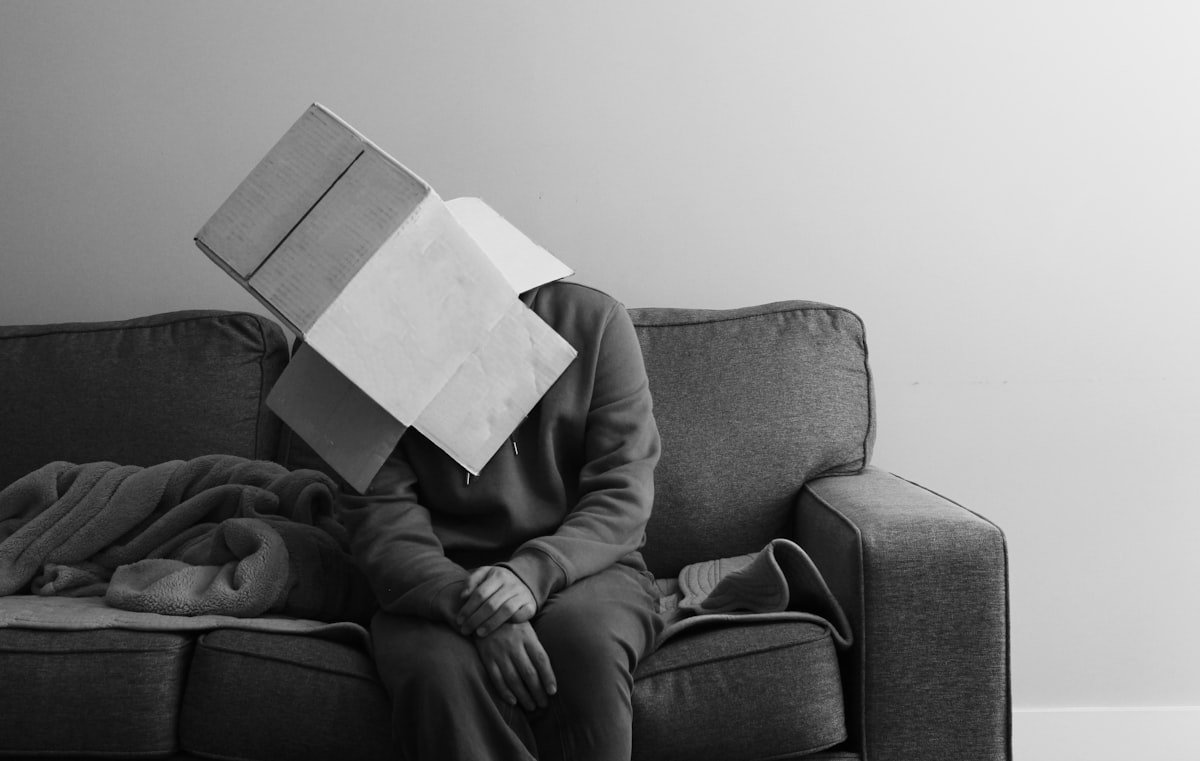
There’s a specific 11 p.m. that belongs to hard days. The day ran long, the meetings ran hot, you had a third coffee at three because two wasn’t touching it, and now you’re flat on your back with an engine idling, doing tomorrow’s rehearsal at midnight speed. You didn’t imagine any of it. It’s addition.
Stress and caffeine are the two ingredients of that night, and they compound rather than coexist. The full stress mechanism is in my guide to stress and sleep, and the caffeine mechanics are in caffeine and sleep. This post is about the overlap, because the coffee cutoff you can keep on a good Tuesday is exactly the one that collapses on a bad Wednesday, and the bad Wednesday is the night that pays.
Key takeaways
- Caffeine and cortisol push in the same direction; on stressful days the same cup lands on an already-elevated baseline.
- Bad nights and coffee form a loop: short sleep, more caffeine, lingering caffeine, another short night.
- The cutoff matters most on the worst days, which are exactly the days it feels least possible.
- The swap is ritual-preserving: a walk, decaf in the same mug, or the worry window that does the job the cup was covering.
- If wrecked nights run three or more a week for three months, that’s past what any cutoff fixes, and the conversation belongs with a doctor.
Why the same cup costs more on a hard day
Cortisol has been slandered by a decade of supplement marketing, and the fair version is this: it isn’t a villain, it’s a shift worker, high in the morning, sliding downhill to a floor around midnight. Chronic worry flattens that hill into a plateau that runs from mid-morning to late night, so eleven o’clock arrives carrying chemistry that ten hours earlier would have passed for nine a.m. That’s the baseline a hard day hands you.
Caffeine, meanwhile, doesn’t add energy so much as hide the receipt for energy you already spent. On an ordinary day, the third cup does ordinary things. On a hard day, the idle has been sitting high since the first worry of the morning, and the same cup at three o’clock lands on chemistry that was already running warm. “It isn’t your imagination. It’s addition.”
The readouts are visible all day if you know to look: the jaw that aches by Wednesday from clenching, the shoulders that live near your ears, the snap at a slow grocery line followed by an apology to a stranger. None of those is a diagnosis. They’re gauges, and the cup you’re contemplating at three is going onto those gauges.
The loop that runs backwards
Here’s the mechanism that turns one hard day into a hard week. A short night leaves extra drowsy cargo, so the morning demands coffee, the second cup follows at eleven because the first is dissolving under the day, and the third arrives at three out of pure siege logic. The coffee lingers in your system longer than the lift lasts, bedtime arrives with the chemistry still elevated, and by eleven you’re tired but wired again, staring at a ceiling you funded at three that afternoon.
The state has a name, tired but wired, and it’s a chemistry report rather than a character flaw: worry blocks your perception of the sleep pressure that’s genuinely sitting in the system, so the cargo is real while the readout insists otherwise. The fuel gauge is what’s wrong, and the fuel gauge is worry. The cup was your attempt to work with a broken gauge, which is why willpower alone doesn’t settle it.
This is why the caffeine cutoff matters most on the worst days of the worst weeks, which are exactly the days following it feels least possible. The cutoff’s whole job is to keep tonight’s chemistry from being funded by this afternoon’s panic, and the panic is what makes the afternoon cup feel non-negotiable. Keep it anyway. The number that matters is hours, not virtue: most people do well with the last full-strength cup six to eight hours before bed, so an eleven o’clock bedtime puts the cutoff in early-to-mid afternoon. The full timing arithmetic is in how long before bed you should stop drinking coffee.
The swap that keeps the ritual
Cutting the afternoon cup on a siege day fails if it leaves a hole, because the cup was doing two jobs: chemistry, and the ten-minute border it drew in the middle of an unravelling day. Keep the border, change the chemistry. The candidates:
- The walk you were going to skip. Ten or twenty minutes around the block, dull on purpose, no phone, no fitness target. It works because it doesn’t know what it’s for, and it lowers the evening’s floor to somewhere sleep can reach.
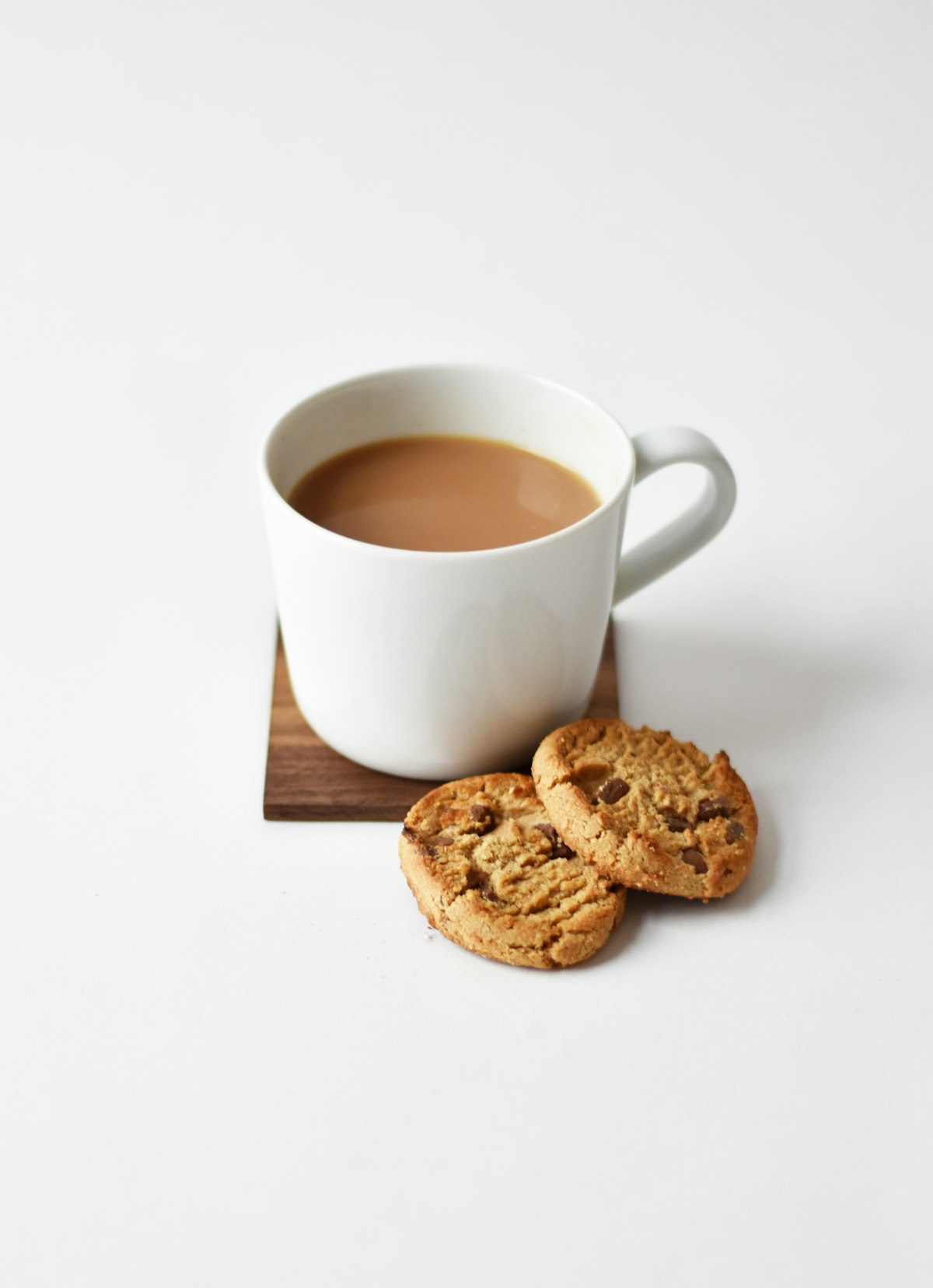
- Decaf in the same mug at the same time. Nobody is fooled about the chemistry, and that isn’t the point. The ritual is most of what you’re missing.
- The worry window, earlier. Much of what the afternoon cup was medicating is unfinished business, and the page with two columns at the kitchen table closes the loops the caffeine was masking. If the three o’clock slump is actually dread with a timestamp, how to stop bringing work to bed is the upstream fix.
One pattern deserves its own flag: the fake downshift. Scrolling feels like a break because your hands are finally still, but it’s input, more voices, more arguments, the fire in pocket format. A shower with a podcast half-heard is a break. The same shower with a comment section propped on the sink is a second shift. If the coffee swap turns into a scroll, you’ve traded one thief for another.
When the cutoff isn’t the problem
The honest flaw, heard from me rather than discovered in October: some weeks are genuinely bad, a diagnosis in the family, a job ending, a marriage ending, and on those weeks sleep hygiene of any kind is a bucket in a rainstorm. The page gets written, the walk happens, the cutoff holds, and the night is wrecked anyway, because the system has an actual fire and no technique talks a real fire out. On those weeks, lower the bar to one anchor, the same wake time seven days running, and let everything else be graded pass-fail where everything passes.
And one border, said with respect. If the wrecked nights run three or more a week for three months straight, that’s past what habits and cutoffs describe, and the conversation belongs in a doctor’s office, where treatments exist that outperform everything in this book combined. Making that appointment is a sleep skill like any other.
The goal isn’t a calm life, it’s a scheduled one. Mine has a cutoff at two, a walk booked after dinner, and a worry window at seven, and the life stayed exactly as stressful. The nights stopped joining in. The full system, cutoff arithmetic and all, is in Sleep, Finally. Today’s version: look at the clock before the third cup, and if the afternoon is past its gate, take the walk instead and keep the mug for decaf.
This guide is educational, not medical advice. If anxiety and sleeplessness feed each other for months, that pattern belongs with a doctor.
Frequently asked questions
Does stress make caffeine hit harder?
It’s addition, not imagination. Caffeine and cortisol push in the same direction, and on a stressful day the baseline is already elevated, so the same three o’clock cup lands on chemistry that was running warm before the first sip.
Why do I need more coffee after a bad night, and then sleep badly again?
Because the loop runs backwards. A short night leaves extra drowsy cargo, the cargo demands coffee, the coffee lingers longer than the lift lasts, and by eleven you’re tired but wired again, staring at a ceiling you funded that afternoon.
What time should I stop drinking coffee on stressful days?
The same cutoff as ordinary days, roughly six to eight hours before bed, and the discipline matters most on the worst days because stress extends the idle the caffeine feeds. If your bedtime is eleven, the last full-strength cup belongs to early afternoon.
What can I swap for the afternoon cup?
Keep the ritual, change the chemistry: a walk around the block, decaf in the same mug, or the worry window that offloads what the cup was covering. The ritual is most of what you’re missing anyway.