Sleep Red Flags & Help
Can a Sleep Tracker Spot Apnea Patterns?
By Nora Vale · December 13, 2025 · 7 min read
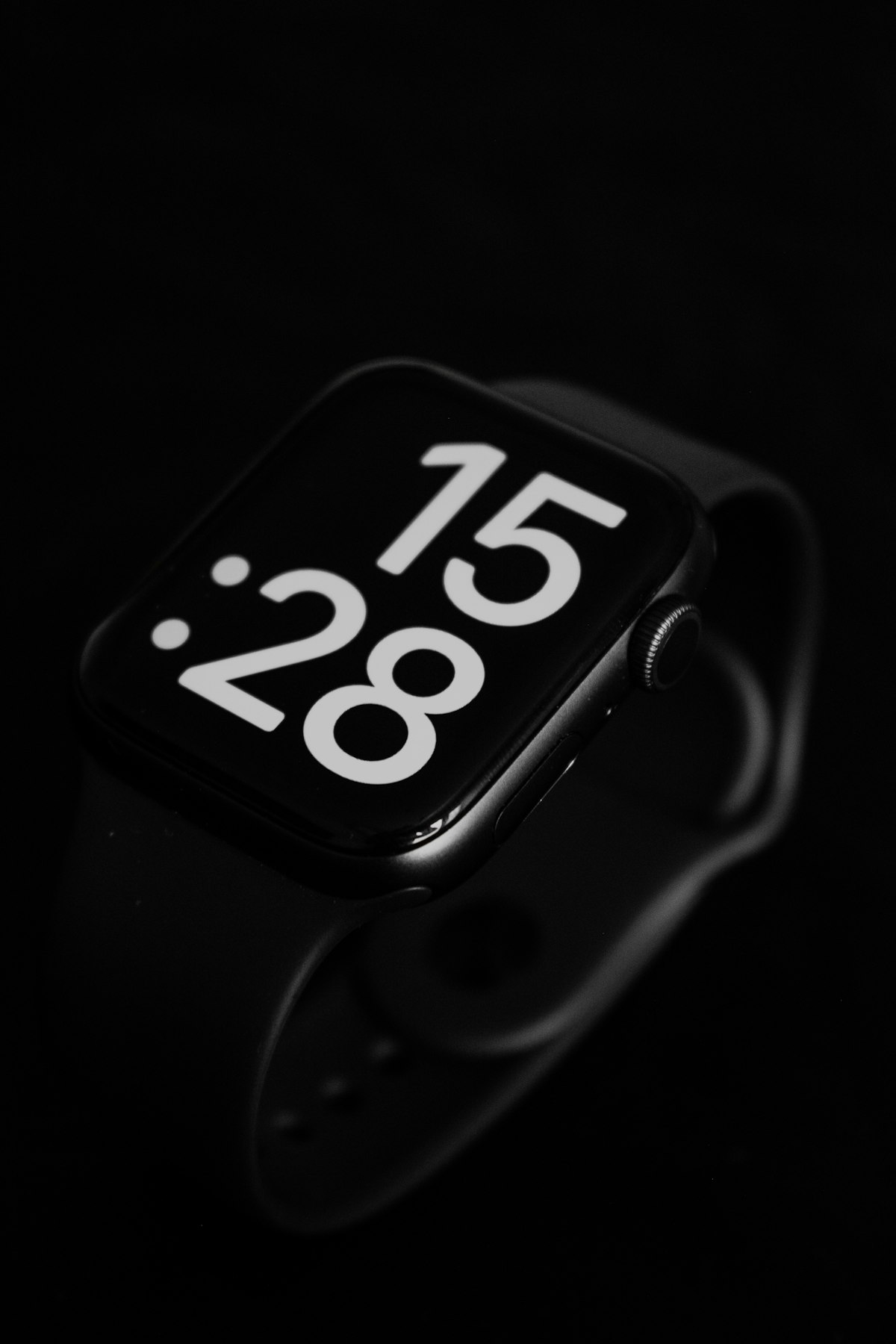
A friend of mine spent a full year negotiating with her sleep tracker before she saw anyone with a medical degree, because the tracker kept insisting she was fine while she kept waking up feeling like she’d been in a fight. The device said ninety-one. Her mornings said something else. That gap, between what a wrist device can see and what apnea actually does, is the whole subject here, and I’d rather you learn it from a blog post than from a year of scores. The sleep red flags guide is the bigger frame; this is the tracker-shaped corner of it.
First, the honest capability statement. Consumer trackers estimate sleep and wake using movement and heart rate, and some newer ones estimate blood oxygen and breathing disturbances. They’re built to give trends for healthy sleepers, and they’re reasonably good at that. What they don’t measure, airflow, breathing effort, the electrical activity a real sleep study records, is exactly what apnea is made of. Recognition is not diagnosis, and a tracker lives entirely on the recognition side of that line.
Key takeaways
- A tracker can surface patterns worth mentioning, but it cannot diagnose apnea, and nothing on its screen is a verdict.
- The signs that matter are trends: weeks of low scores despite adequate time in bed, overnight heart-rate elevation, oxygen dips if measured, plus a partner hearing snoring pauses.
- The apnea trio, loud snoring with pauses, morning headaches, and daytime sleepiness that coffee doesn’t fix, deserves a doctor regardless of what any device says.
- A seven-day sleep log and a partner’s notes are the evidence that actually helps a doctor, more than app graphs.
- Home sleep apnea tests are a legitimate, widely used diagnostic route your doctor can order.
What a tracker can legitimately see
Fairness first: trackers do catch some real smoke. If your device measures blood oxygen, repeated small dips overnight are the kind of finding that deserves a mention, because apnea’s signature is breathing pauses that nudge oxygen down. Overnight resting heart rate is similar: a heart that runs high all night, every night, is doing work it shouldn’t, and the trend is visible on most devices that track it.
Fragmented sleep graphs are the weakest signal but not nothing. Apnea’s whole trick is chopping sleep into pieces, and a device that shows you surfacing over and over despite eight hours of opportunity is at least pointing at the right crime scene. So the useful reading of a tracker is probabilistic: weeks of patterns that don’t match how much time you’re spending in bed.
What you should never do with those readings is diagnose yourself, and that includes the flattering direction. A tracker reassuring you that everything’s fine does not outvote a partner who has started counting your breathing pauses, which is how the book’s Frank got caught, by a wife counting silence on the other side of the mattress.
The evidence that beats any graph
If your tracker is whispering apnea, here’s what actually earns a doctor’s attention, in rough order of value.
A partner’s notes, or an audio recording: pauses in the snoring, ten seconds, twenty, then a gasp or a snort as breathing slams back on. That observation, written down with rough times, is worth more than every sleep score you’ve ever collected, because it documents the actual event.
A seven-day sleep log, the kind in the sleep red flags guide: bedtime, minutes to sleep, night wakings, morning feeling on a one-to-five scale, ninety seconds each morning. Seven rows turn “I’m always tired” into the kind of sentence a doctor can work with.
The daytime symptom list: morning headaches, a mouth dry as cardboard, falling asleep in meetings or behind the wheel, coffee that stops landing. And the trio, loud chronic snoring plus pauses, morning headaches, daytime sleepiness that caffeine can’t buy off, is the combination the book flags as deserving a doctor, because any one piece alone can be ordinary.
Bring those to an appointment and you’ll be the most useful patient of their day. Doctors work in minutes, and evidence respects their time.
From pattern to diagnosis
The actual diagnostic path is short and less dramatic than people fear. You describe the patterns, the doctor examines, and if suspicion is real you get a sleep test, often a home sleep apnea test, which is a small kit you wear for a night or two in your own bed. It measures airflow, breathing effort, and blood oxygen, the things a wrist device estimates at best, and it produces the numbers that lead to an actual answer and, if apnea is confirmed, actual treatment.
The book’s Frank, two floors down and the proud owner of decades of “I can sleep anywhere,” did the home study, got one page of results, and discovered he’d been, in the book’s phrase, suffocating politely, eight hours a night. The treatment worked, and ten years of unexplained tiredness got an explanation that fit on a single sheet. That’s what the diagnostic route buys: not a score, an answer.
The line I’d underline for tracker owners: making the appointment is not the failure. Grinding through years of low-grade exhaustion while optimizing a sleep score is the failure, and it’s a common one, because devices make optimization feel like action.
Where self-help ends, precisely
None of this means trackers are useless or that habits don’t matter. Self-help can retrain a wind-down, retune a bedroom, and re-time a body clock. It cannot open a closed airway. The honest division of labor is that habits fix the floor, treatment removes the rock, and an untreated condition sits underneath your nights like a rock under a mattress, out-arguing every routine you install.
Frequently asked questions
Can a consumer sleep tracker diagnose sleep apnea?
No. Diagnosis requires measuring breathing effort, airflow, and blood oxygen overnight, which is what a medical sleep study does. A wrist tracker is a hint machine, not a diagnostic device, and nothing on its screen is a verdict.
What patterns are worth mentioning to a doctor?
Trends, not single nights: consistently low scores despite enough time in bed, elevated overnight resting heart rate, blood-oxygen dips if your device measures them, and fragmented graphs. A partner’s notes about snoring pauses are worth more than every graph combined.
My tracker says my sleep is terrible. Should I panic?
No. Consumer devices misjudge sleep stages regularly, and a bad week of scores can reflect the sensor, alcohol, stress, or an unfamiliar bed. What deserves follow-up is a persistent pattern combined with how you actually feel during the day.
Is a home sleep test as good as a lab study?
For typical obstructive sleep apnea, home sleep apnea testing is widely used and accepted, and your doctor decides which fits your case. The book’s Frank got his answers from a home study, and one page of results explained ten years of tiredness.
Why not just buy a mouthpiece and skip the doctor?
Because untreated apnea is a medical condition with real consequences, and over-the-counter gadgets don’t treat it. Self-treating based on a consumer graph can waste years, which is why the trio of signs deserves a doctor, not a purchase.
So keep the tracker, if you like it, and read it as a smoke detector rather than a fire investigator. When the patterns point somewhere, log a week, ask your partner what they’ve heard, and take all of it to a doctor. The book that laid out the whole red-flag checklist is the Quiet Core Reset, and the appointment, if the patterns fit, is yours to make.
This guide is educational, not medical advice, and nothing here diagnoses anyone. If you or a partner notice breathing pauses during sleep, please talk to a doctor about a sleep evaluation.