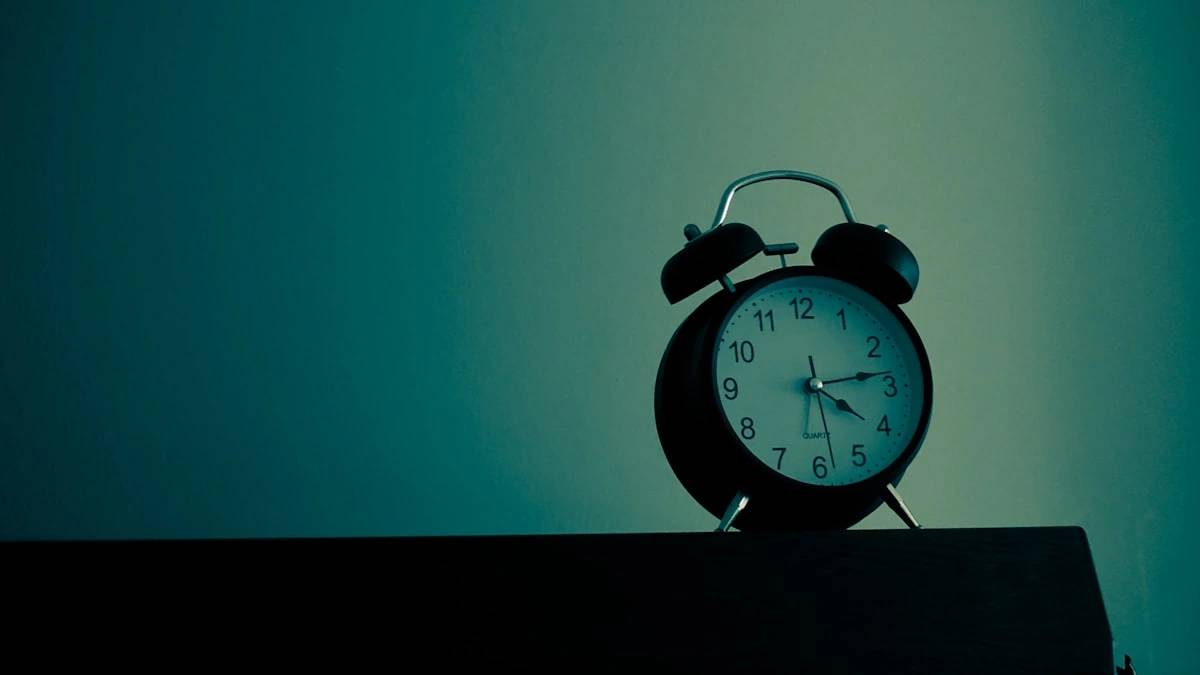
Waking Up at 3 A.M.
But I'll Be Wrecked Tomorrow: The One-Night Myth
By Nora Vale · March 6, 2026 · 7 min read

This is the objection I raised nightly for years, so I’m going to treat it with the respect it deserves: if I get up now, I’ll be destroyed tomorrow, so the only rational move is to stay in bed and force sleep to happen. I know exactly how reasonable that sounds at 3 a.m., because I believed it the way you believe gravity. The forcing is the problem. The forecast is also wrong.
“One shallow night is survivable, and I can say that with the confidence of a person who has collected a good number of them and is still functional, employed, and mildly smug about it.” That’s the whole thesis of this post, and everything below it is the mechanism and the day-after protocol. The framing comes from the waking up at 3am guide, where the difference between waking at night and staying awake at night turns out to be most of the fix.
Key takeaways
- One bad night costs far less than the fear of it, and the dread always quotes a worse day than the one that arrives.
- Sleep pressure self-corrects: the night after a bad one runs deeper and heavier on its own.
- What wrecks the repair is the morning-after lie-in, which shifts your clock like a time-zone change.
- The day-after protocol is boring on purpose: up on time, daylight, a walk, no rescue coffee, ordinary bedtime.
The math that makes the forecast wrong
Start with why the fear feels so convincing, because the fear isn’t stupid. Sleep pressure is the drowsy cargo your brain accumulates every hour you’re awake and unloads while you sleep, and a bad night leaves you with cargo still on board, so tomorrow genuinely starts in the hole. The forecast isn’t invented. It’s a reasonable reading of a real deficit.
What the forecast misses is the second half of the mechanism. “The longer you stay awake, the more of it builds, so the night after a bad one tends to run deeper and heavier than usual, your body collecting what it missed without asking for instructions.” The system self-corrects. One shallow night is followed by a night with a deeper first half, more slow-wave repair, more of the heavy sleep your body prioritizes when it’s behind. Your body has been handling one-off bad nights since before you could read, and it does it without a single technique.
The part that doesn’t self-correct is the part you do the next morning, and that’s where the myth earns its keep. The fear of being wrecked tomorrow drives exactly two behaviors that actually wreck tomorrow: the rescue coffee at noon and the lie-in until eleven. Both feel like management. One of them borrows against tomorrow night’s sleep, and the other relocates your body clock.
What actually wrecks tomorrow
The rescue coffee is the smaller crime, and it still deserves naming. The noon cup after a bad night keeps you functional through the afternoon, and its half-life means a quarter of it is still circulating at midnight, which thins the recovery night your body was about to run deep. You’ve traded a rough day for a rougher night, which is a bad trade available at every vending machine.
The lie-in is the bigger one, and it’s the single worst day-after move in the whole repertoire. It feels like repayment in the moment and works like a time-zone change by the weekend. Lying in until 11 after a 6:30 week picks your body clock up and sets it down in a later time zone, which means tonight’s melatonin arrives late, sleep comes late, and tomorrow morning’s alarm lands in the middle of your night again. One bad night has now become two, and the second one was manufactured by the attempt to recover from the first.
This is why the fixed wake time matters most on exactly these mornings, the ones it’s hardest to defend. Getting up on time after a terrible night isn’t discipline theater. It’s the move that keeps one bad night from becoming a pattern, and it’s the whole reason the method in the 3 a.m. guide insists the alarm stays put seven days a week, including the mornings after the late nights you had every intention of avoiding.
The day-after protocol
The medicine is boring, and none of it is heroic. Up on time, even though nothing about your body votes for it. Some daylight soon after, even ten minutes of gray sky, because light at the right hour is what tells the clock it’s still anchored. A walk, which spends some restlessness and builds the pressure tonight will run on. No rescue fourth coffee at noon; if you need something at the dip, make it a walk or a decaf and keep the ritual. And bedtime at the ordinary hour rather than an 8:30 retreat, because retreating early with a half-full pressure tank just produces another 2 a.m. surfacing.
That’s it. No nap worth taking, no early night worth gambling on, nothing to buy. “Carry one thought into the next 3 a.m.: the dread always quotes a worse day than the one that actually shows up.” I’ve run this protocol after enough bad nights to trust it the way I distrust the forecast, and the gap between the two has never once closed.
If the day genuinely requires functioning and the fog is thick, hold the wake time and spend your effort there rather than on the morning’s output. Lower the day’s demands where you honestly can. The one line that matters is the alarm, and everything else on a post-bad-night day is graded pass-fail where everything passes.
The forcing, named
There’s one more piece, and it’s the reason this post exists at all. The fear of tomorrow is what powers the staying-in-bed-and-forcing strategy, and forcing sleep has a name in sleep research: sleep effort. You can’t fall asleep, so you try harder, and the trying is precisely what keeps you awake. Effort is arousal. You can’t clench your way to unconsciousness, and the bed has become an exam room where you’re being graded on a performance nobody can give.
This is why getting up, which feels like surrender, is actually the treatment. Standing in a dim kitchen at 3 a.m. feels absurd, and it’s the absurdity that drains the effort out of the night. The 20-minute rule exists to make the decision mechanical instead of a nightly negotiation with the wrecked-tomorrow forecast, and the cognitive shuffle gives the forced-awake brain something too dull to argue with while the pressure rebuilds.
The method has an honest cost, and I’d rather you hear it from me: the first week or two of getting up feels worse, more time awake, more standing around feeling ridiculous. That’s the untraining, not the prognosis. “The method charges a bad week or two, and in exchange you stop doing this for the next decade.”
When one night becomes most nights
Everything above assumes the ordinary case, a bad night here and there with traceable causes. There’s a line. If you’re waking three or more nights a week, struggling to get back to sleep, for three months or more, and dragging through your days because of it, the pattern has a name, sleep-maintenance insomnia, and it responds better to structured treatment than to willpower or to any book. That’s a doctor’s appointment, and the first-line treatment, CBT-I, is worth asking for by name.
Chronic night waking isn’t a character flaw, and it isn’t rare. It’s one of the most common complaints sleep clinics hear, and asking for help is a sleep skill like any other in these pages. A seven-day log turns “I keep having bad nights” into evidence a doctor can use, and guessing keeps you going in circles while a week of notes moves you in one direction or the other.
Frequently asked questions
Will one bad night really wreck tomorrow?
No. One shallow night is survivable, and the damage from bad sleep comes from weeks and months. The dread always quotes a worse day than the one that actually shows up.
Why does getting out of bed feel like it will ruin the next day?
Because staying feels rational and getting up feels like surrender. In reality the forcing is what keeps you awake, and the forecast is sleep effort talking rather than evidence.
What should I actually do the day after a bad night?
Up on time, daylight soon after, a walk, no rescue coffee at noon, and bedtime at the ordinary hour. Boring, and it works.
Why is the lie-in so bad if I’m exhausted?
Because it shifts your body clock the way a time-zone change does, which books another rough night. It feels like repayment and works like jet lag.
When does a bad night become a real problem?
Three or more nights a week, for three months or more, with a daytime cost. That’s the line where a doctor and CBT-I enter, and it’s worth the appointment.
Tomorrow, negotiated
The next time the forecast shows up at 3 a.m., run the deal in reverse: get up on the boring protocol, hold the alarm, take the day the ordinary way, and see what tomorrow actually delivers. It has never once delivered what the ceiling promised me. The full method, logs, and the 3 a.m. protocol are in Sleep, Finally. The forecast is wrong. The alarm is right.
This guide is educational, not medical advice. If insomnia runs three or more nights a week for three months, or daytime sleepiness affects driving or work safety, see a doctor.