Social Jet Lag & Weekends
Best Sleep Masks for Late Weekend Mornings
By Nora Vale · October 19, 2025 · 7 min read
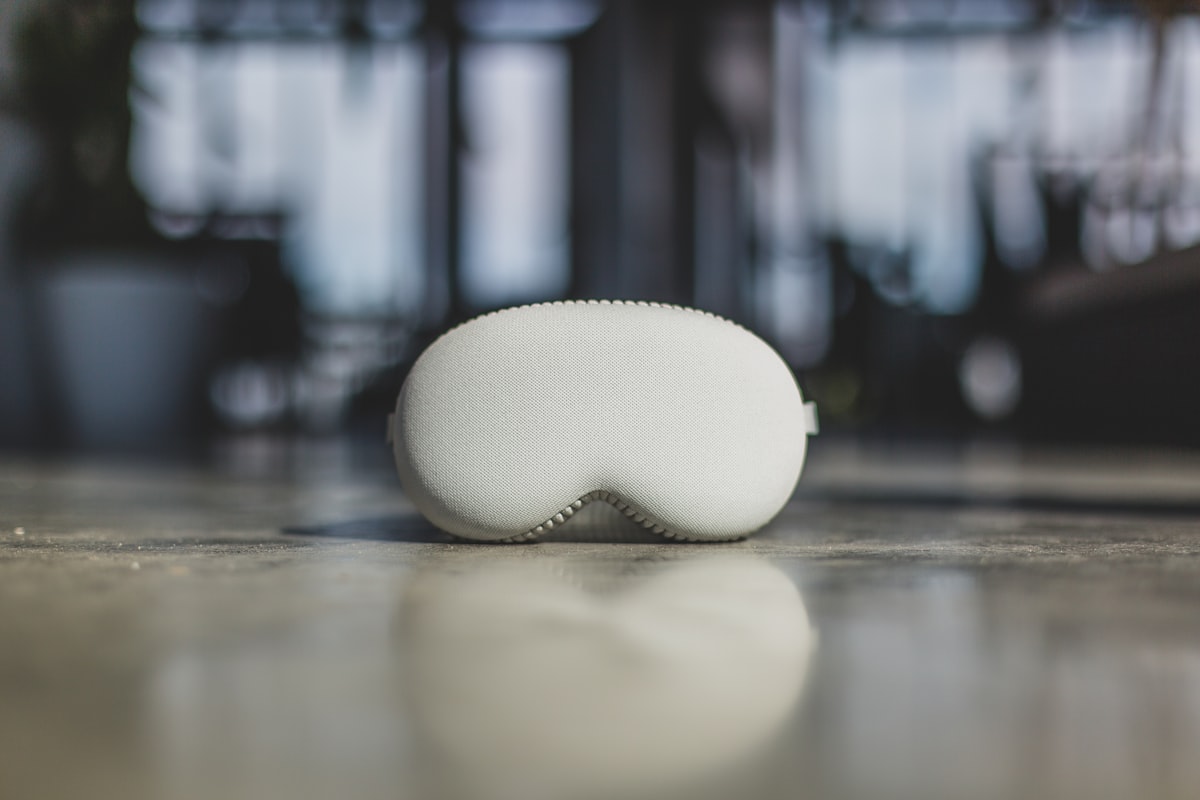
I bought my first serious sleep mask for exactly the reason in the title: I’d decided my Sunday mornings were sacred, all the way to eleven, and the sun disagreed around seven. The mask helped, and I’ll get to which features helped, because some of what I’ve bought over the years was story. But I’d be doing you a disservice if I didn’t say the bigger part out loud first: the mask treats the light, and the Sunday sleep-in itself is the thing quietly taxing your Monday. The social jet lag guide names that tax, and it’s worth reading before you spend anything.
Here’s the mechanism in two sentences. Your body clock reads light, and morning light is its loudest wake-up signal, so sun leaking through curtains at 6:40 is telling your brain the day started, however late you intended to sleep. A mask blocks that message, which genuinely improves the second half of a late morning’s sleep. What the mask doesn’t do is renegotiate Monday: drift four hours past your weekday wake time and you’ve flown three time zones east without leaving your bed, and the mask rides along to the Monday meeting like luggage. Both facts are true at once, and the trick is holding them together while you shop.
Key takeaways
- A mask solves the light half of late-morning sleep: blackout at the eye, especially the nose bridge, is the spec that matters.
- Contoured cups, a hair-friendly strap, and breathable fabric separate masks you’ll wear from masks in drawers.
- Sleeping in one to two hours past your weekday time is medicine; four hours is social jet lag with a silk blindfold on.
- If Sunday sleep-ins are the habit, the mask plus a steadier wake time beats the mask alone.
- Curtains do this job for the whole room; masks do it for one face and travel better.
What the mask actually has to do
Morning light is sneaky, and it has one preferred route: the gap where the mask meets the nose. Every other feature on the box is negotiable except blackout at that seam, so test it first. Put the mask on in a bright room, face the window, and look down at your feet, the classic late-sleeper position, where the bridge gap widens. If you see daylight, that’s the leak that will wake you at seven, and no amount of mulberry silk fixes a hole.
The rest of the shortlist, in order of how much it matters in practice:
Contoured eye cups, the molded kind that arch over the eyes, beat flat masks for one reason: no pressure on the eyelids, which means you can open your eyes slightly during the night without feeling sealed in, and REM-phase eye movement isn’t rubbing against fabric. Flat masks are cheaper and fine if the pressure doesn’t bother you, but most people who wore a flat mask for a week and quit were bothered and never named it.
The strap decides whether the mask survives the night. A broad, soft, adjustable strap stays put; thin elastic cuts, and Velcro collects hair. Side sleepers should pay extra attention, because side sleeping pulls one edge of the mask away from the face, and a wider strap or a Y-strap design holds the seal better.
Fabric on the skin side wants to breathe, cotton or a moisture-wicking synthetic, because a sweating orbit of silk is its own wake-up signal. And for travel, the case matters more than it sounds, since a mask loose in a bag picks up lint and creases that all end up against your face at altitude.
Weighted masks, cooling gels, Bluetooth audio: pleasant for some, unnecessary for the job. The job is darkness.
Mask or blackout curtains
Same goal, different coverage. Curtains or blinds fix the room, work for partners with different schedules, and require no nightly cooperation from your face. A mask fixes one face, works in hotels, guest rooms, planes, and at your sister’s place with the white blinds, which is why travelers and shift workers rarely regret owning one. They stack, too: dim room plus mask is the quietest sleep environment you can build without construction.
One budget-honest note: if the choice is between a good mask and cheap blackout film for the bedroom window, and the late mornings happen at home every week, the film buys more. Cardboard and foil behind the curtain is the ugly version the shift-work chapter recommends without embarrassment, and it costs almost nothing. Hotels, guest rooms, and flights are where the mask becomes irreplaceable, which is why plenty of households end up with both: the film for the everynight bedroom, the mask for everywhere else, and a combined cost still lower than the fancy mattress everyone blames instead.
The part the mask can’t do
Now the honest limit, stated plainly because a product post that hides its limits is just an ad. If you’re using a mask to enable four-hour weekend lie-ins, you’re buying comfort for a habit that’s billing you on Monday. Sleeping in within an hour or two of your weekday wake time is medicine, take it without guilt. Sleeping until eleven after a week of six-thirties is a clock shift, and “Consistency beats catching up” is the whole argument. Late weekend mornings feel like recovery because sleep pressure finally drains. They cost like a trip, because the clock moved.
The fix that keeps both the mask and the Mondays: one wake time within about an hour, seven days a week, including Saturdays, including holidays. That single anchor does more for late-morning sleep quality than any product in this category, because a well-timed clock makes even an ordinary amount of sleep feel finished. If you want the late Sunday anyway, keep it inside the window and let the mask make it darker, not longer.
Frequently asked questions
Do sleep masks actually help you sleep later?
They help with the light half of the problem, and light is real: morning sun through thin curtains tells your clock the day has started. A good mask blocks that signal and buys quieter sleep past sunrise. What it can’t do is fix why you’re sleeping late, which is a shifted body clock.
What should I look for?
True blackout at the nose bridge, contoured eye cups so nothing presses your lids, a broad soft strap that survives side sleeping, and breathable fabric on the skin side. Weighted and electronic versions are nice-to-haves, not needs.
Mask or blackout curtains?
Both do the same job on different budgets. Curtains fix the room and work for partners; a mask fixes one face and travels. Renters, shift workers, and anyone who sleeps away from home usually start with the mask, and that’s a fine place to start.
Is sleeping in late on weekends bad?
An extra hour or two inside your usual window is medicine, take it without guilt. Four-hour lie-ins are the problem, because they shift your clock into a new time zone and hand you Monday jet lag. Consistency beats catching up.
Will a mask fix my Monday exhaustion?
Not by itself. Monday exhaustion comes from the weekend clock shift, not from light leaking in on Sunday. The mask makes late mornings darker and more comfortable; a steadier wake time is what makes Mondays livable.
So, the buying verdict: get the contoured one with a real nose seal, breathable lining, and a strap that survives side sleeping, and expect it to earn its keep at home and on the road. Just don’t ask it to negotiate with your Monday, because that negotiation belongs to the alarm clock. The full weekend clock strategy, anchor time and all, lives in the social jet lag guide, and the book behind it is the Quiet Core Reset.
This guide is educational, not medical advice. If you consistently sleep far beyond your intended hours, or feel sleepy despite adequate sleep opportunity, talk to a doctor.