Alcohol & Sleep
Best Non-Alcoholic Beers for a Sober Wind-Down
By Nora Vale · February 12, 2026 · 7 min read
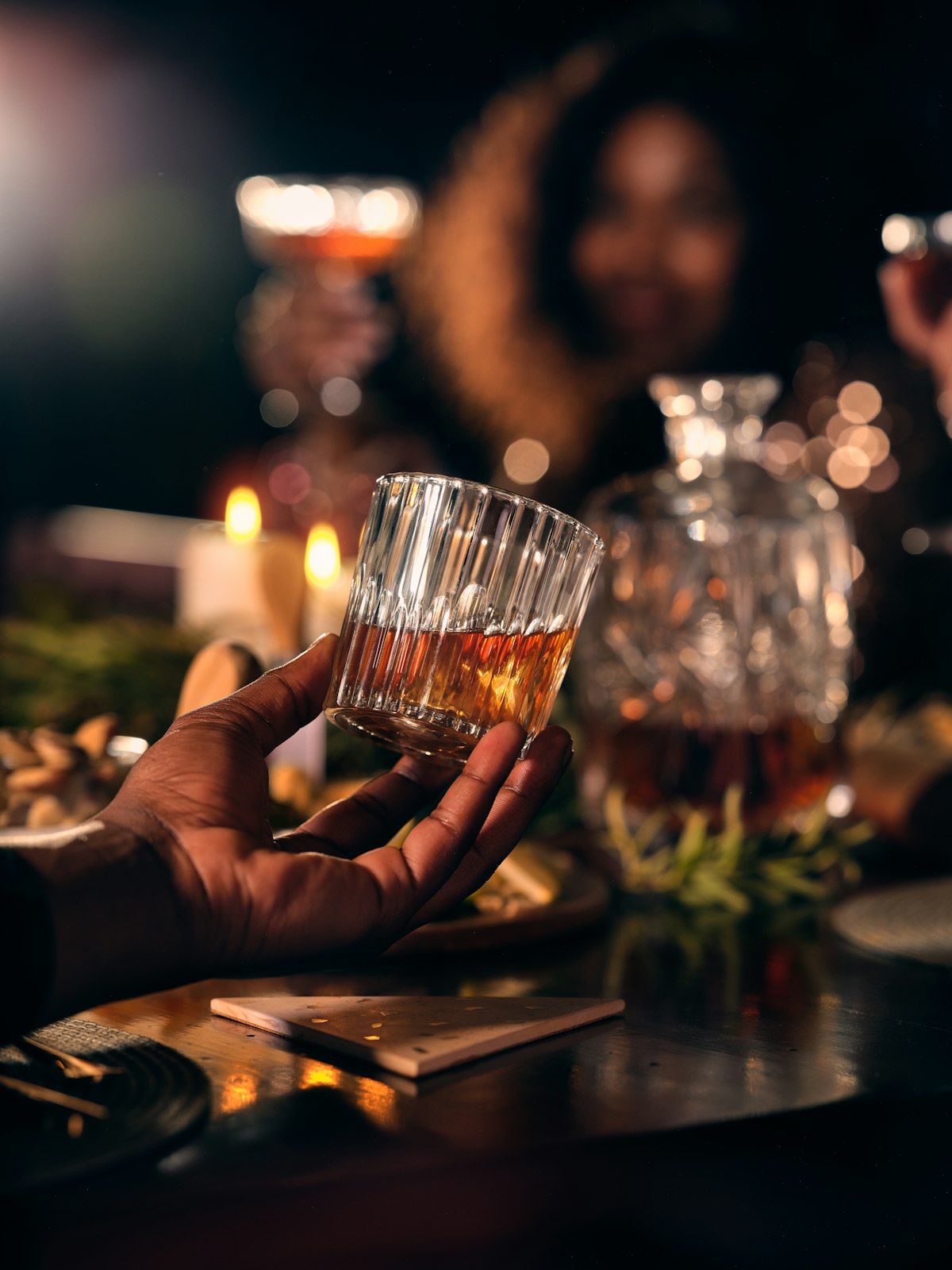
The first thing to say about non-alcoholic beers is that they’re not a sleep product, and the reviews that pretend otherwise are selling you a ritual in a lab coat. What the best non-alcoholic beers do is narrower and more honest: they occupy the slot, keep the ceremony, and remove the clearance curve that was waking you at 2:40. I went through a case’s worth of them during my own dry-evening stretch, and the fuller context for why that matters is in the alcohol and sleep guide.
Key takeaways
- Non-alcoholic beers fix the chemistry, not the hour; the ritual is the product.
- US labeling allows up to 0.5% ABV under “non-alcoholic”; verified 0.0% exists if you need it.
- Darker, maltier styles carry the evening better than light lagers.
- No clearance curve means no 2 a.m. handoff and no REM rebound.
- Fluid volume is the one sleep variable left, so one can beats three.
What the can is actually for
Before any specific can earns a sentence, the mechanism deserves one. The evening drink was doing two jobs, chemistry and ceremony, and only one was the problem. A non-alcoholic beer keeps the ceremony: the cold can, the back steps, the shape of an ending. It fires the chemistry entirely, because there’s no ethanol for the liver to clear, which means no sedative handoff, no 2 a.m. wakeup, no REM suppression quietly billing you at the darkest hour.
That’s the honest frame for every review below. None of these cans will sedate you, and any marketing that hints otherwise is lying the way supplement ads lie. What they do is let you keep the border without the loan, which is exactly what the drink that stands in is about, with the tea version.
The label, read once and properly
Two things on the can matter, and only one of them is printed prominently. First, ABV. In the US, beers labeled non-alcoholic can legally contain up to 0.5% alcohol by volume, which is trace-level, comparable to ripe fruit or some fruit juices, and metabolically irrelevant for most people. If you’re pregnant, in recovery, avoiding alcohol for medical reasons, or just want the number to be zero, look for the verified 0.0% mark rather than the phrase “non-alcoholic.”
Second, style, because this decides whether the ritual survives contact with your actual taste. A can you drink out of obligation lasts a week. The whole point is that the slot gets occupied by something you’d keep on a good Tuesday.
The styles, honestly ranked
Darker and maltier styles carry the evening best, and I’ll defend that ordering. A good alcohol-free stout or porter has the roasted, coffee-adjacent weight that reads as a finish rather than a beverage, which is what the evening slot wants. Amber ales sit in the same register, a little lighter. These are the cans that make the ritual feel kept rather than mimicked.
Hoppy styles split the vote. An alcohol-free IPA delivers the bitterness and citrus that IPA drinkers actually want, and if that’s your taste, it’s a legitimate evening can. The limit is that aggressive hops late at night can read as sharp rather than winding-down, which is a texture complaint, not a sleep one.
Light lagers are the hardest style to do well without alcohol, because a lager without ethanol is mostly carbonation and good intentions. They work as a social prop, the can that matches everyone else’s at a barbecue, and as a mid-week placeholder. I wouldn’t build a wind-down ritual on one, and after a week of trying I stopped pretending otherwise.
One practical note on availability, because ritual survives on logistics better than on enthusiasm. The 0.0% options from the big brewers are everywhere, which makes them reliable defaults for the fridge even if they sit closer to the lager end of the spectrum. The craft alcohol-free stouts and IPAs are the more interesting cans and the more annoying errand, usually a specialty shop or a case order online. My own compromise was unglamorous: a standing fridge stock of the reliable default, with the interesting ones bought as singles when I found them. A ritual you can’t restock is a ritual you’ll skip on the tired weeks, and the tired weeks are the entire point.
The one sleep variable the can can’t fix
Now the limit, because a product post without one is an ad. Removing the ethanol removes the clearance curve, the handoff, and the REM bill, which is most of the sleep damage. What remains is fluid volume: a can of anything at ten means your kidneys clock in around two, and bathroom trips are their own wakeup architecture. One can, earlier, is the version that protects the night. Three cans of anything before bed is a hydration problem wearing a beer costume.
The other honest note: if the alcoholic version of your habit was doing coping work rather than ritual work, no can fixes that, and if it’s how you cope is the more useful read than this one. The swap works when the slot needed a border. It doesn’t work when the evening needed a lifeline.
Frequently asked questions
Do non-alcoholic beers help you sleep?
Not as a sedative, and they don’t need to. What they do is remove the ethanol, which removes the sedative handoff, the 2 a.m. wakeup, and the REM suppression that was fragmenting your second half. The ritual gets kept and the chemistry gets fired, which is the combination that actually improved the book author’s nights.
How much alcohol is actually in a non-alcoholic beer?
Up to 0.5% ABV is permitted in the US under the non-alcoholic label, a trace amount comparable to ripe bananas or fruit juice. Verified 0.0% options exist and print the number on the can. If you avoid alcohol entirely for pregnancy, recovery, or medical reasons, the 0.0% mark is the one to look for.
Which styles work best in the evening?
Darker and maltier: stouts, porters, amber ales. Their roasted weight reads as a finish rather than a beverage, which suits the border-keeping job. Hoppy IPAs are legitimate if bitterness is your taste. Light lagers work as social props but rarely carry a wind-down ritual on their own.
Will a non-alcoholic beer wake me up at night?
Not the way the alcoholic version does: no clearance curve, no stimulant-shaped handoff, no REM rebound. The remaining variable is fluid volume, so one can earlier in the evening beats three close to bed if nighttime bathroom trips are already part of your story.
What should I look for on the label?
ABV first, 0.5% or under, with a verified 0.0% if you want it truly zero. Then style, because the can is doing a ritual job and you’ll only keep a ritual you actually enjoy. Calories and ingredient lists are a matter of preference; nothing on the label makes the can a sleep aid, and it doesn’t need to be.
The trade the can replaces, loan and rate and all, is one chapter of Sleep, Finally. Keep the border, skip the chemistry, and see who stops showing up at 2:40.
This guide is educational, not medical advice. If drinking feels like a mechanism you need rather than a habit you enjoy, a doctor is the right door, without any shame attached.