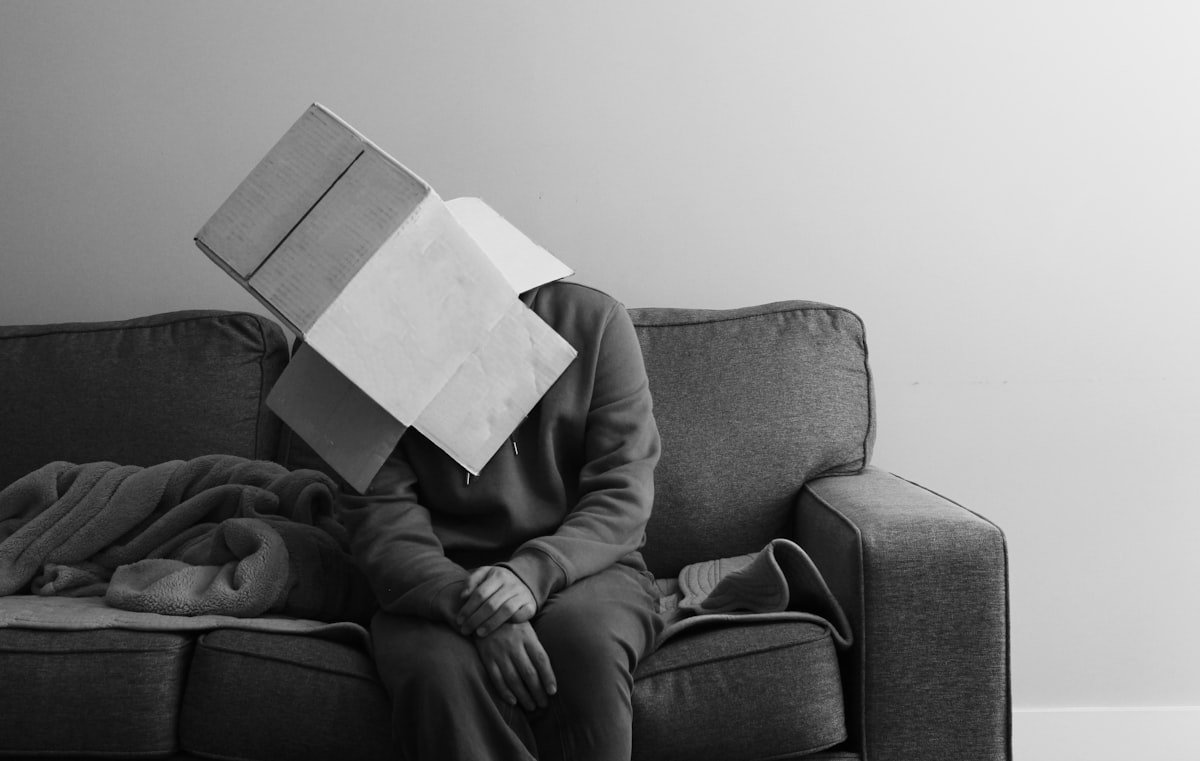
Stress & Cortisol
7 Signs Stress Is the Real Reason You Can't Sleep
By Nora Vale · December 31, 2025 · 8 min read

Hannah’s sleep trouble starts every weekday at three fifteen, in the pickup line outside an elementary school. A mother she knows the way school parents know each other leaned toward her car window and said something clipped about the carpool roster, a remark that would fit inside a text message with room left over, and Hannah drove home with her hands too high on the wheel. Nothing you’d call an event. By midnight she was flat on her back with her eyes wide and her heart tapping out something urgent, and she had no idea what her body thought was happening.
Nothing looked wrong. That’s the trick of this particular thief, and it’s why I keep a checklist of the signs at all: stress wears the best disguise of the bunch, because “stress doesn’t look like a problem. It looks like your life.” The carpool, the dishes, the ordinary Tuesday. None of it files itself under insomnia until midnight files the complaint.
The full method for this lives in the stress and sleep guide. This page is the diagnostic half: how to tell whether stress is the actual suspect in your nights, using evidence you’ve been collecting for years without knowing it.
Key takeaways
- Stress is the most commonly reported cause of short-term sleep trouble: about four in ten adults say it kept them awake in the past month, per American Psychological Association surveys.
- The signs live in your day, not your night: the jaw, the shoulders, the four o’clock sigh, the snap at a slow grocery line.
- Tired but wired is a chemistry report. Worry blocks your perception of sleep pressure, so the fuel gauge is what’s wrong.
- The fix isn’t a calmer life, it’s a scheduled one: a worry window, a downshift hour, a defended wake time.
- If wrecked nights run three or more a week for three months, that’s a doctor conversation, and it’s the least lonely appointment in the book.
Sign one: exhausted all day, wide awake at eleven
The state has a name already, tired but wired, and the night version runs like this: you’ve been dragging since two in the afternoon, you could have slept upright in a chair at eight, and then your head touches the pillow and an engine you’ve never once seen the inside of turns over and settles into a smooth, furious idle. You feel lied to.
The mechanism is kinder than it feels. All day your body banks sleep pressure, the drowsy cargo that genuinely exists and could be measured in a lab. Worry does one specific thing to the gauges: alertness triggered by worry blocks your perception of that pressure, so the sleepiness sits in the system while the readout insists otherwise. You’re not imagining it. You’re not faking the tired either. “The fuel gauge is what’s wrong, and the fuel gauge is worry.”
So postpone the verdict. Tired but wired isn’t a character flaw or a weak mind, it’s an arousal system doing what arousal systems do, which is answer perceived threats without pausing to grade them first. Hannah’s body at midnight was still faithfully answering a parking lot remark from nine hours earlier. Nobody chooses that.
Signs two and three: the jaw and the four o’clock sigh
You can spot the idle in odd places. It’s the jaw that aches by Wednesday from clenching. The shoulders that live near your ears. The sigh that arrives around four o’clock like a bus. It’s the way you snap at a slow grocery line on an ordinary afternoon and then apologize to a stranger who didn’t deserve it.
None of these is a diagnosis. They’re readouts, and readouts are useful, because the thing driving your nights runs in plain sight all day. You don’t need a lab to notice a clenched jaw. You’ve had the equipment for years, and this is the cheapest sleep test available: spend one ordinary day actually noticing your body instead of your calendar, and count the readouts.
Sign four: the same thoughts, nightly, on schedule
A related tell is repetition with a plot. The midnight mind doesn’t wander, it rehearses. The carpool roster, the dentist quote, the thing you said in the meeting, arriving in the same order like acts of a play nobody wrote. Sleep researchers have a name for the state underneath most stubborn insomnia, hyperarousal, and the picture is a smoke alarm that never resets: a low chirp all day and all night for months, in a house where nothing is burning.
The cruel part is that idling high doesn’t feel like stress from the inside. It feels like personality. I spent years certain I was simply a night person with an anxious streak and a talent for rumination, when in fact my body had been marinating in alertness since every morning commute and had never once been shown the exit. My bedroom got blamed for all of it, because the bedroom was where I noticed it. The trouble lived in my days.
What actually helps, once the signs point at stress
You can’t delete stress, and anyone selling you a stress-free life is selling you a smaller life and calling it freedom. What you can do is give it boundaries, and the book hands you two moves.
The first is the worry window. Paper, two columns, the worry on the left and the next concrete step on the right, or the honest phrase nothing tonight. Run it as a standing appointment, the same fifteen to twenty minutes at the same time every evening, two to three hours before bed. Regularity is the dose. A brain that interrupts your evening with worry is a colleague who doesn’t trust that the meeting will actually happen, and it stops walking in once the meeting becomes reliable. Clinicians who use scheduled worry time within CBT-I report the interruptions thin out within a couple of weeks. Hannah’s midnight brain stopped litigating the carpool case once the file had a stamp on it. That took about two weeks, not two nights.
The second is the downshift, between three and ten. The stress system needs evidence that the day’s emergencies have ended, and it doesn’t accept announcements, only dull, physical, low-stakes tasks with an obvious ending: a walk around the block, a shower, folding laundry with the radio on. Effort ruins this, so pick downshifts too dull to fail at. If the walk becomes a fitness project with a target heart rate, you’ve accidentally gone back to work. The fuller playbook for the evening half is in how to decompress after work, and the chemistry behind the plateau in cortisol and sleep explained.
And on the hard days, watch the coffee. Caffeine and cortisol push in the same direction, and hard days also run the loop backwards: a short night leaves extra drowsy cargo, the cargo demands coffee, the coffee lingers, and by eleven you’re tired but wired again. The cutoff matters most on the worst days of the worst weeks. Keep it anyway.
The honest limit, and the line where the checklist ends
Some weeks are genuinely bad: a diagnosis in the family, a job ending, a marriage ending, a move with boxes to the ceiling. On those weeks, “sleep hygiene is a bucket in a rainstorm.” The wind-down runs, the page gets written, the walk happens, and the night is wrecked anyway. I’ve carried the bucket. It gets you wet and it feels like failing. The fix on those weeks isn’t a better bucket, it’s lowering the bar to one anchor and keeping that one perfectly: the same wake time seven days running, everything else graded pass-fail where everything passes.
And the border, said with respect: if the wrecked nights run three or more a week for three months straight, that’s past what habits and buckets describe, and there are treatments that outperform everything in this book combined. Making that appointment is a sleep skill like any other. It’s also the least lonely one. The stress-insomnia version of that conversation starts in stress insomnia help.
Here’s the sentence the whole checklist walks toward: the goal isn’t a calm life, it’s a scheduled one. I spent years waiting for my life to calm down enough for sleep to return, as if calm were a season on its way. It never arrived. What arrived instead was a shape, and the life stayed exactly as stressful. The nights stopped joining in.
Frequently asked questions
How do I know if stress is causing my sleep problems?
Watch the day, not the night. Stress wears the best disguise of all the sleep thieves because it doesn’t look like a problem, it looks like your life: the carpool, the dishes, the ordinary Tuesday. If your jaw aches by Wednesday, your shoulders live near your ears, and you snap at slow grocery lines, the thing driving your nights is running in plain sight all day.
Why do I feel exhausted all day but wide awake at bedtime?
That state is called tired but wired, and it’s a chemistry report, not a character flaw. Worry blocks your perception of sleep pressure, so the sleepiness sits in the system while the readout insists otherwise. The fuel gauge is what’s wrong, and the fuel gauge is worry.
What actually helps stress-related insomnia?
Two moves: a scheduled worry window fifteen to twenty minutes at the same time every evening, and downshift tasks between three and ten, dull physical things with an obvious ending. The goal isn’t a calm life, it’s a scheduled one. The life stayed exactly as stressful. The nights stopped joining in.
When should I see a doctor about it?
If the wrecked nights run three or more a week for three months straight, that’s past what habits describe, and there are treatments that outperform everything in the book combined. Making that appointment is a sleep skill like any other. It’s also the least lonely one.
If tonight allows only one move, draw two columns on a piece of paper and put it on the counter for tomorrow’s window. The full worry-window system, plus the downshift menu, is in Sleep, Finally.
This guide is educational, not medical advice. If sleep problems persist for months or wreck your days, see a doctor.